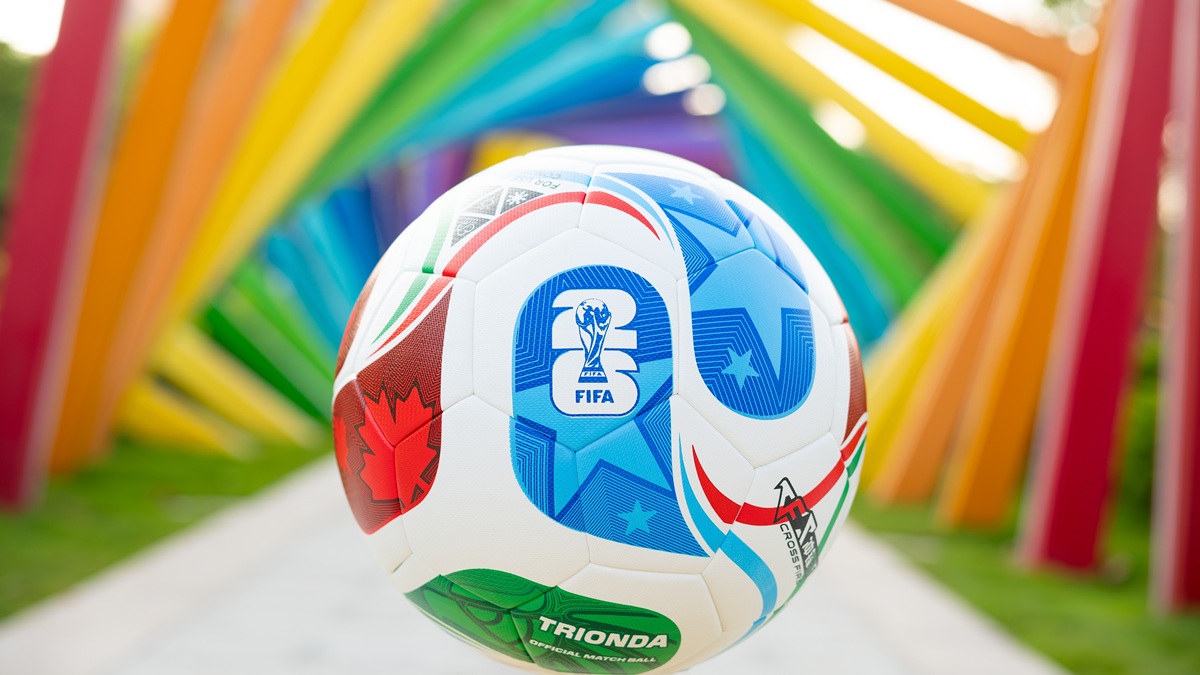

With Paysafe research indicating that the football tournament will galvanise betting, Esteban Sarubbi, head of the company’s Latin American business, argues that operators should optimise their cashiers to maximise revenue.
Peru recently celebrated the second anniversary of its regulated sports betting market’s launch. Since going live in February 2024, the market has enjoyed significant growth, with an estimated total turnover of $2.5bn last year, though 2026 will almost certainly be gaming-changing, with this summer’s World Cup in Mexico, the US and Canada.
Paysafe’s research suggests that online sports betting will surge in Peru when the football tournament returns to the Americas for the first time since Brazil hosted in 2014. And this will also be the first World Cup since Brazil launched its own regulated betting market last year.
With host nation Mexico and markets like Ecuador also expected to see unprecedented wagering, the pressure is on online sportsbook operators to maximise revenue – and here, payments will be crucial.
Latin American fans’ strong appetite for betting
Arguably, Latin America has the most passionate football culture on earth. With betting now legal in Peru and Brazil, and the World Cup being co-hosted by Mexico, it’s no surprise that wagering will likely reach unprecedented heights when it kicks off on 11 June.
Paysafe’s recent research suggests global appetite for betting will be strongest in Latin America, with Peruvians the most bullish of all. Well over eight out of 10 (85%) of World Cup fans in the Andean country plan to place a bet. Even more tellingly, close to a fifth of fans (18%) will be betting for the first time ever.
There’ll be even more first-time bettors in Ecuador, where 83% of those following the World Cup expect to wager, with 31% newbies. Appetite is only slightly lower in Latin America’s newest and largest market, with two thirds of Brazilian fans (66%) intending to bet, with 20% placing an online wager for the first time ever.
Given how young Brazil’s and Peru’s markets are, the betting surge is unsurprising. Yet even in Mexico – whose online market’s roots date back to 2004 – the World Cup looks set to mine untapped demand. Over two thirds of Mexican fans (68%) expect to bet but, even more importantly, 26% will be newbies looking for their first online sportsbook.
Payments’ value for converting new and existing bettors
With the World Cup revenue opportunity undeniable, it’s essential that operators give themselves a competitive edge when converting new players with no loyalty to a particular brand as well as existing bettors, who can be fickle and open to switching to a competitor. Here, payments play arguably the most important role of all, with fans truly prioritising the transactional experience when choosing online sportsbooks.
Above all, operators need to ensure their cashier’s payment methods support seamless payouts. In Peru, fans prioritise cashing-out quickly – prioritised by 38% – above all else when selecting which brand they’ll wager with, including brand reputation (34%) and good odds (25%).
While brand trust may be bettors’ top priority in Brazil (prioritised by 42%), payouts are a close second when it comes to evaluating sportsbooks (34%).
And frictionless deposits are almost as important. In Mexico, for example, a sportsbook with payment methods that fund wagers effortlessly trumps everything else except brand reputation – prioritised by 33% compared to 47%.
Meeting payment preferences is also essential when converting players. Peruvians appear especially loyal to their favorite payment method, with 27% saying this factors-in to their choice. And in both Brazil and Ecuador, 22% prioritise brands that support their go-to option at the cashier.
Payment preferences: going local matters
If Latin Americans prioritise their favorite payment methods, how specifically do they prefer to pay? Preferences vary across different countries and are diverse within a particular market. In short, localisation is key.
Brazil is the ‘poster child’ of local payment methods, with the Central Bank of Brazil’s highly popular instant-payment platform Pix, dominating preferences. Only launched in 2020, Pix has grown to become the go-to online payment method, so it’s no surprise to see that it will be the top preference for World Cup betting (48%).
That said, a significant cohort of Brazilians want to wager directly with their cards, with credit cards slightly more of a preference than debit (30% favoring the former versus 27% the latter). And beyond Pix and cards, operators’ cashiers also need to include digital wallets, a preference for 22%.
Wallets are even more popular in Peru, where solutions like the country’s homegrown PagoEfectivo wallet are the favourite choice of all, and a preference for 36%. But cards, particularly debit cards – which 33% want to use to wager online this summer – are almost as popular.
When evaluating payment preferences, it’s not just a popularity contest. Niche payment options shouldn’t be neglected at the cashier at the risk of failing to convert significant cohorts of players. This includes online cash options like PagoEfectivo and PaysafeCard, as cash remains relatively popular. The 13% of Brazilians who want to wager with eCash shouldn’t be ignored by operators, but these solutions are especially crucial in PagoEfectivo’s home country of Peru (29%) and in neighboring Ecuador (27%).
Countdown to kick-off
From integrating eCash solutions, digital wallets and local payment methods like Brazil’s Pix, while evaluating depositing and cashing-out speeds, the task ahead for Latin American operators can appear daunting.
The good news is that they have several months to optimise and localise their sportsbooks’ cashiers, and those that accomplish this before the tournament’s kick-off will position their brands for success well beyond the Final whistle.