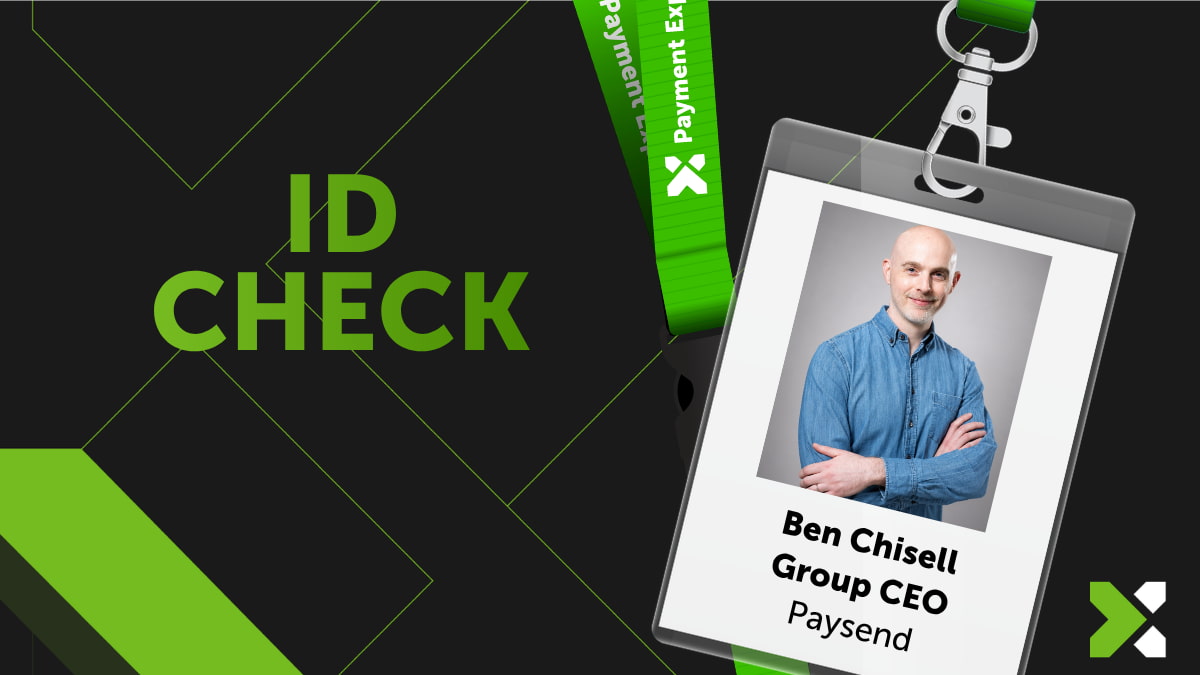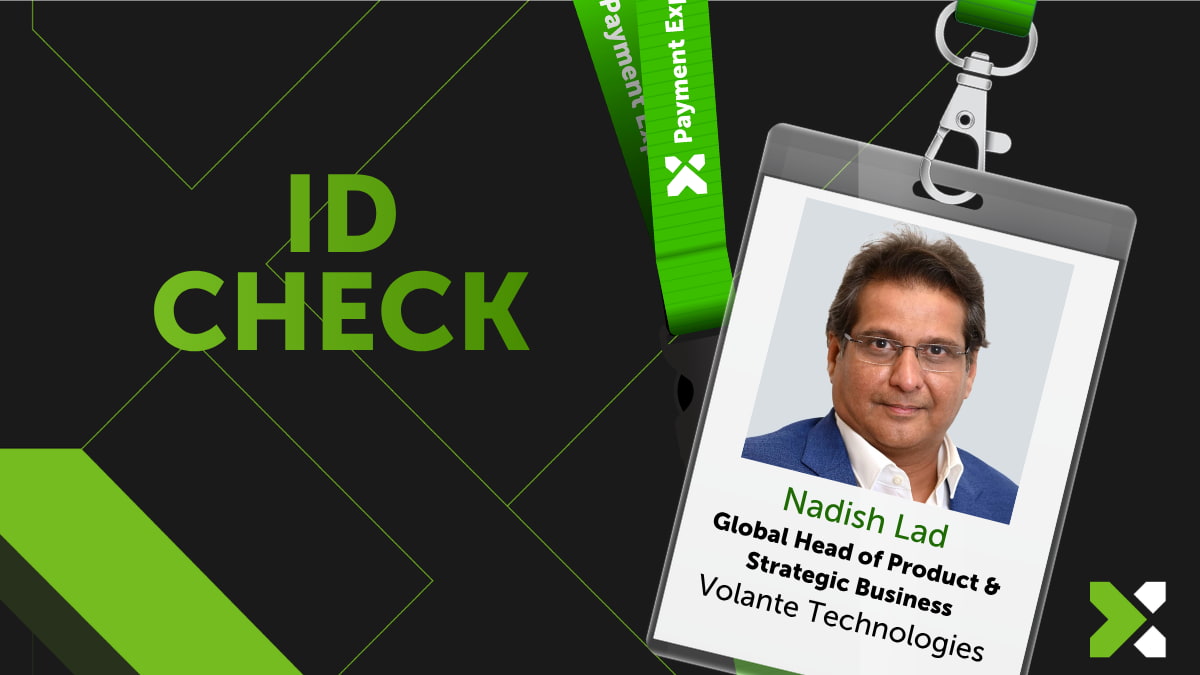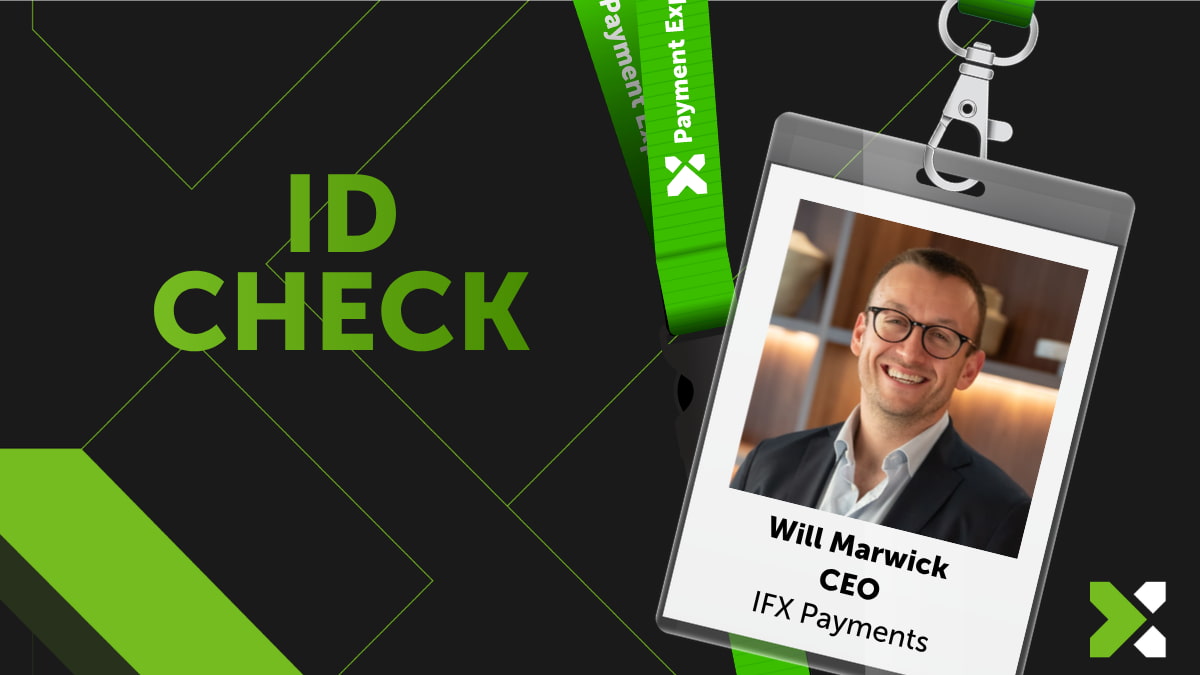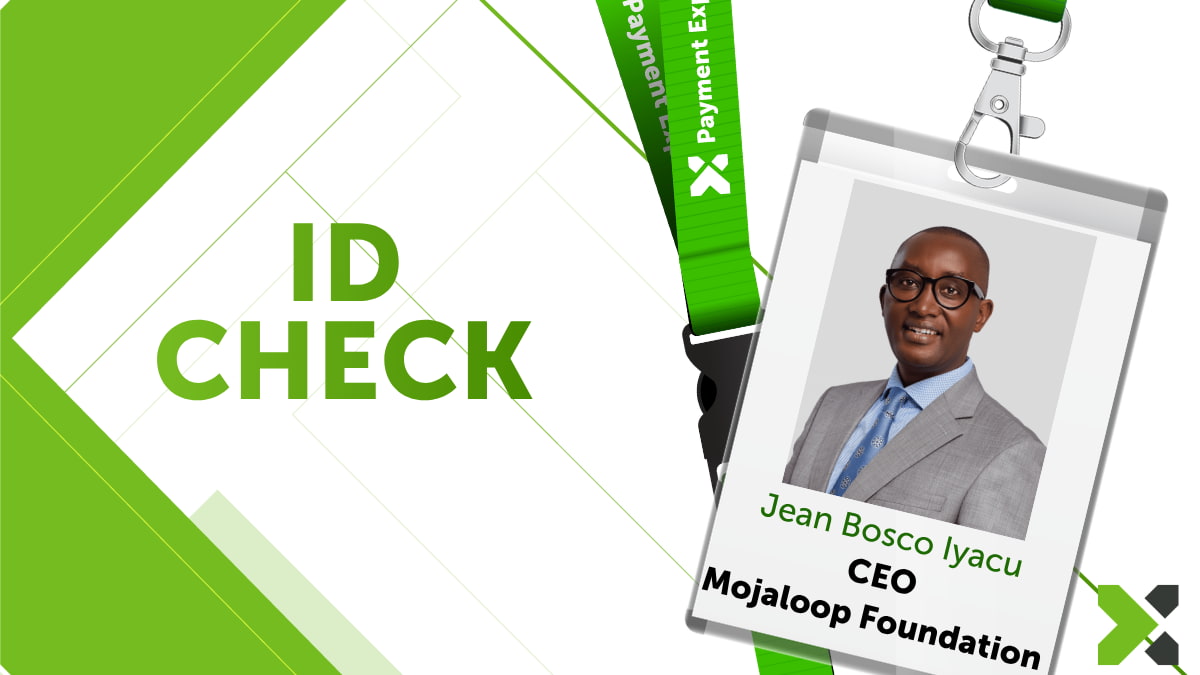
Payment Expert’s ID Check: Payments Professionals offers insight from industry leaders and experts on how they got their start in the financial industry, from their early years in education, to how they have been able to climb the corporate ladder.
This week, Joe Wilson, Chief Evangelist at bunq, shares his unconventional journey to Europe’s second-largest neobank; from a home repair company, to sitting in boardrooms delivering strategic product growth.

Where did you go to university and what did you study? What impact did this have on your current journey?
I grew up in Mississippi and Tennessee in the US. We moved around a lot, and I was in a family that didn’t have too much. I was one of the first kids in our family’s history to go to university, and I had to pay for it myself if I wanted to. I went to University of Memphis and graduated with a BA in English – creative writing.
I know….not a typical path.
However, I found creativity is at the heart of most entrepreneurs, we get there through different paths. During that time I started my first company and became technical by trade, not by academics.
That first company had a huge impact on my journey; it was probably the most important one. It broke the ceiling of belief for what I could do.
What first drew you to the payments industry and why have you stayed?
I’d describe myself as a reluctant fintech person. I was much more drawn to the tech than the fin. bunq was introduced to me because of my relationship with bunq’s founder, Ali (Niknam), that developed in the Netherlands.
For me, money is one of the most intimate relationships you can have with a user and trust is at the center of that. Money needs us to do the right things and work in unison with the user which I really like.
Are there any lessons from your first role in the industry which you still draw on?
I am a learner. I’m constantly starting over and starting something new, so I get lessons all the time. If you are willing to try something you are absolutely rubbish at, you will learn far more than if you just keep going back to your core strengths.
I had a number of early roles, owned companies, had exits, closed companies, etc. The key lesson remains perspective. Keep what you are doing in perspective. The industry you are in is usually not saving babies in an emergency room, but it is important. Weigh it appropriately and operate in balance.
The best athletes perform in a calm state, not one that’s filled with angst and worry. I find hot heads make bad decisions, and they also don’t dream big enough.
When was your first big break in the industry? Why was this such a significant moment for you?
I go back to the first company I started (“FIXIT”) and the impact it’s had on my thinking. I grew up with modest means and the idea was to work in a factory or with your hands; all very respectable jobs.
However, with that company I learned I was good at systems, generating jobs and better at that than the actual handyman work. It also had scale if I could farm out the jobs. So understanding what role I could play in the system to give it real juice remains significant today.
Was there a moment you faced in the industry which really challenged you? How did you overcome this?
Within the fintech industry it was probably filing the first US license application as bunq’s COO. I came to understand how such a meticulous process could also be deeply impactful if done well. It also taught me even more about regulatory workings than I had learned in the Netherlands when on bunq’s board.
While we ended up pulling the application to work on it behind-the-scenes before re-applying this January, the lesson was so important. We were setting up to do it again, with greater depth and more experience. I’m generally impatient so it’s “go go go”, but this was a chess move I had to learn to make.
Not a challenge, but one that I’m quite proud of was managing bunq’s interest rate decisions in 2022 and 2023. As a company we want to pass on all good things in the market to our users, so it was really rewarding to see more and more people recognise that and join us.
No other company was doing it that way, but we stayed determined to ride that wave and stay ahead of it; keeping the users as the core priority. It was always about them, not about us, and remains so today.
What are some of the skills you deem essential to starting in your industry and how have yours developed over the years?
Focus – most people waste so much time. They think log lists and strict calendars solve problems. Mostly they do busy work. The truth is, if you can do one or two impactful things in a week, you are outpacing everyone. Most people don’t give that unless it’s a crisis. I learned how. I also learned how to decide what impact really entailed. What you choose not to do is often the reason you can achieve anything.
Who was your biggest role model – inside or outside of your industry – who continues to inspire you in your current career?
Too many to mention. I’m a learner and everyone has something to teach – you just have to pay attention. I’ve learned more from people with less experience than me than those with more. If you stop and watch those who have sorted out how to do things better (and as long as ego doesn’t get in the way), you can build from that.
If you didn’t work in the industry, what other career option would you have pursued or would have loved to?
Today I still pursue multiple paths. bunq, investor, non-profits, etc. I love to write, among other things. If I had not gone into tech and then fintech I might teach at university or just keep working with startups. There are so many good ideas that need to be operationalised.
That’s where they fail.
Lastly, what is some advice you would give to an aspiring person looking to get a start in your respective industry?
Be technical. I picked up more working like a tradesman than a student. I didn’t fall in love with coding when I was 12 like some people, and didn’t have access to equipment to learn on. I had to basically talk my way into the industry later after being in service businesses.
Today, whatever you need or want to learn is online, and technical acumen is a strategic advantage. Learn to code, understand engineering principles as a minimum, learn to architect systems; in short: understand ‘HOW’ your products and business actually work. Don’t be satisfied with the concept, dig into the building blocks. That knowledge and discipline is a superpower.
If it’s not for you that’s fine, but without an engineering mindset, someone with more technical skills who’s competing against you will likely have the edge, so you should invest at some level.
Nothing from here on out is not technical. Nothing.