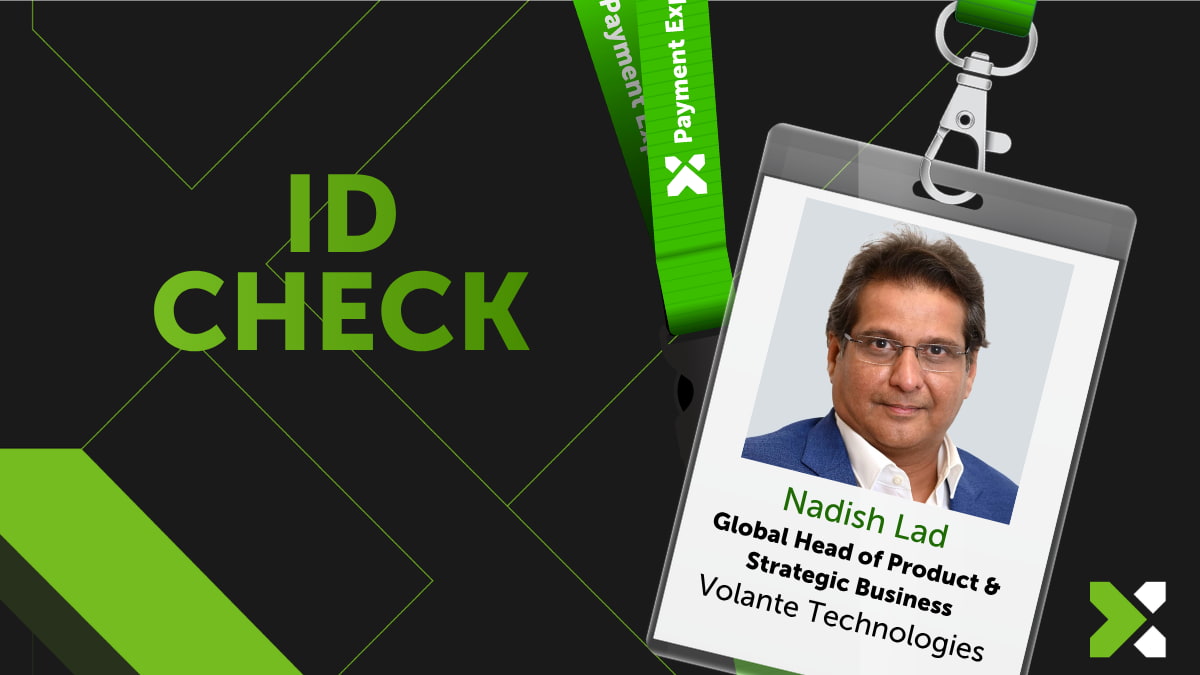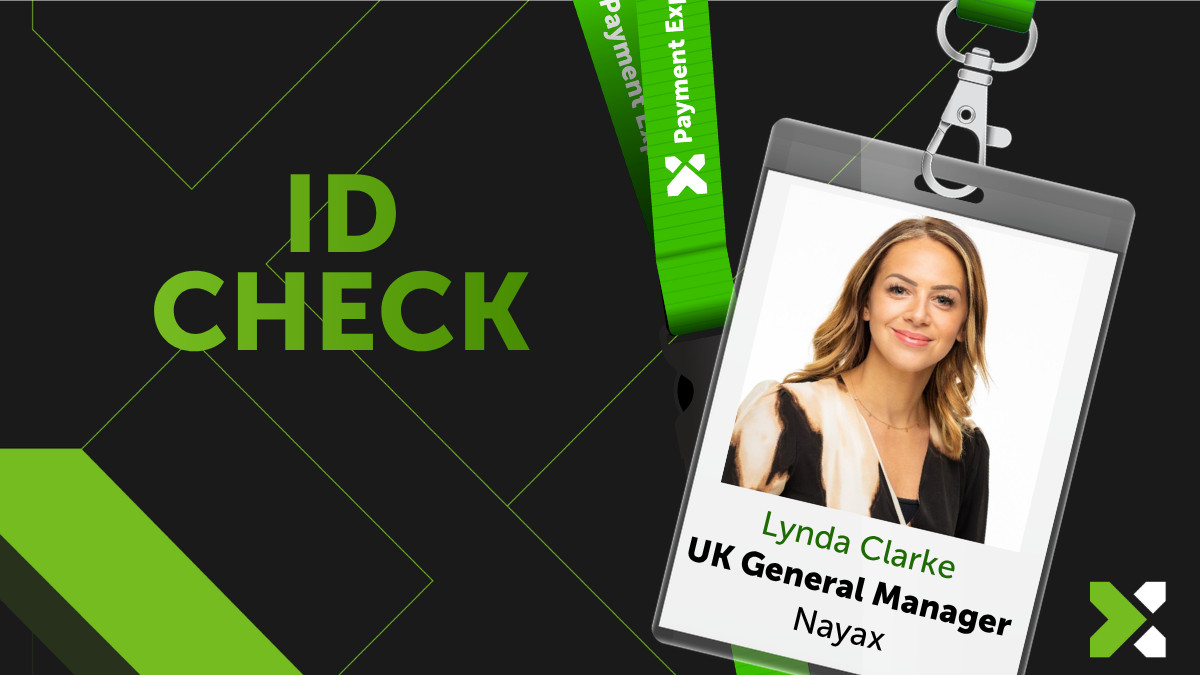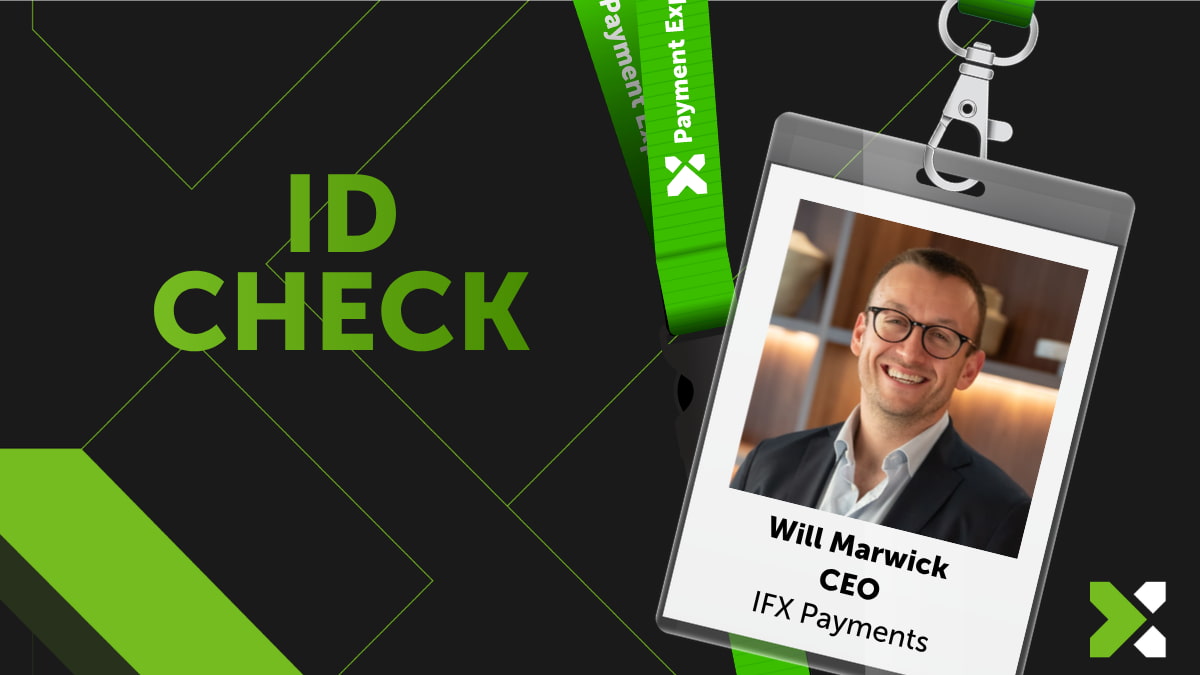
Payment Expert’s ID Check: Payments Professionals offers insight from industry leaders and experts on how they got their start in the financial industry, from their early years in education, to how they have been able to climb the corporate ladder.
This week, Dave Scola, US CEO at Form3, speaks on how he observed the banking to fintech shift in real-time, revealing the hardships of rebuilding the financial sector post-9/11, and why it is important to understand the wider context of what it is that you do.
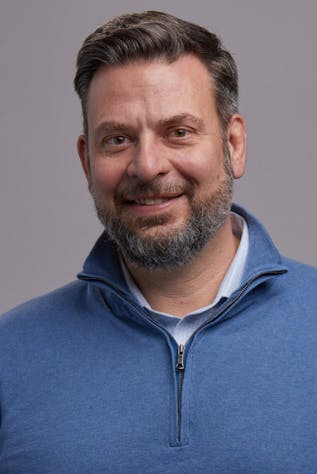
Where did you go to university and what did you study? What impact did this have on your current journey?
I did my undergrad degree in International Relations at Georgetown University, before going on to do a master’s degree in development studies at the School of Oriental and African Studies (SOAS) in London.
At that point in my life, I was super focused on international relations and macroeconomics, and while I can’t say I use a lot from my studies in my day-to-day work, the macro insight is still helpful. However, what I did learn from my university days is how much I enjoy working with different people from around the world – something I have been fortunate enough to do throughout my career.
What first drew you to the payments industry, and why have you stayed?
I began my career in banking within the securities services sector, working in custody and eventually in corporate trust services. These areas were certainly fascinating, especially during the MBS crisis in 2008.
In 2011, I shifted to managing the Financial Institutions business at a large bank, which marked my first substantial experience with the payments industry. This was a time when fintechs were really starting to gather momentum. As a banker, I was envious of the innovation happening outside of traditional banks and started to consider pivoting more towards the tech side of the industry. I subsequently moved to a major central infrastructure provider and then later to Form3.
I’ve stayed in payments because they continue to be one of the most exciting fields for financial innovation. The US is a perfect example of this. The majority of the US market still relies heavily on batch systems like ACH and cheques, but is quickly embracing real-time payments due to growing demand. The challenge, therefore, is for banks and fintechs to ensure that they have the architecture in place to support the scalability of instant payments.
Are there any lessons from your first role in the industry which you still draw on?
Working in the securities side of the business, you quickly learn to follow the money and understand what the underlying rationale is for every transaction. In the securities world, this is helpful when you are trying to understand very opaque debt structures, but it is also relevant in the payments sphere, as when you are getting to grips with underlying customer motivations and drivers for various payment use cases.
When was your first big break in the industry? Why was this such a significant moment for you?
Early in my career, when I was working as an account manager in the Custody business at Deutsche Bank, I was given quite a bit of latitude to try out new ways of doing things and to develop new operational processes using technology that was rudimentary even back then.
This then allowed me to take on the management of a small operations team in my early twenties and then progress to a product manager role shortly after. I was lucky, both because the managers of that business were open to doing things differently and trusting a young person with more responsibility.
Was there a moment you faced in the industry which really challenged you? How did you overcome this?
Honestly, I feel challenged every day, which is one of the things I love about my job! There have certainly been moments of “unwelcome” challenge, and quite a few given how long I have been in the industry at this point.
I was working in the financial district in New York in 2001, and the fallout and rebuilding post-9/11 were emotionally and professionally challenging. Other challenges included the MBS crisis and the Lehman bankruptcy.
One standout challenge was the de-risking that occurred in the correspondent banking business during the 2010s, when KYC/AML and sanctions requirements led to the effective loss of financial connectivity for multiple geographies. It was hard not to recognise the very real implications of the industry’s actions on people’s lives who were no longer able to rely on the traditional banking system to move money. I firmly believe that this led to the rise of crypto and other alternative payment methods, but that’s a topic for another day.
At Form3, we are all about solving challenges to make the sector more resilient by design. Payments and the constant movement of money is integral to people’s lives, and these processes can’t afford to fail. Because of this, regulators and banks are increasingly concerned about single-vendor or single-cloud dependency that could give rise to weaknesses in the payment’s ecosystem.
What are some of the skills you deem essential to starting in your industry, and how have yours developed over the years?
If I had to narrow it down, I would say having the willingness to go into detail when needed, the ability to collaborate with others, and most importantly, being intellectually curious.
The difference between doing a job and having a career often comes down to your ability and desire to look beyond the immediate task and understand how it fits into the broader context. Doing so sets up the opportunity to move beyond what you’re doing today to expand your options for what you can do in the future.
Who was your biggest role model – inside or outside of your industry – who continues to inspire you in your current career?
I don’t know if I can point to any one person. I’m fortunate to work with some people I would consider role models today.
I’ve had the good fortune to observe and work with some people who have shown me what not to do as well. I don’t think I’ve ever sought to emulate any one person, but there are plenty of people I have learned from along the way.
If you didn’t work in the industry, what other career option would you have pursued or would have loved to?
While I love what I do, I do regret the fact that there is no tangible, physical output. I’ve done some carpentry in my spare time, and sometimes I fantasise about doing that if I ever retire. We’ll see. Right now, I’m enjoying this too much.
Lastly, what is some advice you would give to an aspiring person looking to get a start in your respective industry?
Not to harp on the intellectual curiosity thing too much, but I would really encourage people new to the industry to ask as many questions as possible. People who have been around for a while love talking about their experience and giving advice.
Be curious and always try to retain that beginner’s mindset. It will allow you to continue to look at things in new ways. Don’t be afraid to speak up; you may have more to contribute than you think. And if you get a ‘no’, don’t take it personally. Instead, move on, or look at the problem from a different angle.
Lastly, your career is important, but ultimately, it’s just business. Once you realise that, it’s a lot more fun.