Nigel Farage’s Bitcoin purchase shows how crypto’s recent alignment trend is raising questions about its neutrality and mainstream appeal.

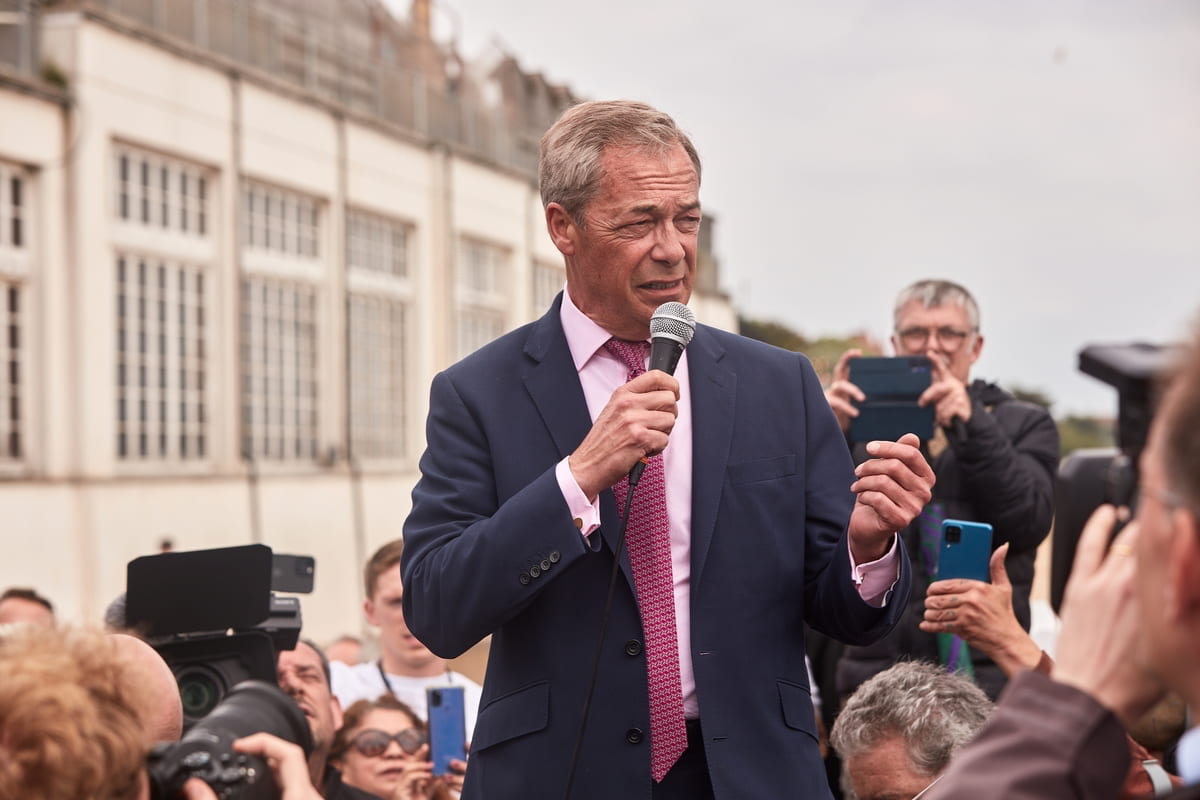
Nigel Farage, leader of Reform UK and an aspiring prime minister, purchased £2m ($2.72m) worth of Bitcoin earlier this week.
While supporters will describe the move as a milestone for mainstream adoption, there is a more uncomfortable interpretation that the payments industry should not ignore. Crypto may not be widening its appeal but instead narrowing it.
The narrative around crypto has always been about democratisation, open access, borderless transactions, and a financial system free from control of traditional institutions. However, in recent years the sector appears to have clustered around a specific set of political, economic and social affiliations.
The association with low-regulation, free-market politics is not new. What is changing is how open and pronounced that affiliation has become.
Farage’s investment sits alongside political promises to liberalise crypto markets, significant backing from wealthy crypto investors, and the growing influence of high-net-worth individuals guiding the direction of the sector.
The involvement of figures such as former UK Chancellor of the Exchequer Kwasi Kwarteng in crypto-linked ventures adds to the sense that this is an ecosystem increasingly defined by a particular network of influence.
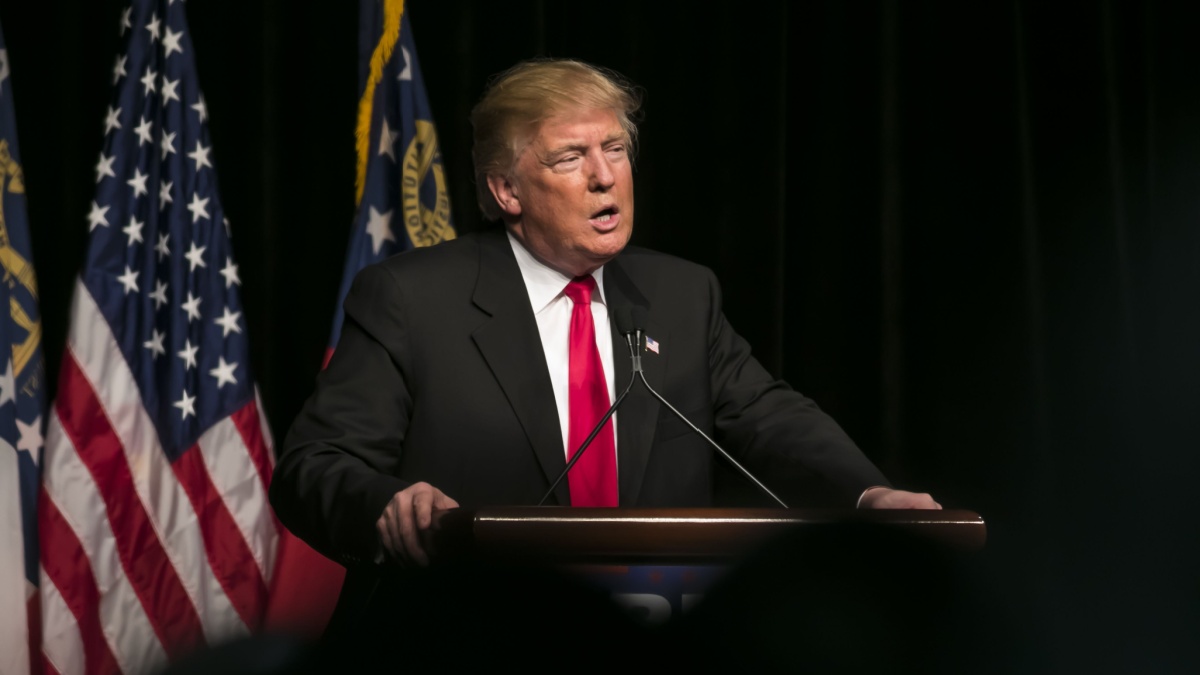
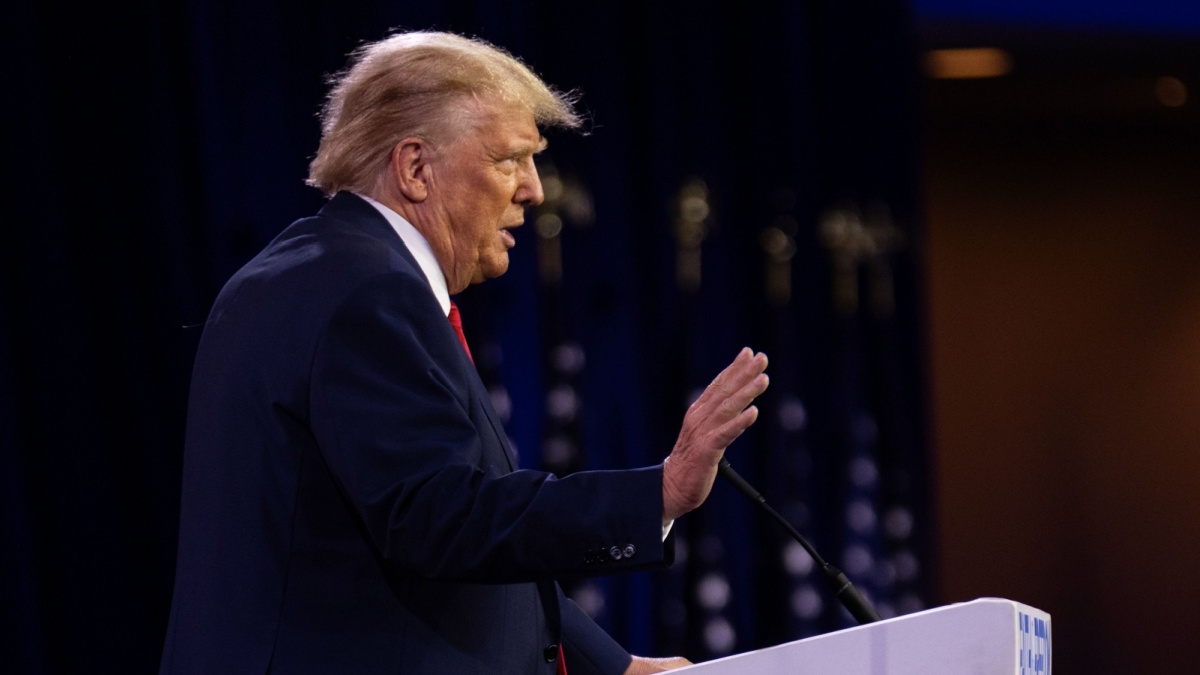
I had promised myself not to bring up the current US President, but it would be disingenuous not to, given just how closely aligned President Donald Trump and his family have become to the crypto space. This growing proximity between this demographic and crypto creates a perception problem, and in payments perception is anything but superficial.
When neutrality starts to fade
Successful payment systems share a common trait of neutrality. Consumers do not think about the politics of card networks when they tap to pay and businesses rarely consider ideological alignment when choosing settlement infrastructure. The best financial rails are invisible, universal and uncontroversial.
Crypto, on the other hand, risks becoming visible in all the wrong ways.
If a financial system begins to show signs of affiliation, whether political, ideological or socio-economic, it stops being universal and becomes selective. Users who feel aligned may lean in, while those who don’t will simply opt out.
The danger is that crypto risks becoming a financial system that, for some people, feels like it belongs to someone else. Let’s face it, for an industry that wants to be the future of money, that becomes a serious problem.
When crypto infrastructure is perceived as politically charged or socially narrow, it creates friction across the system. Large institutions become more cautious, integration decisions take longer and regulators, already wary, may feel justified in taking a harder line.
In that sense, it is not really about whether crypto can attract high-profile advocates, because it clearly can. It is more about whether, in doing so, it is unintentionally starting to say who it is for, and just as importantly, who it is not for.
None of this means crypto cannot still achieve mainstream relevance. The technology itself is neutral, and its use cases continue to grow, particularly across emerging markets where access to alternative financial infrastructure can be limited.
However, it would be naive to think that technologies exist in a vacuum. They are influenced by the people who champion them, the narratives around them, and the messages they send to potential users.
At the moment, these factors appear to be becoming more concentrated.
Want to hear more stories like this? Check out the new SBC Media YouTube Channel, the new home of all things multimedia at SBC, where our team deep-dives into the biggest stories from across the sports betting, iGaming, affiliate and payments industries.