Swiss digital asset infrastructure provider Taurus has been chosen to power the new digital asset platform
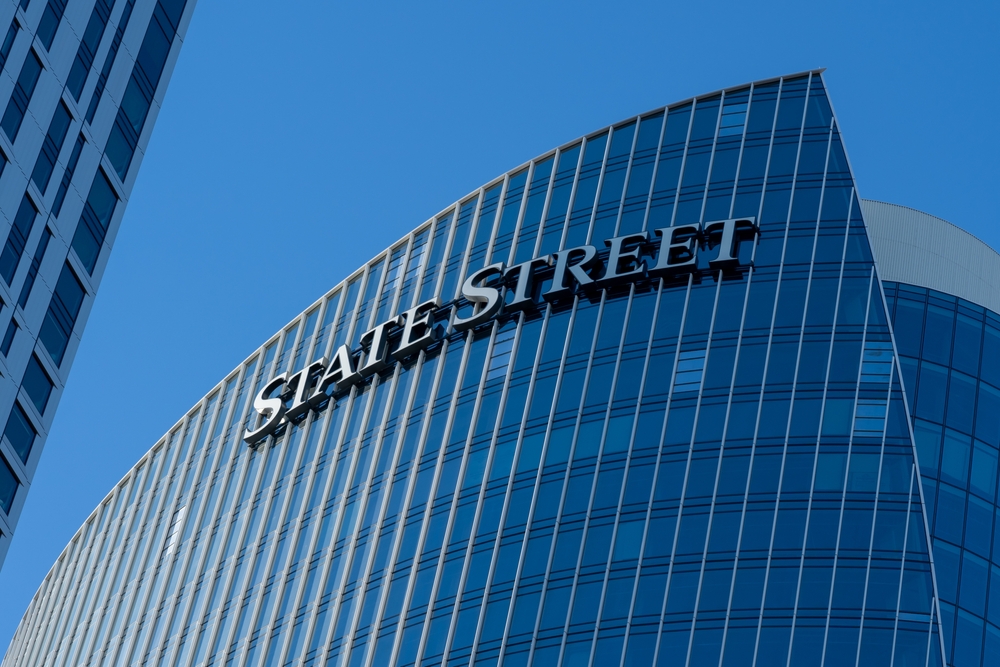
State Street has unveiled a new digital asset platform, the latest move by a systemically important custodian to integrate blockchain technology into the plumbing of the global financial system.
The platform, announced on January 15, is designed to facilitate the issuance, custody, and servicing of tokenised products, including money market funds and ETFs. It also encompasses cash-management tools such as tokenised deposits and stablecoins.
The move marks a transition for State Street from a “wait-and-see” approach to the provision of live infrastructure. It reflects a broader industry trend where distributed ledger technology (DLT) is viewed less as a speculative asset class and more as a vehicle for upgrading aging market infrastructure.
“To progress our digital strategy efforts, we have chosen Taurus as a key collaborator for custody and tokenisation,” State Street said. “Taurus is an industry-recognised digital asset infrastructure provider that specialises in serving large financial institutions.
The bank added that, subject applicable regulatory approvals, it will adopt Taurus’ fully integrated custody, tokenisation and node-management solutions.
The evolution of institutional DLT
The launch signals the end of a long gestation period for blockchain in corporate banking. Between 2019 and 2021, the sector was characterised by proof-of-concept pilots – isolated tests of tokenised bonds or internal settlement coins.
These early experiments were largely confined to private, permissioned networks and served as technical feasibility studies rather than commercial offerings. However, since 2023, the focus has shifted toward production-grade platforms capable of handling institutional volumes.
State Street’s entry follows similar maneuvers by peers such as JPMorgan, through its Onyx platform, and Citi, which has been active in developing tokenised deposits for real-time cross-border liquidity.
The timing of the launch coincides with a period of increased regulatory clarity and institutional interest in “Real World Asset” (RWA) tokenisation. Major fund managers are increasingly exploring DLT to reduce the “T+2” settlement cycle, automate corporate actions, and lower the costs associated with collateral management.