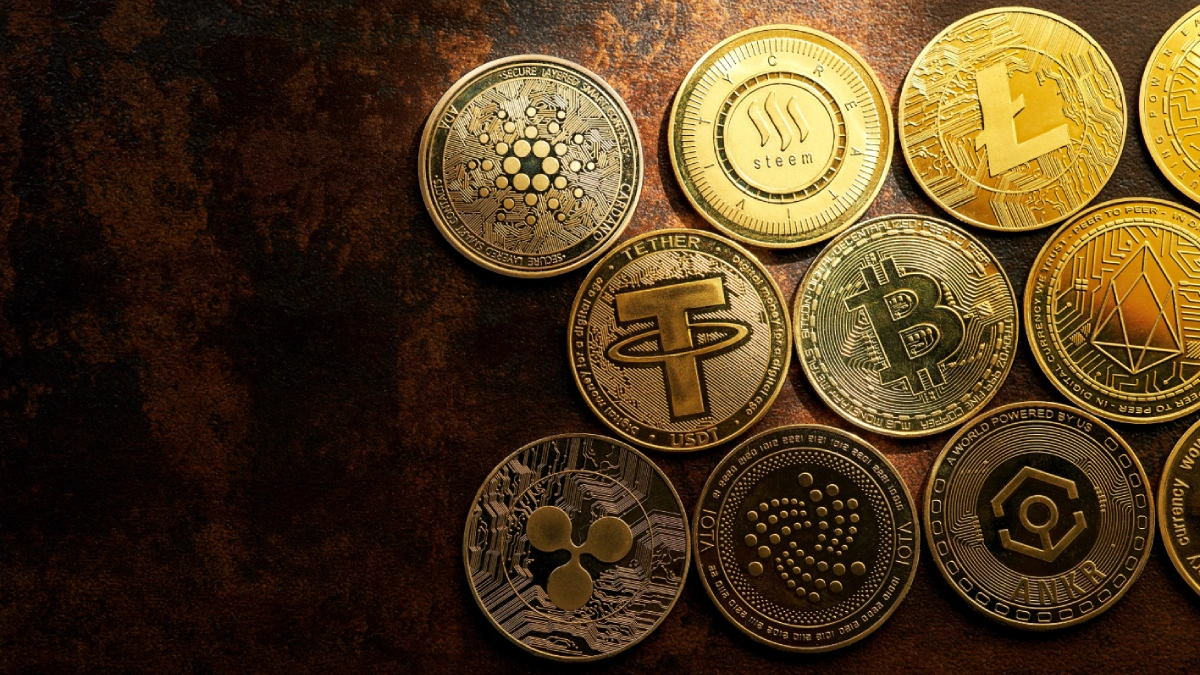
Crypto, digital assets and stablecoins. All three have arguably experienced the most growth in a single year in 2025, shaped by traditional finance interest, regulation and newfound use cases.
Recapping the year, Payment Expert delivers a month-by-month breakdown of the biggest stories from the year, from Donald Trump’s crypto campaign, to stablecoins moment in the sun, and all the regulatory talk in between.
January: Trump’s Crypto Inauguration Agenda
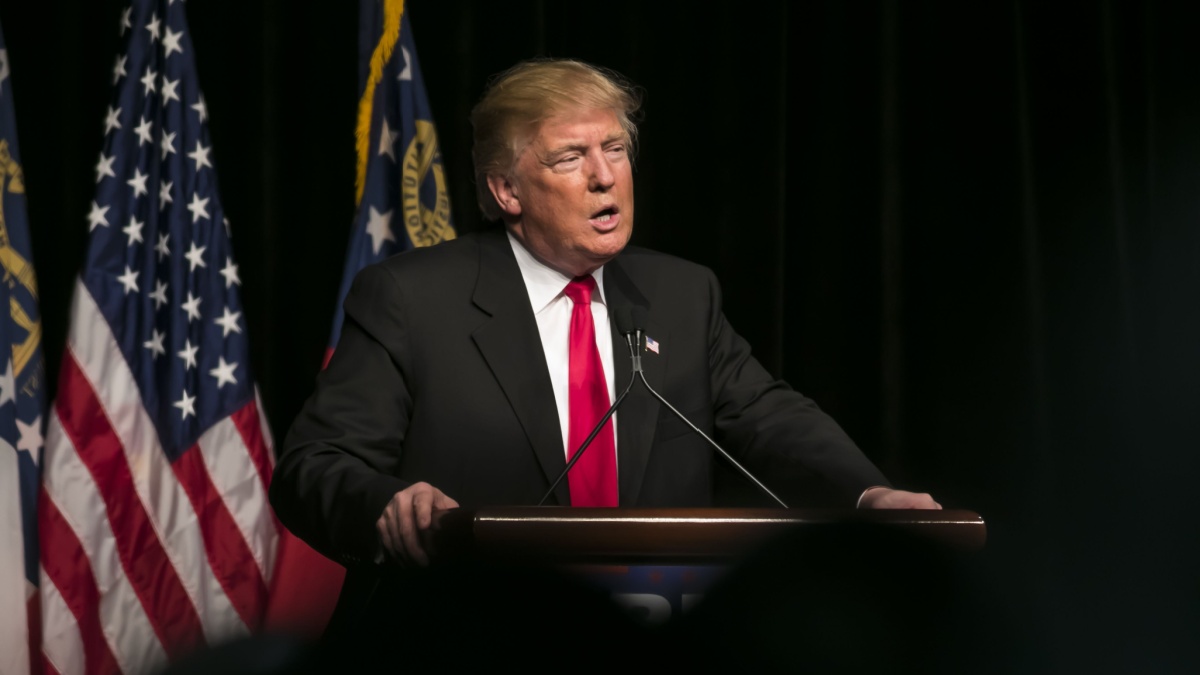
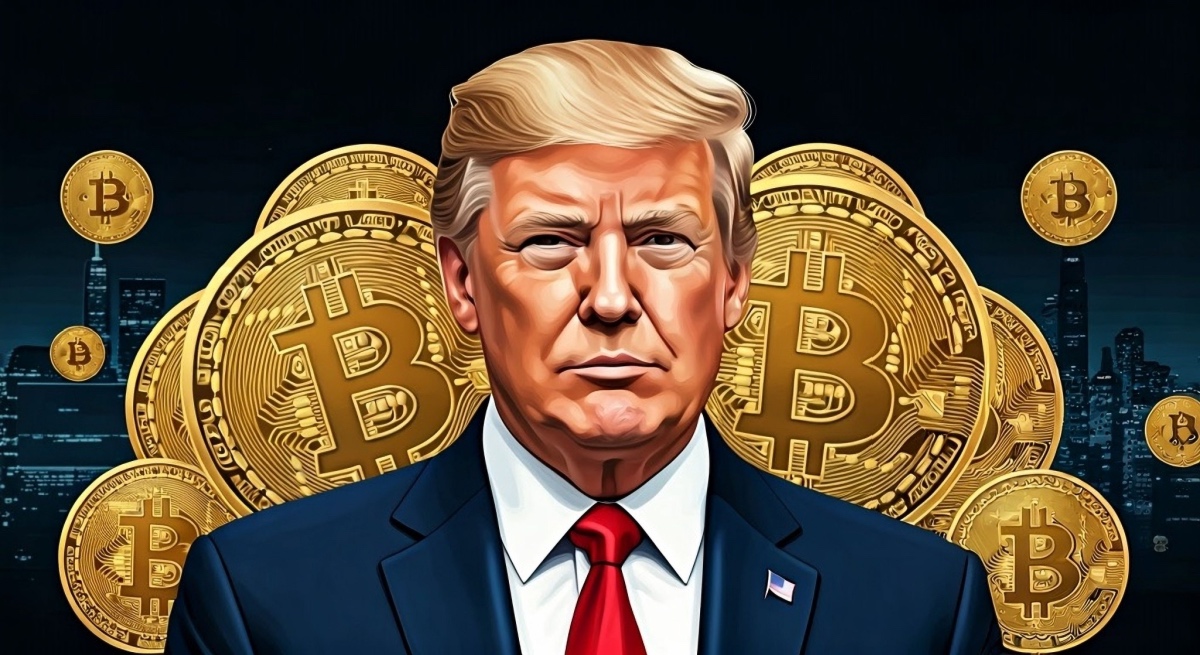
Pro-advocate Donald Trump set the year in motion and would become one of the most influential figures for the crypto industry for 2025. Trump’s inauguration on January 20 spelt a new age for US crypto prosperity and he wasted no time in putting his agenda to action.
He began by reforming the Securities and Exchange Commission (SEC) by putting forward crypto-friendly Paul Atkins as his Chair nominee, who was subsequently appointed in April. Next was the announcement of the Federal Strategic Bitcoin Reserve, which now holds an estimated 200,000 BTC.
Trump promised to make the US the leading country for crypto development and adoption and his first 100 days of his second term in office made sure he was following up on promises.
“The digital asset industry plays a crucial role in innovation and economic development in the US, as well as our nation’s international leadership,” said Trump.
“It is therefore the policy of my Administration to support the responsible growth and use of digital assets, blockchain technology, and related technologies across all sectors of the economy.”
February: Bybit involved in crypto’s largest hack
While Trump promised new prosperous growth for the industry, a major hack resulting in $1.5bn of crypto being stolen reminded investors of the continued risks involved.
On February 21, Bybit confirmed it was the subject of a hack from The Lazarus Group which saw 400,000 ETH ($1.1bn), and a further $400m in other assets, stolen from crypto wallets, making it the largest crypto hack to date.
The hack demonstrated the problems with cold wallets, as the hackers were able to transfer the funds into these wallets as they come with unidentified addresses ironically designed to stave off hacks and theft.
Bybit reacted swiftly, temporarily shutting down its services and recovering, but it is currently unspecified how much has been recovered. Chainalysis announced in July it assisted in retrieving a portion of the $1.5bn stolen.
Crypto and digital assets have no doubt grown to new heights this year, but the Bybit hack is a stark reminder that blockchain security can be compromised and sent a warning to the industry that its defense mechanisms should be routinely assessed and updated.
March: Europe sends warning shot to Trump’s US
Europe has always played a more cautious role when it pertains to crypto. The Markets in Crypto Assets (MiCA) regulation took effect in 2024, and EU policymaker Francois Villeroy de Galhau sent a subtle dig at the US’ newfound approach to crypto.
The European Central Bank (ECB) Governing Council Member said on March 15 that the US’ pro-crypto strategy may cause “future upheavals” to the global economy as Trump promoted non-banking assets.
“Financial crises often originate in the United States and spread to the rest of the world,” said Villeroy de Galha. “By encouraging crypto-assets and non-bank finance, the American administration is sowing the seeds of future upheavals.”
This followed comments made by ECB President Christine Lagarde in February, as she remained confident no crypto assets will be held by European Union banks.
April: The UK’s crypto regulation promises finally coming to fruition?
The UK has for several years promised a regulatory framework to govern crypto and digital assets, but under the new regime of Keir Starmer’s Labour, 2025 may finally be the year it comes to pass.
Chancellor Rachel Reeves spoke at a UK fintech event on April 29, promising to make the country “the best place in the world to innovate” which involved new classifications for ‘cryptoassets’ under the ‘Plan For Change’ initiative.
The UK allows crypto companies to operate via an Electronic Money Institute (EMI) license, but this is limited to what companies are able to offer customers, such as standard services like fiat-to-crypto conversions, e-money transfers, among others.
With Europe already having MiCA in place, and the US rapidly developing its own crypto legislations, the UK can not afford to fall further behind its contemporaries if it wants to stake its claim as a leading crypto hub.
May: Crypto wins over the new, old and critical players
May saw several major traditional finance and technology companies embrace digital currencies as they continued to surge in popularity and interest.
Visa made its first investment into a stablecoin company by backing BVNK, while Stripe introduced Stablecoin Financial Accounts, a new money management feature allowing businesses to open balances and receive funds through both crypto and fiat rails.
Meta was also reviving its interest in digital currencies after the collapse of its Diem experiment, formerly known as Libra. Mark Zuckerberg’s company was reportedly interested in enabling stablecoin payout functions on its social media platforms, such as Facebook and Instagram.
But perhaps most surprisingly was the decision from JP Morgan to allow its clients to buy Bitcoin, despite CEO Jamie Dimon being a well-known critic of crypto.
The industry’s growth was on full display in May, bringing in the interest of established companies, renewing optimism in previous supporters, and even forcing the hand of harsh skeptics.
June: Crypto lending?
In a new development to the industry, NeverPay revealed on June 6 its latest innovation: Buy Now, Pay Never (BNPN).
This offshoot from Buy Now, Pay Later allows users to spend without selling their crypto or taking on debt, staking crypto for a fixed 12-month period.
NeverPay uses those expected rewards to pay merchants immediately in stablecoins like USDC. This enables users to purchase goods or services instantly, without paying any transaction fees or giving up ownership of their original crypto holdings.
BNPN certainly raised eyebrows to those both in-and-out of the industry, and showed how crypto could be used in traditional financial settings.
July: CLARITY & GENIUS Acts passed
July was a landmark month for US crypto as the eagerly awaited CLARITY and GENIUS Acts were passed on July 17 in a moment which sought to bring newfound regulatory and growth momentum.
The CLARITY Act, which passed 294–134, aims to outline clear and transparent rules by the SEC and CFTC for the crypto industry, such as determining whether a token should be classified as a security or a commodity, a long-running issue during the SEC’s enforcement over crypto exchanges during the Biden Administration.
The GENIUS Act, which passed 308-112, is stablecoin specific. This bill requires issuers to maintain full dollar reserves for USD-denominated stablecoins, as well as register with federal or state banking regulators.
The US also passed the Anti-CBDC Surveillance State Act, removing any powers the Federal Reserve may have in issuing a retail central bank digital currency.
These acts were the bedrock of Trump’s plans to harmonise a crypto sector that was suffering from perceived targeted enforcement action in the years prior, providing crypto companies with the rules, transparency and growth opportunities they were so desperately seeking.
August: UAE’s Digital Dirham takes shape
The US took a definitive stance against CBDCs in July, but the United Arab Emirates (UAE) took the opposite approach.
The Digital Dirham was announced for a phased launch in November, with the first wholesale transaction taking place, which emphasised the UAE’s digitisation approach to modernising its payment infrastructure and push forward new innovations.
Built for retail, wholesale and cross-border payments, the Digital Dirham is issued by the Central Bank of the UAE and distributed to the country’s banks, exchange houses, fintechs and licensed finance firms.
CBDC development has cooled in recent years as more benefits have been unearthed from digital currencies like stablecoins. But the UAE is planting its flag in the desert as a market that welcomes all forms of digital currency, aiming for flexibility to entice potential investors and key players.
September: Blockchain security becomes a focal point for US
The New York State Department of Financial Services (DFS) issued a notice on September 17 that while digital currencies continue to grow, “compliance functions must adapt”.
Amid renewed fears over blockchain security due to the Bybit hack earlier in the year, DFS Superintendent Adrienne Harris reminded institutions it must acknowledge new compliance requirements if it wants to continue to explore on-chain activities.
“As traditional banking institutions expand into virtual currency activities, their compliance functions must adapt, onboarding new tools and technologies to mitigate new and different risks,” said Harris.
Payment Expert also relaunched the Blockchain Bulletin on September 4, a weekly breakdown of some of the biggest news stories coming out of the industry. Subscribe to the Blockchain Bulletin HERE
October: Is Trump too lenient?
On October 24, Binance Founder Changpeng Zhao was granted a full presidential pardon by Donald Trump after serving four months in prison for his role in Binance’s 2023 anti-money laundering failures.
This raised questions over Trump’s leniency to favor crypto executives who have previously been condemned by the Biden Administration. He later revealed he did not know who Zhao was before he pardoned him when asked if his decision held any credence to Binance receiving a $2bn from MGX which was settled in USD1, a stablecoin which was created by World Liberty Financial, co-founded by Trump Family members.
Trump’s Presidency has also seen previous SEC lawsuits against Ripple thrown out in August and this recent activity also caught the attention of disgraced FTX founder Sam Bankman-Fried.
According to reports, Bankman-Fried’s parents have reached out to Trump if their son is unable to have his appeal approved.
November: The Battle for BVNK – Coinbase vs. Mastercard
October and November saw a battle emerge for the acquisition of stablecoin payment firm BVNK between Coinbase and Mastercard.
Coinbase emerged as the favourites after securing exclusivity talks with BVNK over a potential $2bn deal. Negotiations appeared advanced, as Coinbase were reportedly confident a deal could be finalised late 2025 or early 2026.
However, which came to a surprise to many, the deal mutually ended.
Mastercard reportedly switched its interest to stablecoin infrastructure firm Zerohash, but the elevated interest in stablecoin company M&A activity highlighted the growth of the stablecoin market in 2025.
December: The UK gets serious
After a year of promising crypto regulations, the UK finally announced its plans to introduce crypto regulations in 2027.
Legislation is being planned to be rolled out over the next two years aiming to give operating crypto and digital asset companies “legal clarity over the sector’s regulatory position”.
HM Treasury revealed some of the incoming new rules will involve similar traditional financial transparency, as well as regulations that traditional financial products follow, such as stocks and shares.
The UK closed out the year making future intentions. The US and Europe are ahead in regulation clarity, but if a framework can be agreed upon next year and implemented in 2027, the UK’s history of being a leader in financial technology and services bolds well for its digital asset prospects.