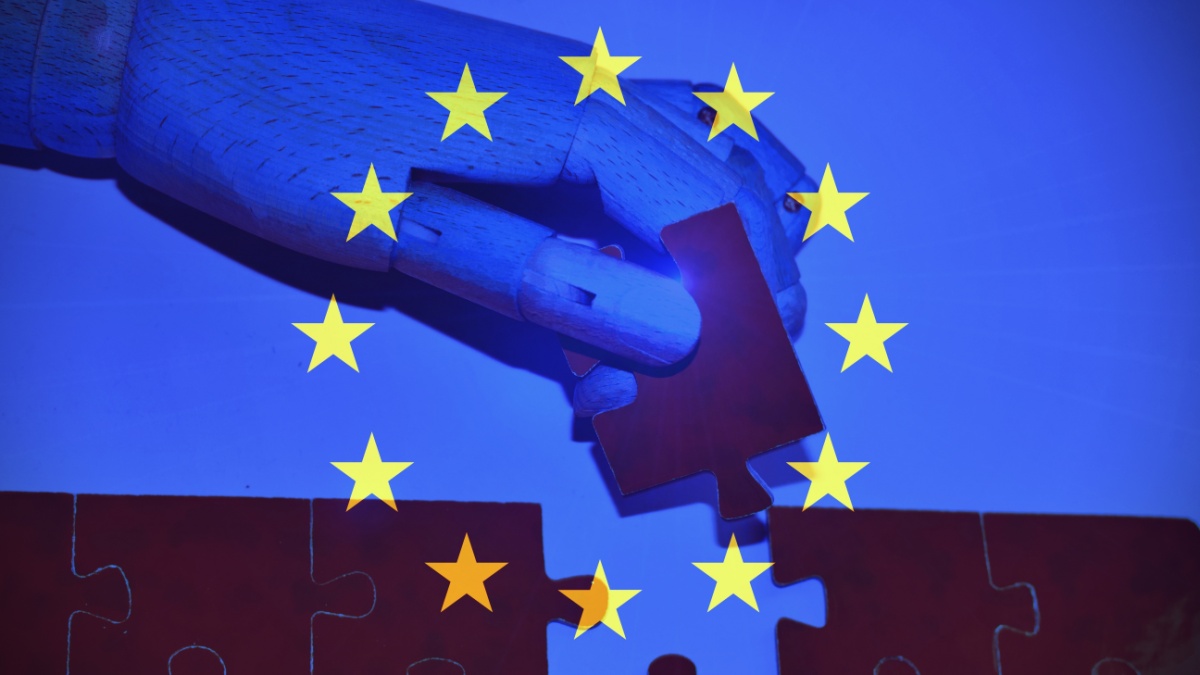
PayDo founder Serhii Zakharov outlines his mission to address Europe’s fragmented payments landscape with unified infrastructure, open banking innovation, and UX‑driven solutions.
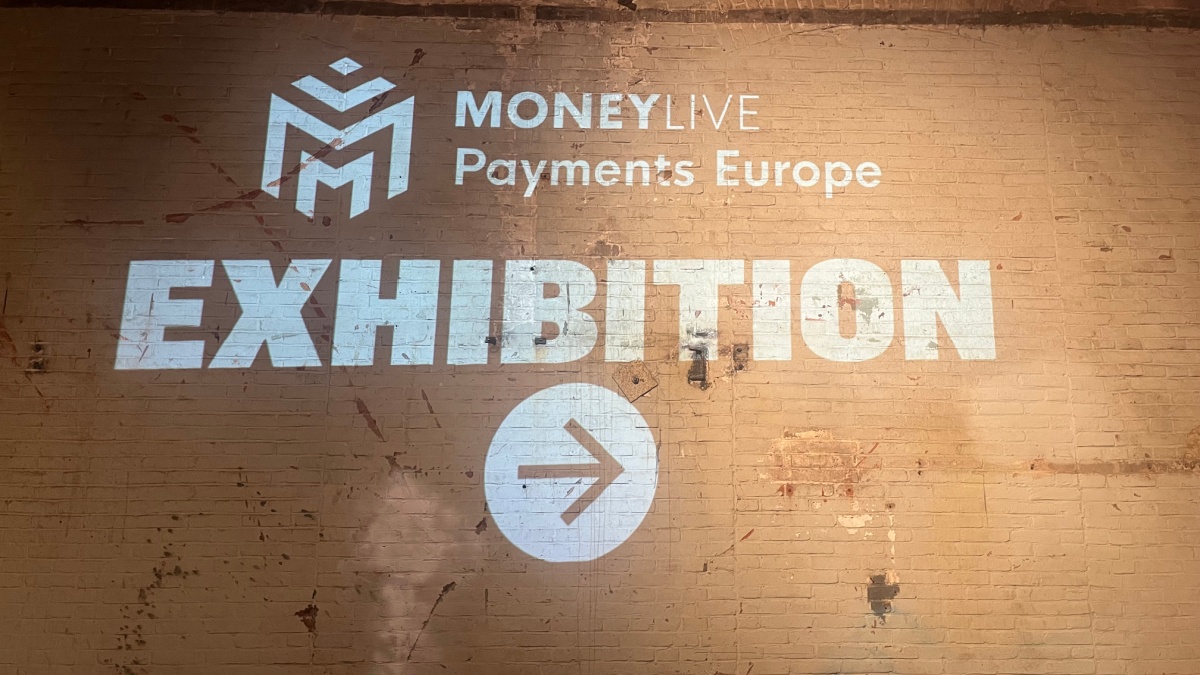
MoneyLIVE in Amsterdam wrapped up last week, an event which, coming towards the end of the year, usually carries a noticeably less optimistic energy.

Budgets tighten, product launches slow and many attendees are half focused on what Christmas presents they might be able to secure in a Black Friday sale.
However, there were still great conversations and insights, when discussions kept circling back to the same pressure point for European merchants – fragmentation and the complexity it creates.
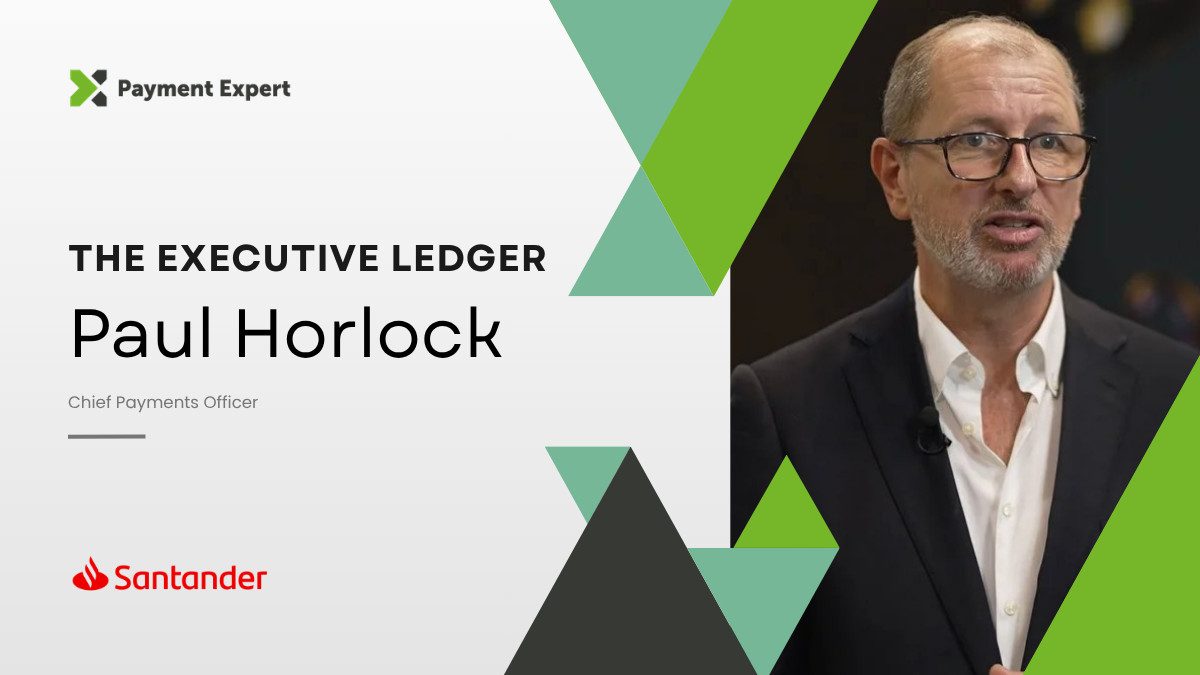
So when Payment Expert noticed a large crowd gathering around one of the smaller stages, LED headphones in hand, to hear Serhii Zakharov, Founder and CEO of PayDo, explain his mission to tackle exactly that issue, the interest made perfect sense.
He introduced PayDo as a London-based fintech company founded in 2016, which provides an all-in-one payment ecosystem offering multicurrency accounts, IBANs, corporate and personal cards, checkout solutions, and mass payments.
Why the industry grew this way
Fragmentation is not a new problem for European payments, in fact, there are currently several initiatives looking to solve the problem. These include pan-European payment schemes such as EPI and the Wero wallet, SEPA upgrades, PSD3 reforms, the Digital Euro project and cross-border harmonisation efforts like ISO 20022 and the G20 roadmap.
Catching up with Zakharov after his presentation, Payment Expert explored why this fragmentation exists to begin with.
He argues fintech evolved slowly compared to other sectors such as iGaming, in part because many founders came from other industries and focused on narrow specialties rather than building end-to-end solutions.
“Many companies decided to focus on a single product rather than understanding the full payments ecosystem,” he says. The result is a patchwork of providers which merchants have to stitch together. Merchants often accept this complexity in exchange for lower costs, unaware of the operational burden it brings.
The trade-off is evident, as just minutes before Zakharov’s conversation, Boozt’s Hanui Ye told audience members how retailers have successfully lowered payment costs in recent years, but only by accepting “increased complexity” across payment stacks.
However, in reality this isn’t just a financial or technical challenge. It extends to legal and compliance burdens, particularly for businesses scaling across borders. Multiple providers mean multiple contracts, differing regulations and more reconciliation for finance teams, as Zakharov noted.
With these ongoing initiatives, it begs the question why Zakharov wants to join the fight. For him, it is personal. Starving for solutions from a young age, he began coding e-commerce payment systems at just 17, witnessing firsthand how fragmented and slow the industry was to evolve.
This early exposure gave him a clear view of the gaps in technology, compliance and operations merchants face.It soon became clear to Zakharov regulatory and infrastructure hurdles were prime examples of fintech’s slow pace.
“But FinTech, it was a really slowly developed industry. So not so many solutions, lots of problems, lots of challenges,” he says, citing PSD2 as a “prominent example”, introduced in 2018 yet still lacking sufficient infrastructure for payment collections.
This experience is why he and PayDo are aiming to lead the solution. There “should be a more energetic and innovative approach to solve customer problems, to overcome these customer challenges in time,” he says, explaining the mission which drives his company today.

A path towards a more unified future
Zakharov believes reducing complexity can be achieved with more unified infrastructure, better use of open banking and a stronger focus on user experience.
He told Payment Expert the industry needs to bring core services together into unified APIs and systems. One onboarding, one compliance framework and one operational point of contact, he said, would help merchants cut reconciliation work, integrations and the complexity of working with many providers.
“Basically, you need to evolve together with your customer demands and together with your customer needs,” he explains. By pulling services into one place, he believes businesses can manage payments, reporting and compliance without having to handle multiple contracts and systems at once.
The second pillar is open banking, which Zakharov believes has strong potential for consumers, but says “many banks and providers are not equipped” to handle high volume, low value consumer-to-business (C2B) transactions.
To address this, he says PayDo built infrastructure and compliance models which treat these flows as both “bank transfers” and commerce payments.
“In reality, because legally it’s a banking transfer, but from the end-user point of view it’s a commerce transaction… we developed new technology, upgraded infrastructure and adopted our policies to provide unlimited collection of these payments,” he says.
He emphasises PayDo’s solution is, in his words, “first in the industry and first in the world” designed specifically for C2B open-banking payments into business accounts.
The third pillar is UX-led innovation. Merchants today want less friction, not only lower costs. Zakharov points to non-redirect e-wallet checkouts as an example of where the market is moving.
In this model, customers stay on the merchant’s page, complete KYC, add funds and pay in one embedded flow. “UX is extremely important… it’s much better for customer experience and boosts conversion,” he says.
His vision for the future
Looking ahead, Zakharov imagines a payments ecosystem which is faster, more connected and more responsive to business needs. This means PayDo is growing cross-border services and building larger teams.
On a wider level, he hopes the fintech industry will push innovation faster, work together more openly and build solutions which help merchants before problems become long term burdens.
He accepts, however, solving fragmentation will not be simple. The industry created many of its challenges by relying on narrow, specialised solutions rather than holistic ones and untangling this will not be quick or easy.
“First of all, it’s not easy. Our goal is to make it as easy as possible for the customer. But from our point of view, it’s a nightmare, because we maintain all these payment provider relations,” he said.
“We are regulated in many jurisdictions and we need to comply with all rules and regulations, local and international. At the same time we maintain our technical side, our compliance side, our support and client-facing side. We have direct memberships with SEPA, Visa, MasterCard and many more. We take that part from the customer and we are doing this from our side internally.”