As the UK moves towards mandatory digital ID, payments experts see an opportunity to drive innovation.
UK Prime Minister Keir Starmer has placed heavy emphasis on the “right to work” in his Digital ID announcement, but industry voices argue the opportunities extend far beyond migration control.
Speaking today (26 September), Starmer described the initiative as a way to make it harder for people to “slip into the shadow economy”, confirming British citizens will not be able to work in the UK without a digital ID.
He added that Britain has been “squeamish” about addressing illegal migration, framing the rollout of Digital ID as a central part of his government’s approach.
Tony Craddock, Director General of The Payments Association, predicted earlier this year in an interview with Payment Expert that the government would lean on migration rhetoric to push the scheme forward.
But as Kristaps Zips, UK CEO at payabl., said in comments to Payment Expert “the opportunities extend far wider.”
What is a digital ID?
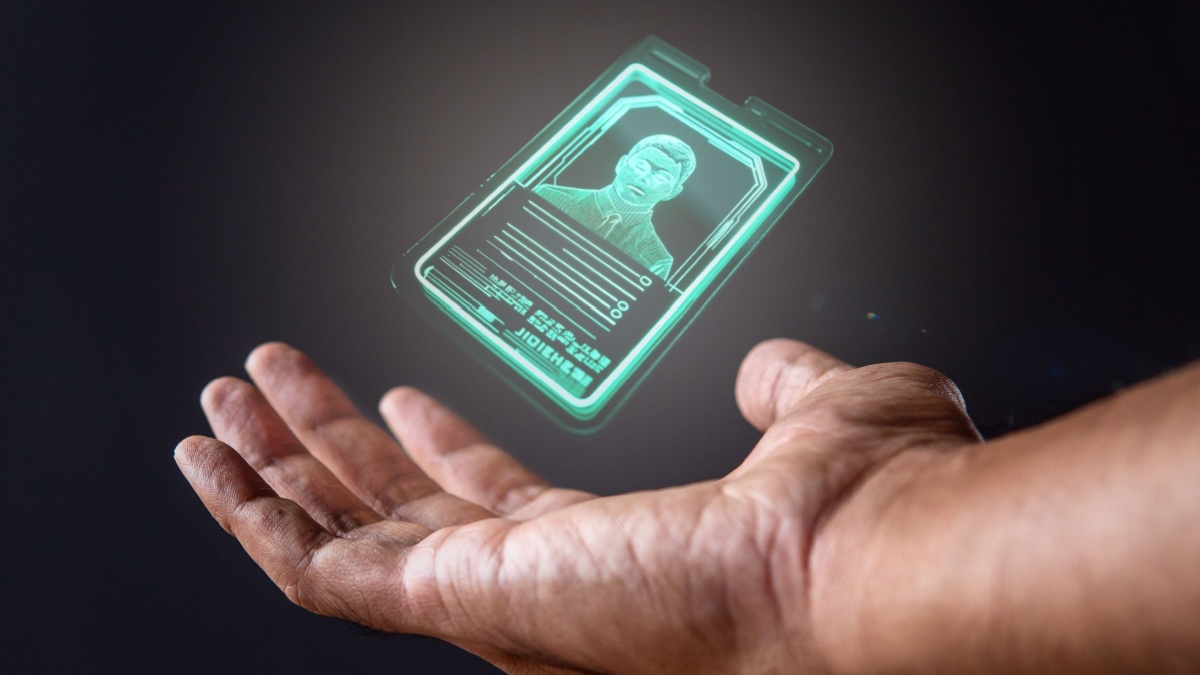
A digital ID is an electronic form of identification which allows people to verify who they are, either online or in person, using a government-issued credential. Typically stored in a smartphone app or digital wallet, it can contain key details such as name, date of birth, nationality and residency status.
The technology is designed to reduce fraud and modernise outdated verification processes while streamlining access to public and private services.
The UK is not alone in exploring this shift. Estonia is often referred to as a global leader, with its e-ID underpinning everything from online banking and digital voting to healthcare records. Elsewhere, India’s Aadhaar programme, the world’s largest biometric ID system, has enabled millions to access welfare payments and financial services.
This is far from a new idea by the UK. Governments have tested the waters, most notably Tony Blair’s Labour administration in the mid-2000s. Physical ID cards were introduced with the stated aim of tackling immigration and terrorism but met with strong resistance and were scrapped by the incoming coalition government in 2010.
Starmer’s speech has potentially led to more questions than answers, but there are several ways a digital ID could benefit payments.
Payments in focus
Craddock said earlier this year the absence of a reliable digital identity system has slowed the adoption of innovations such as programmable money, real-time international payments and secure open banking transactions. “That’s where this sort of digital identity is going to be necessary,” he said.

One of the clearest benefits, he noted, is simplifying customer onboarding. Banks and fintechs currently rely on manual document checks or third-party services to meet Know Your Customer (KYC) rules.
A digital ID would allow users to verify their identity instantly, reducing friction and providing quicker access to financial products. This is particularly valuable in open banking, where seamless integration and speed are essential.
Fraud is another area where digital IDs could have a major impact. Rising cases of Authorised Push Payment (APP) fraud have already put regulators and banks under pressure.
Craddock said digital IDs could help by ensuring payees are properly verified, reducing the role of money mules and even cutting down on cases where “innocent bad actors” unknowingly facilitate scams. “For us to have a digital identity, it’s going to really help to solve the fraud problem,” he said.
This view was echoed by Zips, who said the potential of digital IDs is “significant, if done right.”
His company’s research shows 81% of merchants would welcome them as a tool to reduce fraud and create smoother checkout experiences. But challenges remain, with two-thirds of merchants unsure whether customers are ready to embrace the technology, while a similar proportion fear increased cart abandonment if implementation is clumsy.
“It’s vital that the conversation includes these wider use cases,” Zips said, “and gives people the chance to understand how digital IDs could make everyday experiences – like shopping online and verifying identity at the checkout – safer and more seamless.”
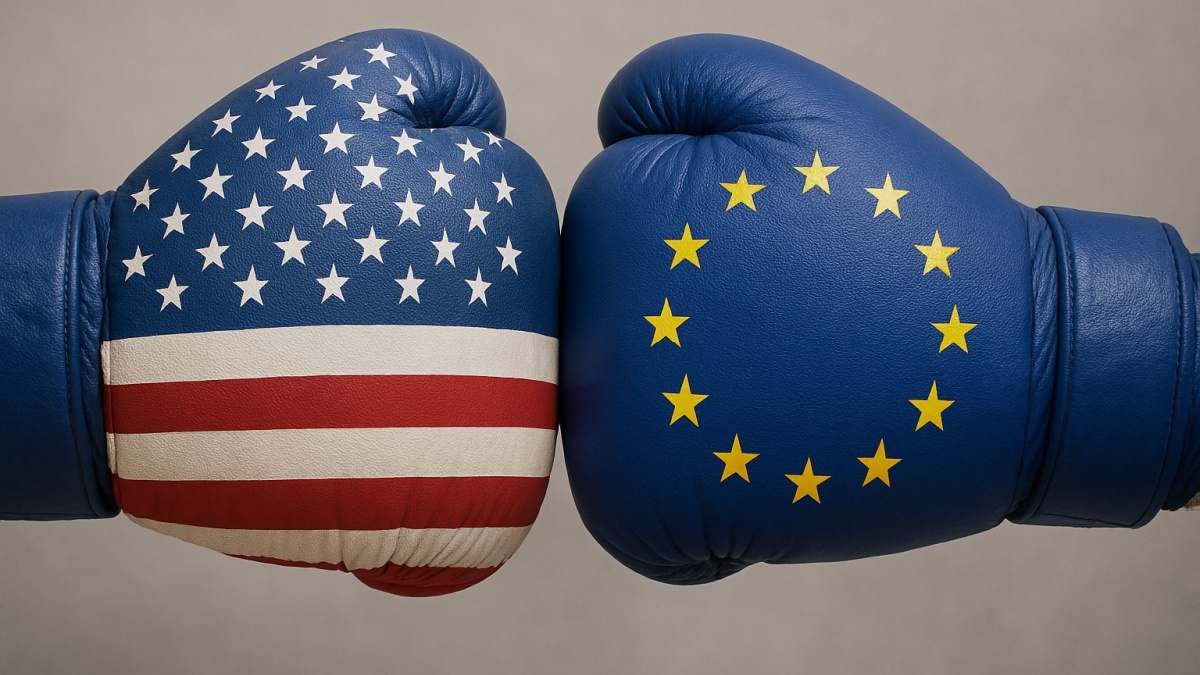
The UK will not be moving alone. The European Union is pressing ahead with its own digital identity framework, aiming to provide every citizen with a secure, unified ID by 2030. Craddock noted this places growing pressure on the UK government to deliver, adding: “We can’t really be left behind anymore. We really can’t.”