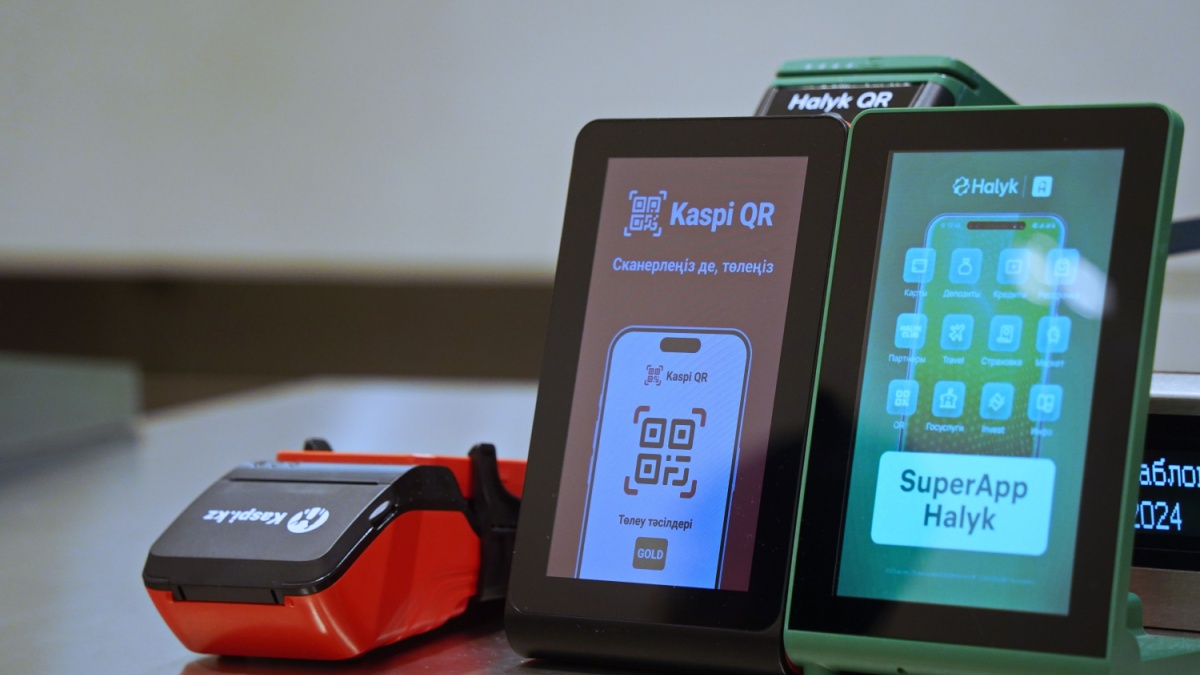
National Payment Corporation rolls out a single QR acceptance scheme across banks, with more lenders joining by year-end and nationwide scale targeted for 2026.
Kazakhstan has switched on a unified interbank QR payment system which lets consumers pay any participating merchant with one QR code from any bank app, in a move authorities say will simplify acceptance and bolster the country’s fintech ambitions.
Announced on November 13 at the Central Asia Fintech Summit in Almaty, the scheme has been developed by the National Payment Corporation of Kazakhstan (NPC) with banks’ technical teams.
According to The Astana Times, National Bank Chairman Timur Suleimenov said the project would make life easier for consumers and support the financial system, positioning Kazakhstan as a regional leader. NPC chair Zhanar Samayeva said the service will be scaled across regions and outlets, with more banks slated to join by the end of the year and a full-scale roll-out targeted for 2026.
The launch builds on a year-long programme of pilots and staged connectivity. The NPC confirmed on September that the first live transactions were available via three institutions – Bank CenterCredit, Freedom Bank and Home Credit Bank – as part of an interbank QR service embedded in those banks’ mobile apps. The corporation operates the payments hub and interbank clearing for these QR transactions.
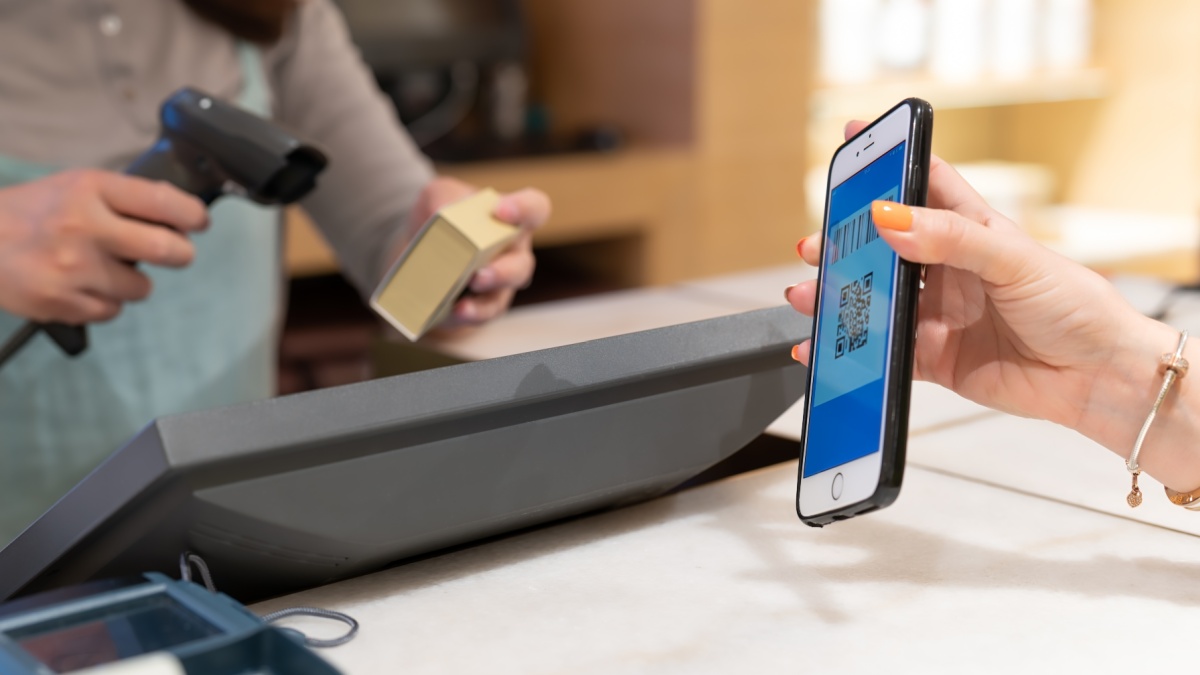
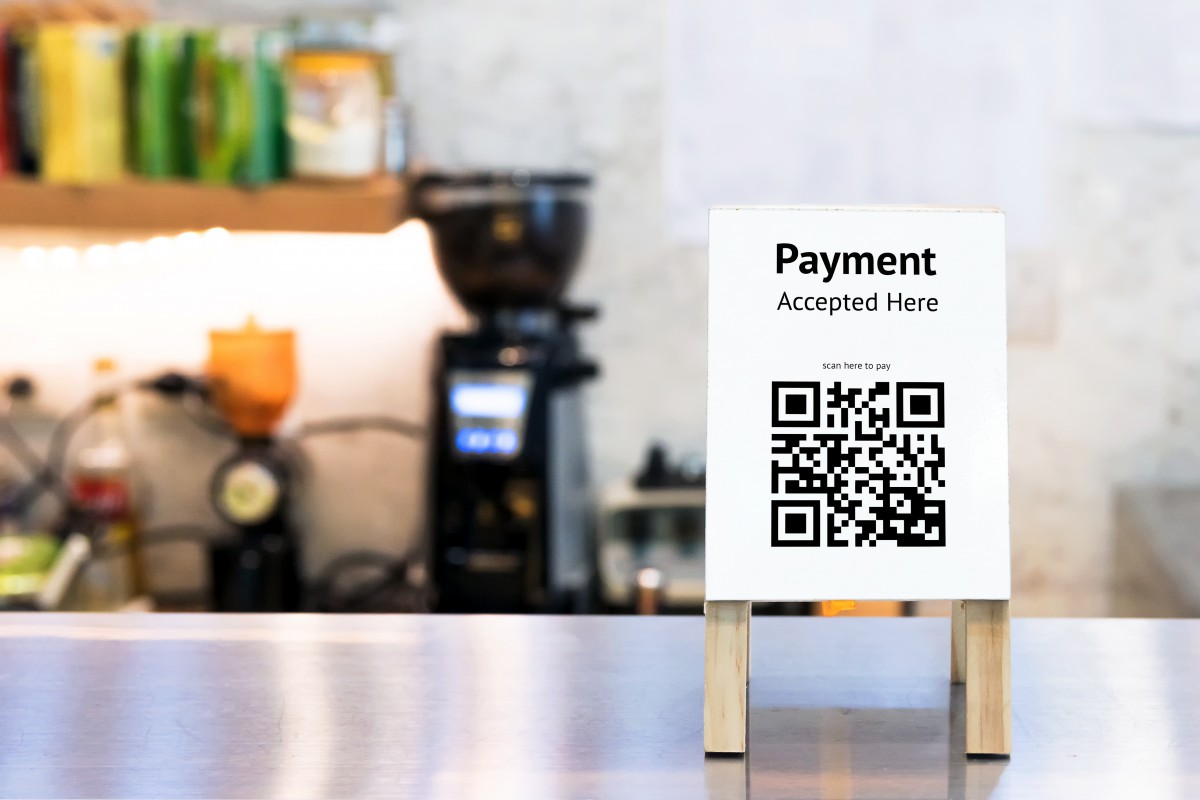
For users, the flow mirrors familiar QR journeys. Shoppers open their bank app, scan a single merchant QR and confirm payment, regardless of which bank the merchant uses. Interoperability is the key change. Instead of each bank or wallet running its own QR, the national scheme standardises acceptance so any participating banking app can scan any participating QR at the point of sale.
Regulators in Astana have trailed the concept since 2024, when the National Bank and NPC ran a public pilot and began connecting banks to an interbank QR rail. Officials also signposted the initiative through 2025 as part of a wider push to modernise retail payments alongside instant transfers by phone number. Statements in January and June confirmed gradual onboarding of banks and the intention to introduce a single QR format across the market.
Harnessing electronic payments
The move is framed as part of Kazakhstan’s digital finance agenda, which includes upgrading national payment infrastructure and accelerating cashless adoption. According to the nation’s central bank, payments organisations processed 4.6 trillion tenge ($8.8bn) in the first half of 2025, a 22% year-on-year increase, highlighting the momentum behind electronic payments that the QR scheme is designed to harness.
For merchants, a single interoperable QR promises simpler acceptance and fewer terminals on the counter, potentially lowering costs and reducing fragmentation between bank-specific setups. For banks and processors, a central hub removes bilateral complexity and could encourage competition based on app experience, loyalty features and value-added services rather than closed acceptance networks. Officials and local media have presented the initiative as a step that aligns with global moves toward QR standardisation and open retail payment rails.
The NPC’s statement indicates more lenders are due to connect by year-end, with nationwide scale planned in 2026.