Cross-border QR pilot by UnionPay shows China’s push for local-currency payments.
UnionPay International has launched a pilot cross-border QR payments scheme between China and Indonesia, aiming a for full launch later this year.
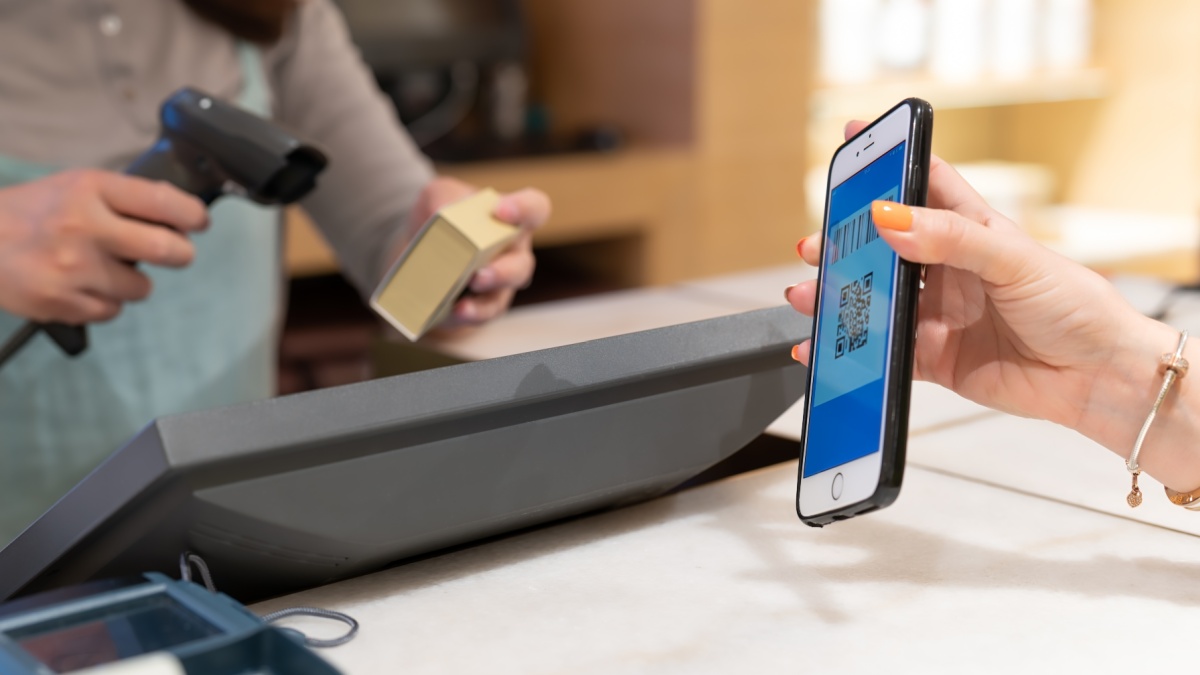
The project was launched on September 11 with events held in both Beijing and Jakarta. During the pilot phase, Chinese users approved for the scheme can scan Indonesia’s national QR code, QRIS, at more than 40 million shops and restaurants using the UnionPay or Alipay apps.
Indonesian consumers can use 22 major mobile wallets to make payments at selected merchants in mainland China, which are connected through the UnionPay and Alipay networks.
The pilot is running under the supervision of the People’s Bank of China (PBoC) and Bank Indonesia and follows a memorandum of cooperation signed in January by the Indonesian Payment System Association (ASPI), Ant International and the Bank of China (Hong Kong) Jakarta Branch.
Union Pay International also signed cooperation agreements with the four switch networks in Indonesia – Rintis, ALTO, Artajasa and Jalin – as well as Ant International and Alipay.
How it works
Transactions in the pilot will be processed through each country’s domestic QR payment system, but settled directly in local currencies. This removes the need for conversion into dollars and is designed to reduce costs for both merchants and consumers.
It also fits into a broader strategy from China to reduce reliance on the US dollar in cross-border payments. Earlier this year, China announced agreements with Egypt to expand UnionPay’s presence and enable yuan-based settlements in the Suez Economic Zone.
There are also practical advantages to this model. The design is meant to mirror how mobile wallets already work in their home markets, providing consumers with a familiar payment experience while abroad.
Additionally, merchants can receive payments through their existing connections, with no need to install new systems or terminals.
Not just a US snub
In addition to this QR pilot highlighting China’s efforts to reduce reliance on the US dollar, it also shows the country’s ambitions to expand its payments network.
Earlier this year, Payment Connect linked Mainland China and Hong Kong for the first time, letting residents send small payments in real time using a mobile number or bank account.
Cross-border payments are increasingly being used to support tourism as well. Thailand’s TouristDigiPay pilot, for example, will let visitors convert digital assets into baht via QR codes at shops and restaurants. While still limited by regulations, it demonstrates how payment systems can drive travel spending.