Trump’s reported selection of crypto policy specialist Michael Selig to chair the CFTC would come as the agency’s remit over digital assets is expanding
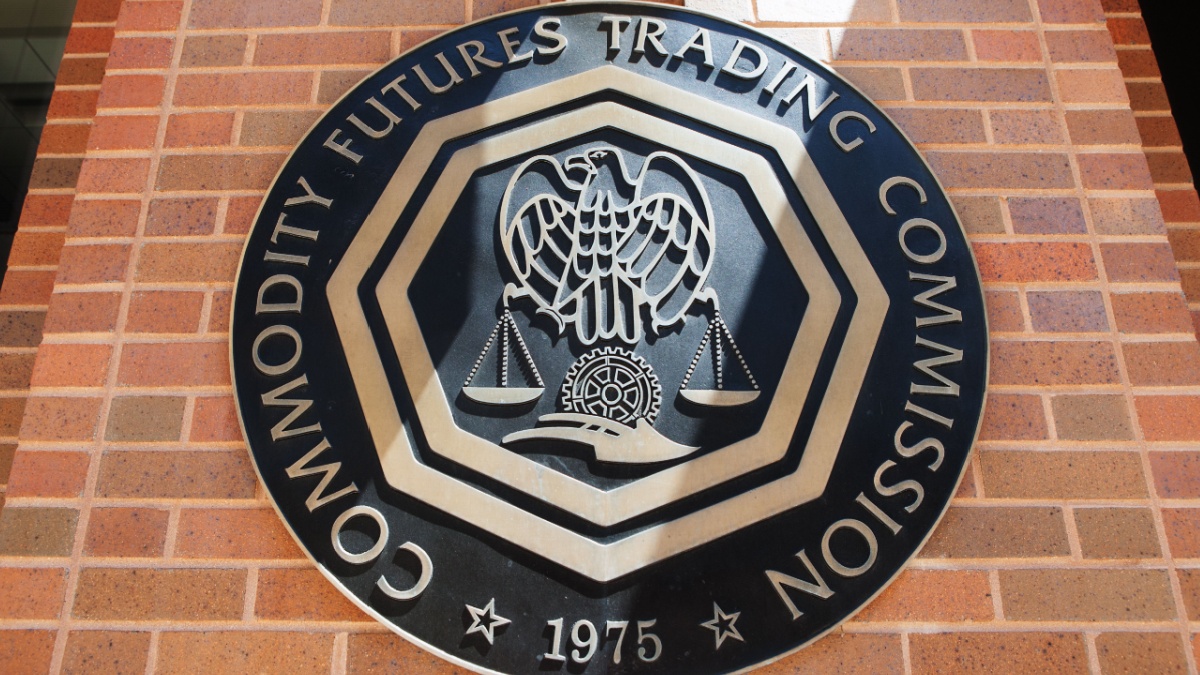
The White House is preparing to nominate Michael Selig to chair the US Commodity Futures Trading Commission, according to multiple reports, setting up a potentially significant shift in the agency’s approach to crypto-market structure and enforcement.
The pick has not been formally announced and would require Senate confirmation, but Selig confirmed his nomination in a post on X on October 25.
“I am honored to be nominated by President Trump to serve as the 16th Chairman of the U.S. Commodity Futures Trading Commission. With the President’s leadership, a Great Golden Age for America’s Financial Markets and a Wealth of New Opportunities stand before us,” he wrote.
“I pledge to work tirelessly to facilitate Well-Functioning Commodity Markets, promote Freedom, Competition and Innovation, and help the President make the United States the Crypto Capital of the World.”
Who is Michael Selig?
Selig is a financial-regulatory lawyer whose practice has centred on digital assets, derivatives and market structure. He rose to partner at Willkie Farr & Gallagher in its Digital Works group, where he co-authored analyses on the CFTC’s pioneering DeFi actions (including the bZeroX/Ooki DAO matter) and early decentralized-exchange manipulation cases, and contributed to client notes on NFT enforcement such as “Stoner Cats”.
Earlier in his career, Selig worked at the CFTC in the office of then-commissioner (later chair) J. Christopher Giancarlo – an era in which the agency began formal engagement with crypto markets. He subsequently became a frequent commentator and speaker on crypto policy, publishing op-eds advocating a rulemaking-led (rather than enforcement-led) approach.
In March 2025, Selig moved into government service as chief counsel to a federal “crypto task force,” where his role has included coordinating policy between market regulators.
The state of play at the CFTC
Rostin Behnam stepped down as CFTC chair in February 2025 after announcing his departure the prior month. Caroline Pham, a commissioner since 2022, has been serving as acting chair since then and has positioned the agency for a more explicit digital-asset rulemaking agenda.
President Trump first tapped former commissioner Brian Quintenz for the CFTC chair on February 13, but his bid stalled through the summer as the Senate Agriculture Committee repeatedly delayed votes. The nomination then became engulfed in controversy when Quintenz publicly posted texts with Gemini co-founder Tyler Winklevoss and accused the Winklevoss twins of lobbying to derail his confirmation.
Critics also raised conflict concerns tied to his roles at a16z crypto and prediction-market venue Kalshi. On October 1, the White House withdrew his nomination, leaving the agency once again under acting chair Pham. In the interim, Pham advanced a tokenised-collateral consultation to recognise certain stablecoins for margin—underscoring an active policy agenda despite the leadership vacuum.
The leadership vacuum at a glance
24 Sep: Acting chair Caroline Pham launches consultation to allow tokenised collateral (including licensed stablecoins) in US derivatives markets.
13 Feb: Trump nominates Brian Quintenz as CFTC chair.
Summer: Senate Ag delays planned votes; nomination “in limbo.”
12 Sep: Quintenz alleges Winklevoss interference; industry opposition coalesces around Kalshi/event-contract concerns.
1 Oct: White House pulls the nomination.
Why Selig’s prospective nomination matters
The CFTC oversees US futures, options and swaps markets and plays a growing role in digital-asset oversight, particularly for Bitcoin and Ether derivatives and market-integrity policing.
A Selig chairmanship would likely focus on codifying clearer guardrails for crypto-linked venues (exchange registration, custody and segregation, conflicts and disclosures), while trying to reduce frictions with the Securities and Exchange Commission over token classification and market jurisdiction.
For payments and fintech firms, a more predictable CFTC approach could lower hedging and connectivity frictions where stablecoins and crypto payouts intersect with regulated derivatives markets. It could also influence how event-contract platforms and other retail-facing “prediction” markets are treated – an area the agency has struggled to settle in recent years.
Any nomination would go to the Senate Agriculture Committee for vetting before a floor vote. Expect scrutiny of Selig’s prior private-practice clients and detailed questioning on the division of labour between the CFTC and SEC.
Until a successor is confirmed, Pham continues to lead the commission as acting chair and set near-term policy direction.