The accusation, which came via a series of text messages shared by Quintenz, reveals a private feud that unfolded as the crypto exchange was preparing for its high-profile public offering.
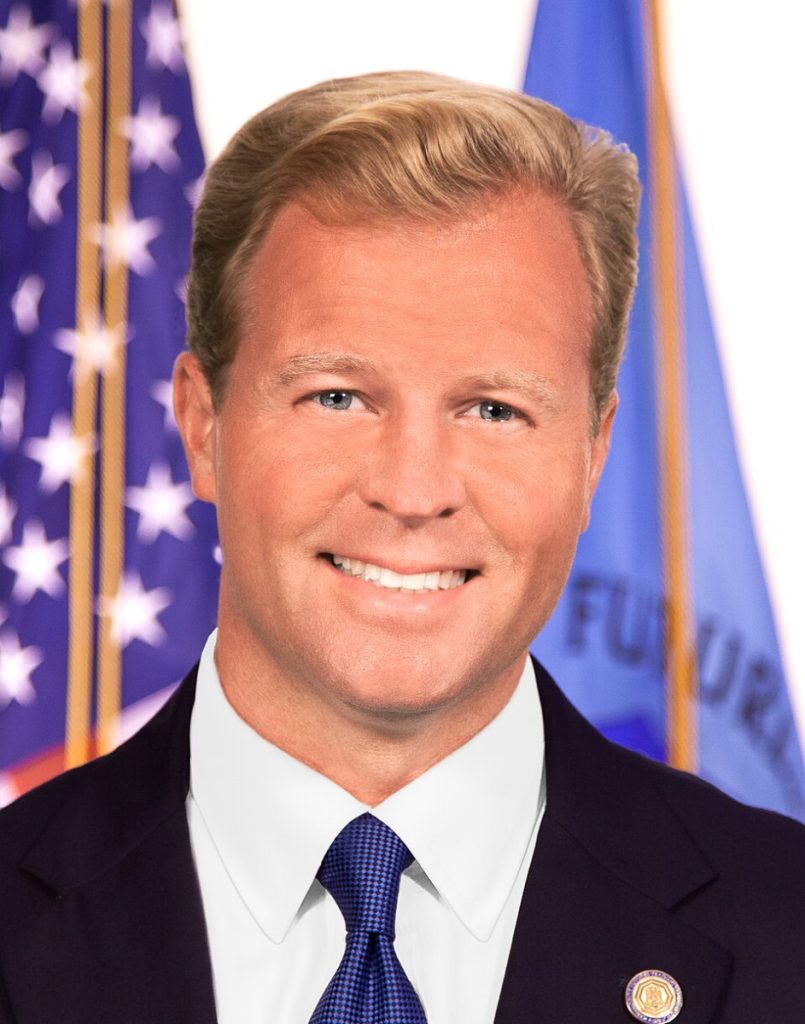
Brian Quintenz, President Donald Trump‘s nominee to head the Commodity Futures Trading Commission (CFTC), has publicly accused Gemini co-founder Tyler Winklevoss of lobbying the White House to stall his confirmation.
The accusation came in a public statement on X, where Quintenz shared screenshots of a text exchange he had with Winklevoss.
The confirmation process, which was expected to be a straightforward procedural step, was halted by the White House just before a scheduled Senate Agriculture Committee vote. While no official reason was given at the time, Quintenz’s post, published on September 11, suggests the delay was the result of a coordinated effort by the Winklevoss brothers after he refused to make a promise to them.
The private exchange which went public
According to the screenshots shared by Quintenz, the text exchange with Winklevoss occurred on July 24, just days before his Senate vote was paused. The conversation was part of a group chat titled “tw-cw-bq,” which also included Cameron Winklevoss.
In the messages, Tyler Winklevoss raised the issue of a complaint Gemini had filed with the CFTC’s inspector general. The complaint alleged that a team of CFTC Division of Enforcement attorneys had engaged in a targeted and abusive “lawfare” campaign against the crypto exchange.
The CFTC had sued Gemini in 2022 over a bitcoin futures contract, a case that was settled for $5 million in January without Gemini admitting or denying the allegations.
“Cultural reform, which includes rectifying what happened to us, should be the highest priority,” Winklevoss wrote, adding that he wanted to understand Quintenz’s views on the matter and how he planned to “align with President Trump and the Administration’s mandate to end the lawfare and make amends for it.”
In his replies, Quintenz indicated he would conduct a “fair and reasonable review” of the matter if confirmed, but he was careful to not make a firm promise. He stated that any decision or response to the complaint “should be made by and given the full weight of the confirmed chair.”
Accusations and political fallout
Quintenz alleges his noncommittal response led the Winklevoss brothers to contact President Trump directly.
He wrote in his X post, “It’s my understanding that after this exchange they contacted the president and asked that my confirmation be paused for reasons other than what is reflected in these texts.” Quintenz stated he released the private messages because he believed the president “might have been misled.”
This public feud adds a new layer to an already complex nomination. Before the text messages were released, Tyler Winklevoss had been openly critical of Quintenz, arguing he was a “bad choice” for the role. Winklevoss cited concerns over Quintenz’s past views on increasing the CFTC’s budget to oversee the crypto industry, his stance on legal liability for crypto developers, and his ties to the prediction market firm Kalshi.
The Senate Agriculture Committee has not yet rescheduled the vote for Quintenz, leaving the nomination in limbo.
In the meantime, the CFTC is being led by Acting Chairman Caroline Pham, while other key regulators have been pushing forward on crypto-friendly initiatives. The very public dispute between a high-profile nominee and prominent figures in the crypto space underscores the intense political and regulatory battles unfolding in the digital asset industry.
The perfect storm?
The public dispute also comes at a critical time for the crypto exchange.
Gemini is preparing to go public with a valuation of over $3 billion, with a scheduled debut on the Nasdaq exchange. The timing suggests that Winklevoss may have sought to resolve the outstanding regulatory issues and secure a favorable relationship with the incoming CFTC head to minimise any potential risks to the IPO.
The company has since priced its IPO above the initial range, raising $425 million amid strong investor demand