Monica Eaton, CEO of Chargebacks911, discusses the “convenience paradox” in payments with Payment Expert.
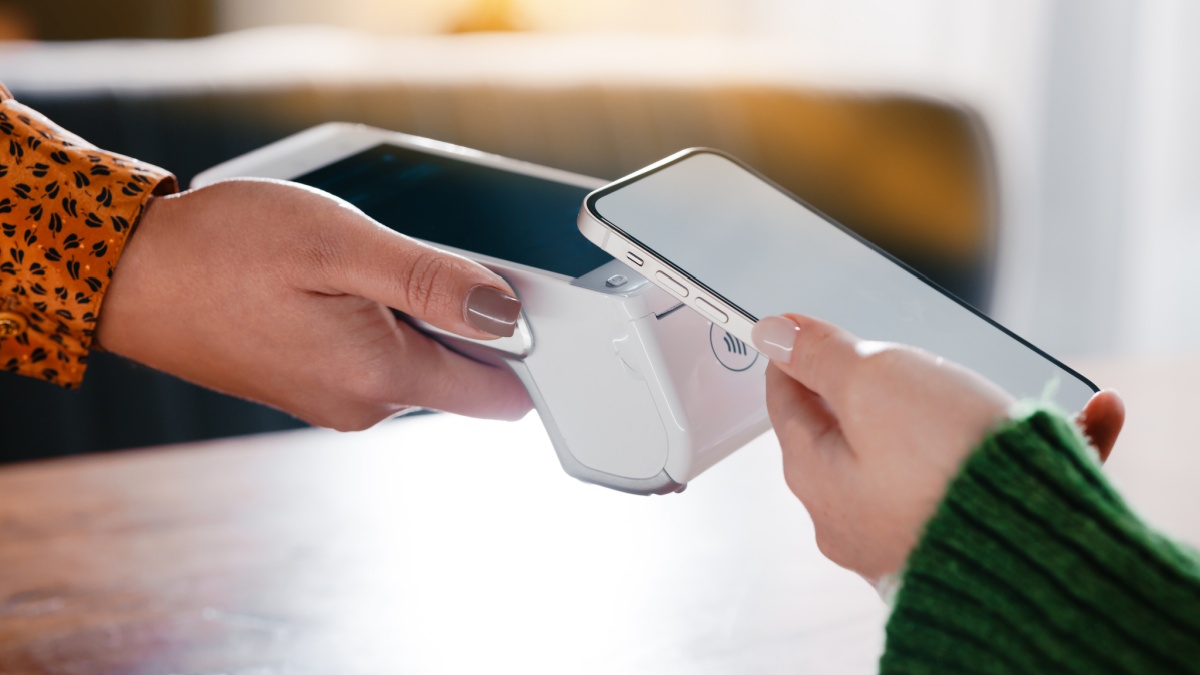
If payments held a party in 2025, mobile wallets would be the life of it. Effortless, outgoing and impossible to ignore. In true mobile wallet fashion they wouldn’t wait in line outside the venue, they’d glide straight through the door with a single tap.
However, there’s a catch. The same convenience which makes mobile payments so popular is quietly creating a new headache for merchants. When something goes wrong, more customers are skipping the merchant entirely and going straight to their bank.
Monica Eaton, Founder and CEO of Chargebacks911, calls this the “convenience paradox”.
More than half of UK adults now use mobile wallets, according to UK Finance’s latest figures. Contactless payments make up over 60% of card transactions, while Buy Now Pay Later (BNPL) has gone mainstream, with one in four UK adults using the instalment payment method in 2024.

The driving force behind this shift is the demand for instant payments, and increasingly, consumers expect the same speed when disputing a charge.
“Banks compete to deliver that speed because it matches customer expectations. The issue is that the customer-facing dispute journey has evolved much faster than the underlying processes and data exchange,” says Eaton.
“That gap is what drives frustration for merchants and repeated disputes that could have been prevented with clearer billing information, or more direct merchant resolution.”
Chargebacks911’s data shows just how wide that gap has become, with 76% of consumers preferring to resolve issues through their bank, and nearly half don’t contact the merchant at all.
This, Eaton emphasises, is where the problem grows. The easier it is to file a dispute, the less incentive there is for customers to speak to the merchant first. The incentive then grows once when a dispute is successfully charged, as consumers tend to do it again.
“The cycle feeds itself, because 88% of people say a successful dispute makes them more likely to file again. We call that the convenience paradox,” Eaton adds.
What starts as a convenience for the customer can quickly become a recurring and costly drain for the merchant.
How disputes chip away at margins
When customers bypass the merchant, the business loses both the payment and the chance to fix the issue quickly.
A simple service error becomes a formal chargeback. Even when the merchant proves the claim is invalid, they still face fees and reputational damage. For many businesses, this impact only becomes clearer once the costs begin to build.
“A fairer system starts with one simple principle: merchants should not be penalised for disputes that are proven to be invalid,” Eaton says. “Today, even when a chargeback is overturned, the merchant still pays a fee.”
“What we need instead is a structure where all parties share relevant data upfront, not after the fact. If issuers, acquirers and merchants had that visibility at the inquiry stage, a large share of friendly fraud cases could be stopped before they turn into chargebacks.”
The payments landscape isn’t slowing down and attempts by businesses to delay transactions to manage these issues are unlikely to gain support. Eaton notes the more effective path is in matching the speed of disputes with equally fast resolutions.
“The best approach is to treat convenience and control as a pair,” she says. “Keep tap-to-pay fast, but recognise that customers expect the same speed if something goes wrong.”
Eaton outlines practical steps that can help create this balance. Clear billing descriptors, recognisable brand names, dates and direct support links remove a significant portion of “unrecognised charge” disputes.
She also highlights the value of real-time resolution. Easy refund options, simple cancellation flows and alerts for unusual orders can keep customers in the merchant’s ecosystem rather than defaulting to the bank. If the issue can be solved in a few taps, it’s far less likely to turn into a chargeback.
A younger generation, a faster reflex
Another cog turning this machine is younger, digital-first shoppers. This demographic, usually characterised for its depleting attention span, demands instant results.
“Younger shoppers are digital-first and expect instant outcomes,” Eaton tells Payment Expert. “They are also more likely to experiment with subscriptions and BNPL, which raises the risk of disputes tied to forgotten renewals or stretched delivery timelines.”
Interestingly, the Chargebacks911’s CEO believes this can be partly solved by a richer user experience. She explains by putting cancellation and refund controls inside apps and sending clear reminders before renewals, a lot of this challenge can be lifted.
Describing these ideas as meeting them where they are, she adds: “This is how you turn digital habits from a risk into an advantage.”
It’s not going to get any easier
Mobile wallets are only set to grow, as UK Finance expects they’ll soon become the default way to pay, with BNPL evolving into a fully regulated credit product next year.
Looking ahead, Eaton explains this will only cause disputes to move faster, with more automation and increased real-time decisioning.
“The merchants who win will be the ones who start preparing now,” she adds. “They will log everything so evidence is instantly available, they will make their own refund paths as quick and easy as a bank’s, and they will plug into real-time networks that flag issues before they become chargebacks.
“Those are the building blocks for staying competitive in the next decade of payments.”