Payment Expert’s ID Check: Payments Professionals offers insight from industry leaders and experts on how they got their start in the financial industry, from their early years in education, to how they have been able to climb the corporate ladder.
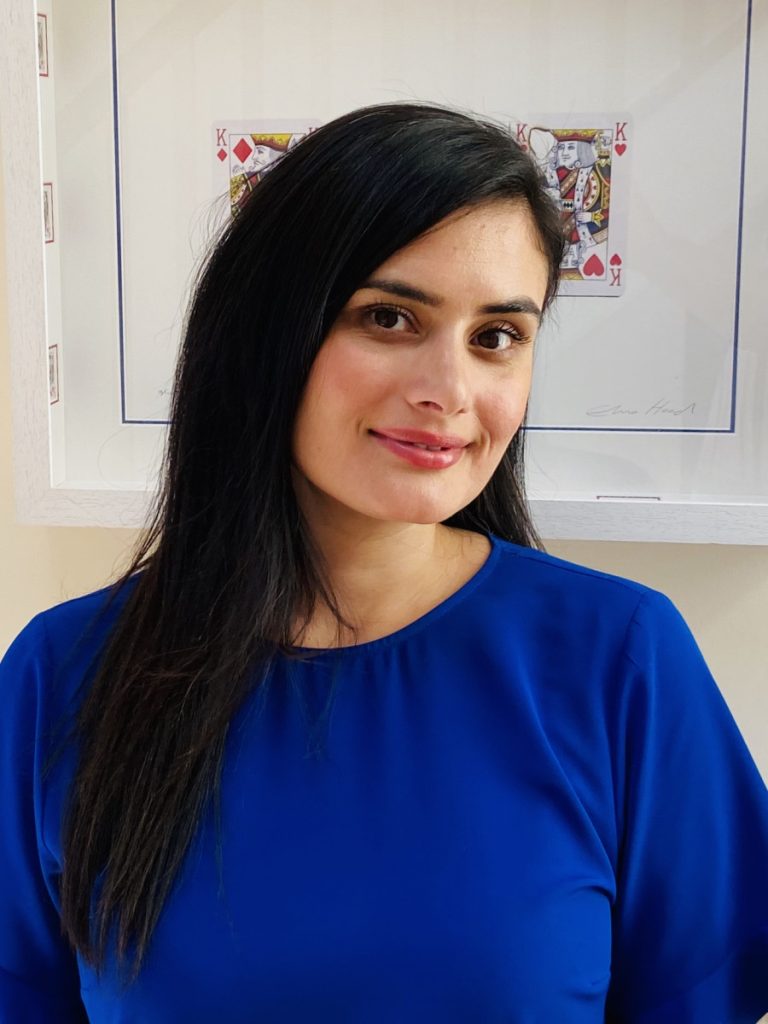
This week, Nikhita Hyett, General Manager EMEA at Signifyd, reveals her ‘unconventional path’ from journalism, interviewing the likes of Barack Obama, to carving her own path within the fintech sector, holding onto the importance of storytelling, asking the right questions and be comfortable with change.
Where did you go to university and what did you study? What impact did this have on your current journey?
I read Philosophy at University College London, which on the surface might seem worlds apart from what I’m doing now but in reality, taught me how to think critically, challenge assumptions and build structured arguments – all skills that are so important in the business world.
Were you part of any sports clubs or societies at university and has this influenced your educational and professional development?
I was part of the student union events committee at my university in London, where I helped organise everything from themed nights to days out. It was a lot of fun and looking back, it definitely helped shape my interest in leadership, collaboration, and creating experiences that bring people together.
What was the first job you had in the industry and are there any lessons from this you still draw on?
Before I made my move into fintech and payments, I was a journalist, covering everything from celebrity features to major global events like the 2008 Mumbai terror attacks. I even had the chance to interview leaders like Barack Obama and Tony Blair. It was an intense, high-pressure environment that taught me how to ask the right questions and communicate clearly, which are skills that have helped me hugely throughout my business career.
While journalism was an incredible experience, returning from maternity leave after having my first child made me realise that my passion for the work had faded. As I began to reassess what I wanted from my career, I became increasingly interested in fintech, particularly after seeing the kind of real-world impact it was having through my husband’s work.
The innovation, pace of change and the ability to work in a team to problem-solve global issues really struck me. I started learning more about the industry and soon after Global Blue gave me my first opportunity in the industry. I’ve since gone on to work with some of the most innovative players in payments, but what has stayed constant is the importance of storytelling and clarity in all areas of my job: be it selling a product, managing stakeholders or leading a team.
Who was your biggest role model – inside or outside of your industry – who continues to inspire you in your current career?
I’ve been lucky to have a few. My husband, Brad, gave me the confidence to take a leap of faith when I left journalism to move into tech. He’s the most intelligent, thoughtful and entrepreneurial person I know. His success speaks for itself, but it’s his constant encouragement and belief in me that have made the biggest impact. We co-parent equally, challenge stereotypes, and support each other’s ambitions.
My parents have also been a huge influence. They moved to the UK from India and Kenya, made incredible sacrifices, and worked tirelessly to give my sisters and me the best possible opportunities. They dismissed cultural expectations, instilled a strong work ethic, and always encouraged us to speak up and take our seat at the table.
And finally, my mentor Susan Madden. We worked together at BlueSnap, where she was the COO. She was the first person to truly take me under her wing, offering honest guidance and sharing her experiences. Her advice has helped me navigate complex decisions, and her belief in me continues to inspire me today.
When was your first big break in the industry? Why was this such a significant moment for you?
My first big break came when I made the transition from journalism into tech. It was a bold move into unfamiliar territory, but it turned out to be the most important decision of my career. I joined a fast-growing payments company at a time when the industry was evolving rapidly.
That experience gave me a front-row seat to the pace of innovation in digital commerce, and it showed me how much I enjoyed working in a space that combined problem-solving, customer experience and scale. It laid the foundation for everything I’ve gone on to do since.
Was there a moment you faced in the industry that really challenged you? How did you overcome this?
Starting a new role during the pandemic was made even more challenging by the sudden shift to remote working and demands of having your children attend school from home. Like I’m sure it did for many other parents, this sudden change pushed me to juggle personal and professional responsibilities in ways I hadn’t anticipated.
Fortunately I had a strong team both at home and at work, and a clear sense of purpose that gave me the ability to to be resilient and empathetic – qualities that I still draw on years down the road.
What are some of the skills you deem essential to starting in your industry and how have yours developed over the years?
Being able to communicate with clarity and confidence is invaluable. You don’t have to have studied finance or tech at school or even have work experience in order to break into the industry. Complexity can often cloud the value of what we do, so the ability to distill ideas and ask the right questions can set you apart.
Other skills that I see as being very helpful, in payments and beyond, is curiosity and commercial awareness. Payments is a fast moving space and you need to be comfortable with change and be proactive in learning about the new technologies and regulations that might emerge.
Over the years, I’ve also come to value leadership and empathy; understanding how to motivate and support people is just as important as understanding the market.
Lastly, what is some advice you would give to an aspiring person looking to get a start in your respective industry?
Don’t be afraid to take an unconventional path. I didn’t start my career in fintech or payments but the skills and networks I developed during my time in journalism gave me an edge.
You’ll hear this time and time again, but the fintech and payments industry is such a dynamic space that has a need for people from different backgrounds and who bring different kinds of expertise to the table.
So, whether your background lies in journalism, design, engineering or somewhere else entirely, focus on what you bring to the table, stay curious and trust that no experience is wasted.