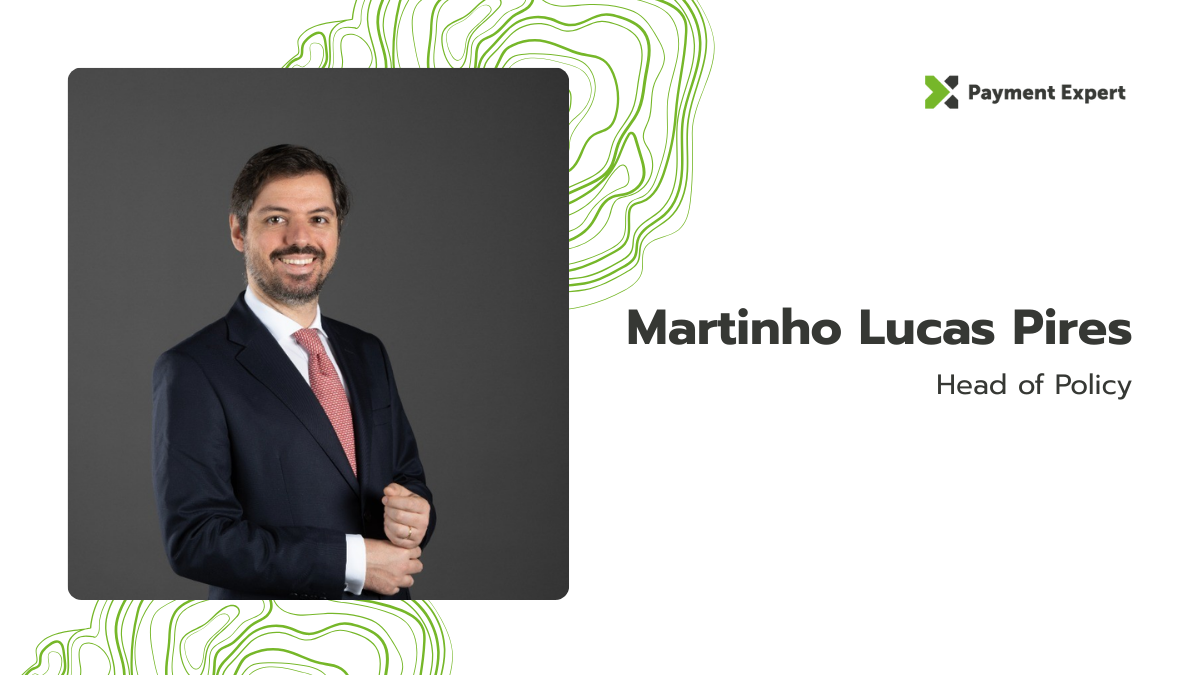
Martinho Lucas Pires says the EU must let go of legacy interests and embrace a more open, competitive payments future.
A man is waiting at a bus stop, listening to music on a familiar old device. Another commuter asks him what it is.
“A Walkman,” he replies. “It’s got all my favourites and has treated me well for years.”
The Walkman still works, but it can’t stream, it can’t shuffle and it certainly can’t keep up with how the world listens to music today.
While the analogy may be lighthearted, Europe faces a similar risk if it continues clinging to outdated financial infrastructure rather than embracing the full potential of open banking.
That’s the view of Martinho Lucas Pires, Head of Policy Affairs at the Portugal Fintech Association (PFA), who spoke to Payment Expert ahead of his appearance at this year’s SBC Summit in Lisbon.
Challenges of change
“I think the biggest obstacles to a decentralised financial ecosystem are legacy financial institutions that provide many different services to a large clientele and do not want to risk losing market share through open banking,” says Pires.
He highlights that while fintechs and public institutions largely support open banking as a driver of innovation and competition, traditional financial players tend to view it less favourably.
This tension has been reflected in the mixed outcomes of PSD2, Europe’s flagship open banking regulation, where technological issues and resistance from incumbents have hindered connections between service providers and banks or electronic money institutions.
“We are still far away from genuine interoperability across markets. At least in the EU. The important thing is for local market interests to be put aside,” says Pires.
“Interests from local payment infrastructures is what is limiting access to the market from other operators and players.”
He adds that supervisors and policymakers have a crucial role to play, but their focus on financial stability and fear of contagion often leads them to side with local institutions, adopting a conservative stance that slows innovation.
Asked how regulators can approach this challenge without stifling progress, Pires says the answer lies in proportionality. “Regulators should be able to balance between protecting financial stability while allowing markets to develop in a more competitive form, and innovation is key for competition.”
Are open banking’s promises working?
Open banking is often celebrated for giving consumers greater financial control, but what does that really mean in practice? According to Pires, control is only meaningful when it’s built on a foundation of trust that spans every level of the system.
“There can be no control without trust, and trust must be guaranteed at all levels and layers of the commercial relationship – service layer, technological layer, and legal layer,” he adds.
“There will always be some degree of intermediation, and so it is important for regulations to exist, guaranteeing that the rights of users are protected.”
This trust is essential, especially as open banking seeks to deliver on one of its biggest promises of financial inclusion. However, Pires warns that Europe still risks limiting the benefits of open banking primarily to those already connected to the financial system.
“My fear is that open banking shall remain a promise and a mere tool for the already banked,” he says. “The discussion in Europe is mostly focused on competition, efficiency and customer experience, and not in terms of inclusion.”
He notes concerns about increased risks and financial literacy challenges contribute to this cautious approach. However, regions like Latin America and Africa often view open banking as a key driver for bringing underserved populations into the economy.
What needs to change
As innovation in payments accelerates, regulation often struggles to keep pace. When looking ahead, Pires highlights three core principles policymakers must prioritise to unlock open banking’s full potential without compromising the financial system.
“Interoperability, accessibility and accountability — for me these three principles should be high on the list,” he says.
But it is accountability that will ultimately determine whether open banking is more than just “another interesting policy promise,” Pires warns. “If there aren’t good accountability mechanisms, then it will be just another promise and there will be no change to the status quo.”
Building this accountability requires ongoing dialogue between regulators and industry players. Pires suggests creating forums, sandboxes, or innovation labs as vital spaces for collaboration, where both sides can learn from each other and shape balanced policies.
He points to initiatives like Fintech Solutions, which actively bridges fintechs with institutional players, as positive examples of how the market can develop through partnership rather than isolation.
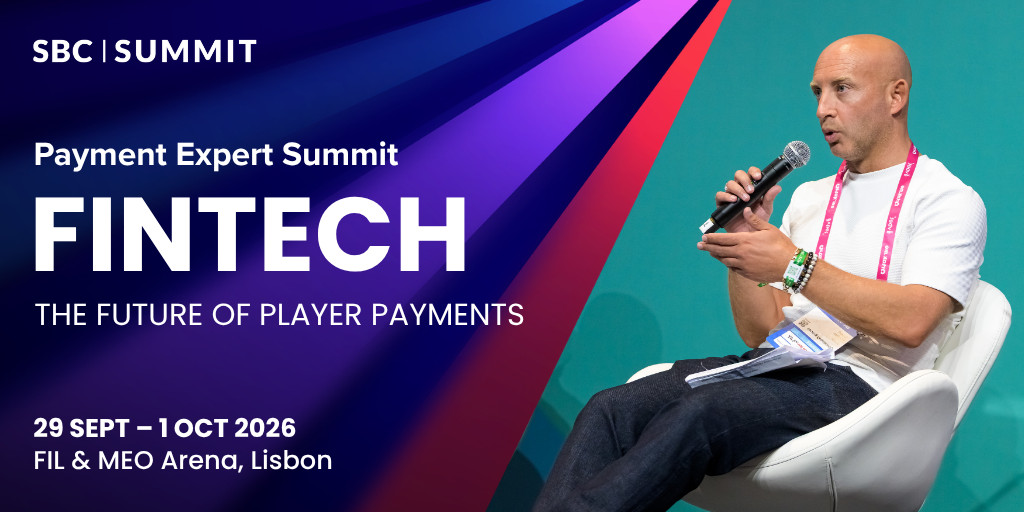
Martinho Lucas Pires will be speaking on a panel at the SBC Summit, where he will explore these trends.
“We are at an important junction in payments, where policy promises and their potential must come to fruition so that the industry and its clients can benefit from a new level of innovation,” he says.
“The message I want to bring is simple: believe in new things, help build them, test them, and see their benefits. In the end, we can all win.”
SBC Summit will take place from 16–18 September at the Feira Internacional de Lisboa and MEO Arena, bringing together 30,000 industry stakeholders for an unmissable three-day experience.
Looking to attend? Here’s how:
- Secure your place with a VIP Event Pass – Enjoy full access to all conference sessions, the exhibition floor, exclusive networking events, and complimentary food and drink throughout the summit.
- Bringing the team? Take advantage of our Group Pass Discount — purchase three or more VIP Event Passes and pay just €400 per ticket (saving €200 off the standard price).
- Operator or affiliate? You may be eligible for a complimentary VIP Event Pass, which includes full access to the exhibition, conference, and exclusive networking events. Apply now to reserve your spot.
- Expo+ Pass: Gain access to the full exhibition floor and all conference sessions across the three days. This does not include access to our exclusive VIP evening networking events.