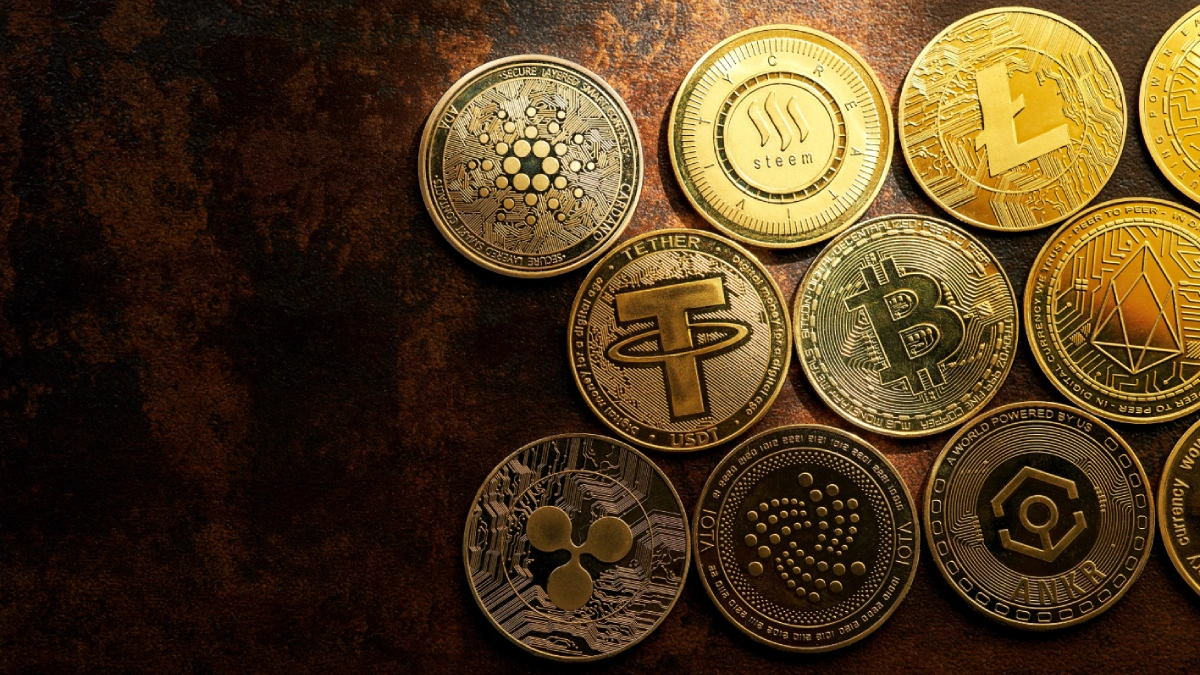
We are living in a multi-currency world, that may be nothing new. But the arrival of digital currencies in the form of stablecoins, cryptocurrencies and central bank digital currencies have blurred the boundaries of what can be possible for cross-border payments.
So how are modern day financial entities managing to handle fiat and digital currencies simultaneously, and what challenges and opportunities does this convergence bring?
Kebbie Sebastian, CEO of Merge, spoke to Payment Expert on the complexities of integrating payment rails that support digital currencies, alongside fiat, and how this could change cross-border settlement for years to come.
Payment Expert: What continues to be some of the boundaries companies face when attempting to build a multi-currency payment solution?
The three things I would call out are:
- Regulation: Every country has different, complex, and changing rules. Navigating this is hard and expensive.
- FX risk: Exchange rates can move fast, so companies need strong tools and expertise to manage this in real time.
- Operational complexity: Handling multiple currencies adds accounting and settlement challenges that require experience to avoid costly errors.
PE: With digital currencies, particularly stablecoins, exploding in interest this year, why should a merchant or payment service consider adopting stablecoins as a form of payment or currency to receive funds?
Stablecoins enable faster, cheaper, and more transparent payments, especially valuable in emerging markets where they improve access and financial inclusion. While still evolving in major economies, stablecoins already provide a flexible, borderless alternative for hard-to-reach markets.
For payment service providers, stablecoins are helpful with inter company liquidity management because it helps them meet their payment obligations without being hampered by traditional banking hours, weekends and bank holidays.
PE: While stablecoins have been lauded for their cross-border capabilities, is there still friction from the infrastructure integration process, as well as caution from businesses?
Yes, there is still some friction. While stablecoins reduce settlement time and costs, businesses remain cautious due to regulatory uncertainty and the need to integrate with existing treasury, accounting, and banking systems.
That’s exactly where Merge comes in — we help remove this friction by providing compliant, integrated infrastructure that makes it easy for businesses to adopt stablecoins without overhauling their current processes.
PE: Has Merge identified any differences within the APIs it uses to support fiat and digital currencies?
Yes, we have identified differences. The core functions — like payment initiation and reconciliation — are similar, but digital currencies require additional APIs for wallet management, blockchain settlement, and on/off-ramping to fiat.
Merge abstracts these differences so clients can access both fiat and digital rails through a single, unified API, simplifying adoption and integration.

PE: Do you believe fintechs, like yourself and Revolut, have fostered new adoption rates for digital currencies and how likely in the future until we see fintechs issuing their own native digital currencies?
We’re already seeing fintechs and institutions issue their own stablecoins — J.P. Morgan, PayPal, and Paxos are good examples – each with different models. Institutional support has created momentum for broader adoption.
At Merge we help businesses use any stablecoin or payment method they choose by providing the underlying infrastructure. The future depends on making it easy for businesses to connect to this growing ecosystem, and that’s exactly what Merge is building.
PE: What does the future relationship between fiat and digital currency look like? Can both coexist side by side? Or will one usurp the other in usage?
I think fiat and digital currencies will work in tandem. That is the ethos behind Merge, providing access to local banking infrastructure via local instant payment rails and accounts while merging them with stablecoins so that businesses can benefit from the upside of stablecoin cross-border payments.