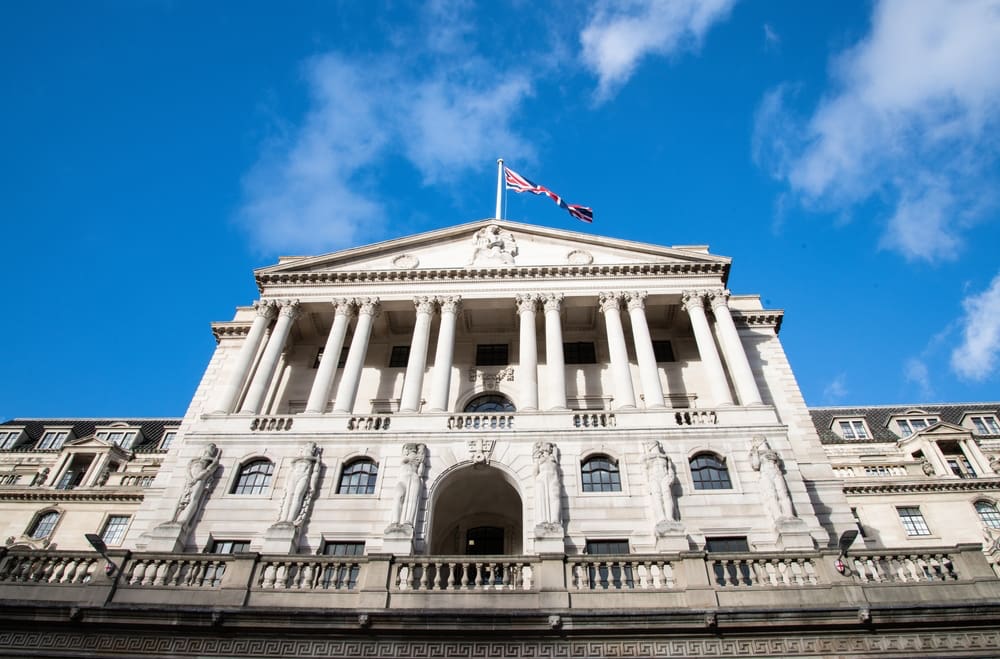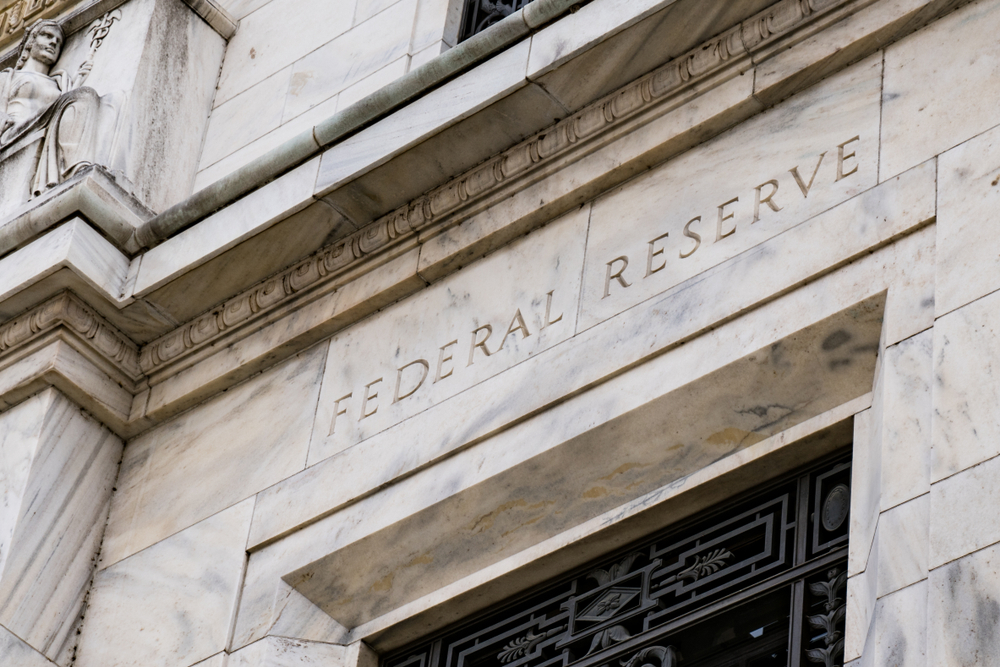
The US Federal Reserve has officially transitioned to the ISO 20022 messaging standard, bringing its Fedwire Funds Service (Fedwire) in line with global financial infrastructure and marking a major milestone for modernising the US payment ecosystem.
After multiple delays dating back to 2023, the Fed confirmed today (July 14) that this is the definitive migration to ISO 20022 for institutions transacting with US government bodies, agencies, and counterparties. The update now mandates the use of the XML-based format for high-value domestic and cross-border payments routed through Fedwire.
Commentators have described the move as the Fed’s “Big Bang” upgrade — a technical yet transformative shift that paves the way for future innovations, including blockchain-based settlement and tokenised asset systems. The upgrade impacts trillions of dollars in payments and settlements, and brings the US into alignment with jurisdictions such as the Eurozone (TARGET2) and the UK (CHAPS), both of which completed their own migrations in 2023.
Aligning the plumbing of global finance
Developed by the International Organization for Standardisation (ISO) and maintained by central banks worldwide, ISO 20022 is often referred to as the “global language of financial messaging.” It enables richer, more structured data across payment, securities, FX, and trade finance transactions — improving accuracy, compliance, and automation.
The Fed’s migration required significant coordination across US banks, clearing houses, and foreign financial institutions, many of which still rely on legacy systems and bespoke compliance processes. The extended rollout included a grace period during which legacy MT formats coexisted with the new ISO syntax, giving institutions time to adapt, but also revealing weaknesses around message translation, data fragmentation, and regulatory inconsistency.
While the migration does not visibly affect consumers, banking apps, ATMs, and card terminals remain unchanged, it is far more consequential behind the scenes. For financial institutions, ISO 20022 is seen as a vital step in modernising the infrastructure of global finance and improving cross-border interoperability.
Future-proofing the financial system
The Fed’s new messaging platform is expected to unlock a range of use cases, from enhanced compliance and sanctions screening to real-time liquidity forecasting. It also establishes the groundwork for interoperability with blockchain and digital asset networks, aligning the US more closely with next-generation financial infrastructure.
Yet the migration itself is not the final goal. According to KPMG, one of the Big Four audit firms advising clients on ISO 20022 readiness, true value lies in implementation.
“The standard enables richer data exchange, but only if all parties in the payment chain are prepared to consume and interpret that data correctly,” said Shen Lee, Director at KPMG’s Corporate Treasury Advisory.
To support the transition, KPMG has published implementation guidelines detailing the operational and data architecture changes needed across treasury and finance teams. These resources aim to help firms minimise disruption, increase automation, and ensure compliance with the enriched messaging formats.
No time for complacency
KPMG and others have cautioned against reliance on interim solutions, such as MT-MX converters, which can lead to truncated data, reconciliation delays, and missed compliance risks, particularly in high-value and complex workflows. Institutions that fail to upgrade internal systems may undermine the very benefits ISO 20022 was designed to deliver.
The FED’s adoption of ISO 20022 should be welcomed as a long-overdue upgrade to a global standard but its no paradigm shift for the payments sector. For consumers, little will change as banking apps, card terminals and ATMs will continue to function as normal.
For financial institutions, however, the move is far more consequential. Industry stakeholders view it as an essential step in modernising the plumbing of global finance: a cleaner, more structured foundation that promises better data, smoother cross-border transactions, and improved compliance.
The litmus for ISO 20022 won’t be the size of the changeover, but what comes next. Whether institutions can translate this technical upgrade into genuine innovation remains to be seen.
Until then, pragmatism, not hype, will be the guiding principle for US adoption.