Buy now, pay later (BNPL) provider Klarna has placed its US initial public offering (IPO) on hold due to market reactions following President Donald Trump’s tariffs.
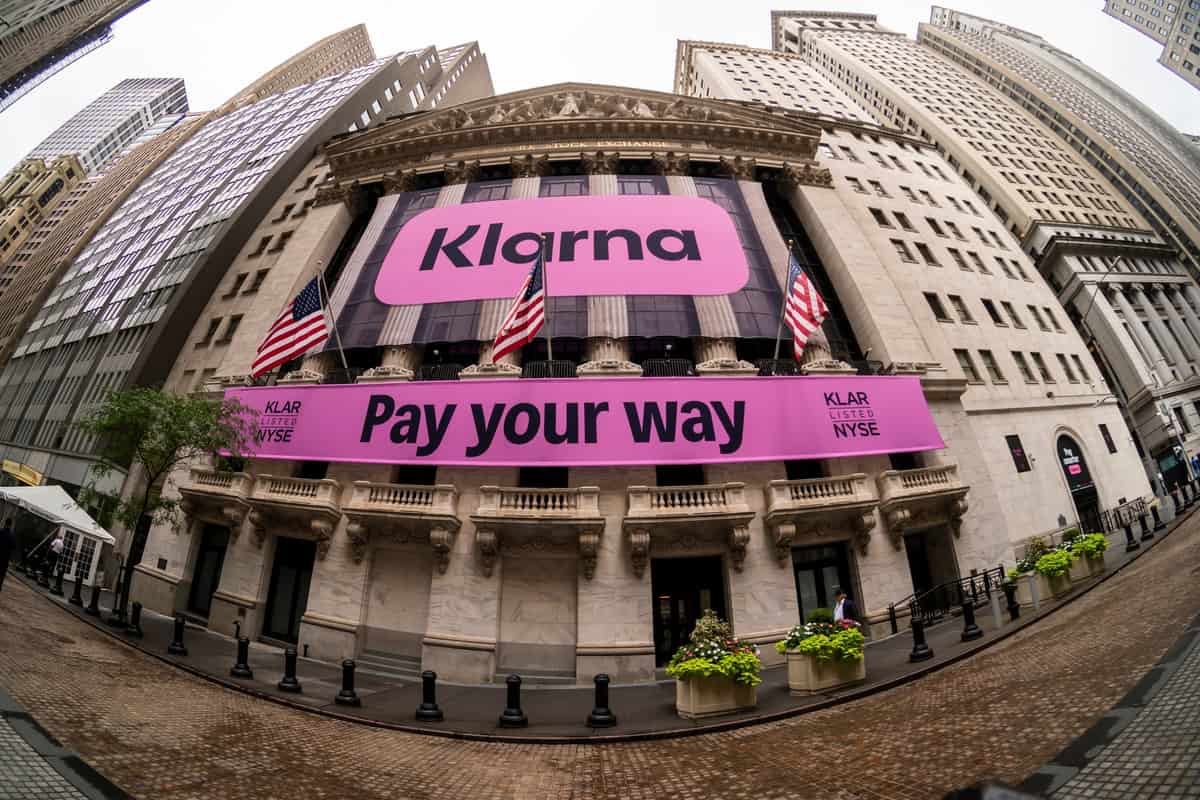
The Swedish fintech was aiming for a valuation of over $15bn with its IPO on the New York Stock Exchange. However, its planned roadshow ahead of the IPO has been paused due to the current market instability, as reported by the Wall Street Journal.
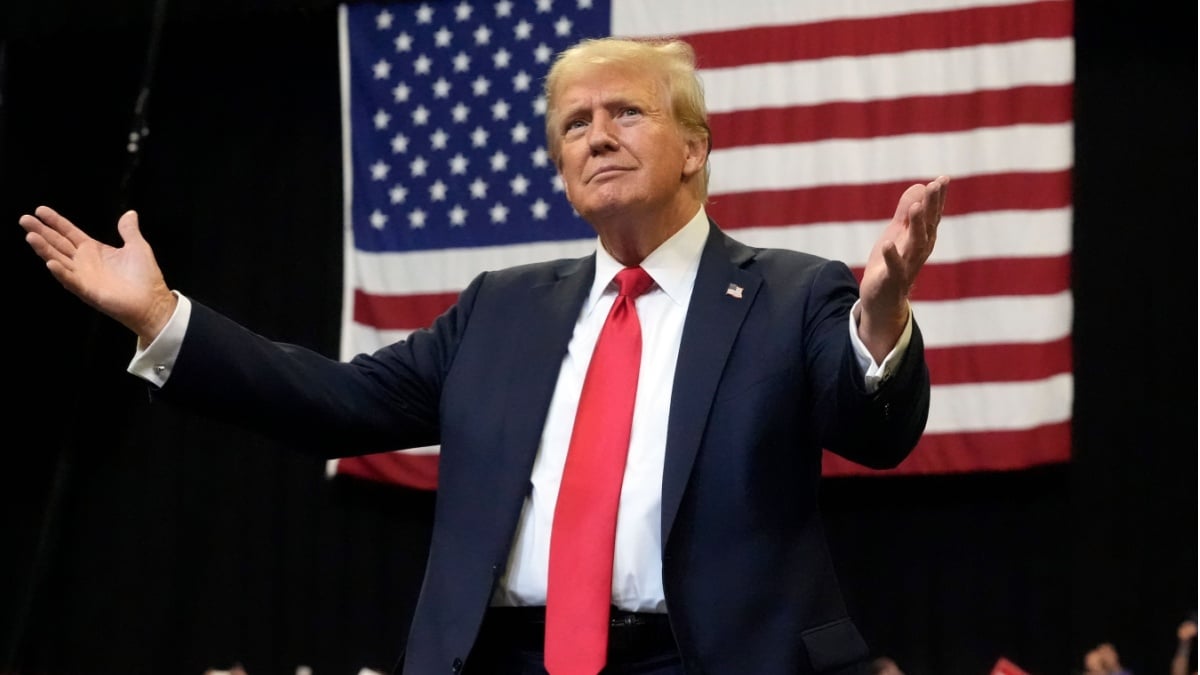
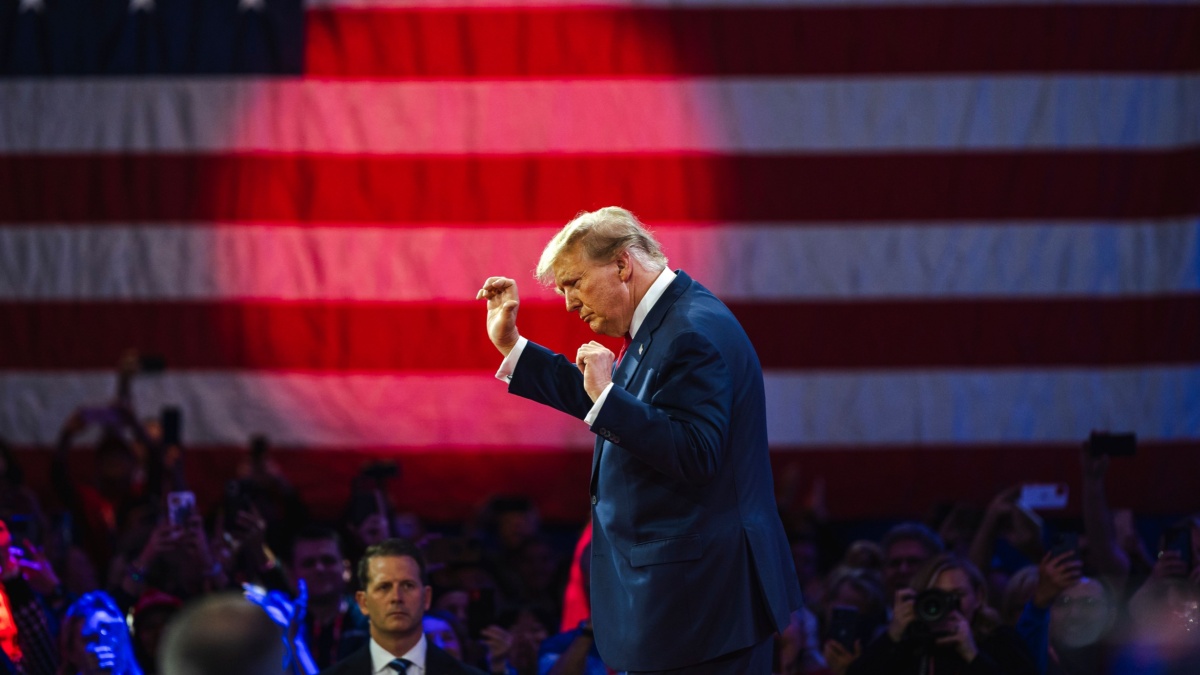
According to sources close to Klarna, the decision to delay was influenced by the impact of Trump’s global tariffs, which were introduced on 5 April, placing a baseline 10% tariff on several countries.
These tariffs have raised concerns about a potential trade war, leading to an unstable market. As a result, Klarna deemed the timing unsuitable for its IPO. The sources indicated that Klarna could reassess its decision if market conditions stabilise.
Trump’s actions haven’t only affected Klarna, however. StubHub, a ticketing marketplace, and Medline, a biomedical database, have also paused their US IPO plans due to market turbulence.
Time to rethink its decision?
Klarna has grown to become one of the leading players in the BNPL sector, boasting over 93 million active customers and operating in 26 countries. The firm has partnered with several large companies, including Uber, Stripe and Lenovo.
The UK, which had hoped for Klarna’s IPO to take place there, was left disappointed by the company’s choice to prioritise the US. This decision comes at a time when Prime Minister Keir Starmer is focused on revitalising the nation’s economy, which needs foreign investment.
Many in the US hope that this would lead to other large fintechs following suit, with Monzo and Revolut yet to decide and looking more likely to select the US over the UK.
While some may hope the UK can convince Klarna to reconsider its decision, this seems to be just a minor setback.
One major factor behind Klarna’s decision to focus on the US is its recent interest in embracing crypto. With Trump pushing to make the US the global crypto hub, it would take a lot for the UK to sway the Swedish company’s focus.