The US continues to regulate BNPL through a fragmented mix of state requirements that vary widely across the country.
The American Fintech Council has urged Oregon to rethink its proposed buy now, pay later (BNPL) regulations.
Last month, the Oregon Department of Consumer and Business Services, Division of Financial Regulation, put forward Bulletin No. DFR 2026-X, explaining existing state lending laws apply to BNPL products regardless of how they are structured or marketed.
The state joins several others that have bundled the sector into existing lending regulations rather than created BNPL-specific legislation, unlike New York and Illinois, the only two states currently to have done so.
Under the proposed rules, loans of $50,000 or less with repayment terms of 60 days or less fall under Oregon’s Payday Loan Law and loans with periodic payments extending beyond 60 days are subject to the Consumer Finance Act.
The American Fintech Council criticised the rules, arguing that the approach creates uncertainty and fails to understand how responsible BNPL products actually work.

“As Oregon considers the best way to regulate BNPL products, we urge policymakers to consider a regulatory approach that accurately reflects the realities of today’s financial landscape, as well as the features of BNPL products,” said Ian P. Moloney, Chief Policy Officer of the American Fintech Council.
“Oregon’s approach to BNPL regulation should be guided by a thorough review of existing statutes, recognition of the inherently unique structure of BNPL, and meaningful engagement with stakeholders before new compliance obligations are established.”
Providers warning against a one-size-fits-all approach are nothing new for the sector. In May 2024, the Consumer Financial Protection Bureau (CFPB) under the Joe Biden administration issued an interpretive rule treating BNPL accounts as credit cards, which firms including Klarna stressed was inappropriate given the differences between the products.
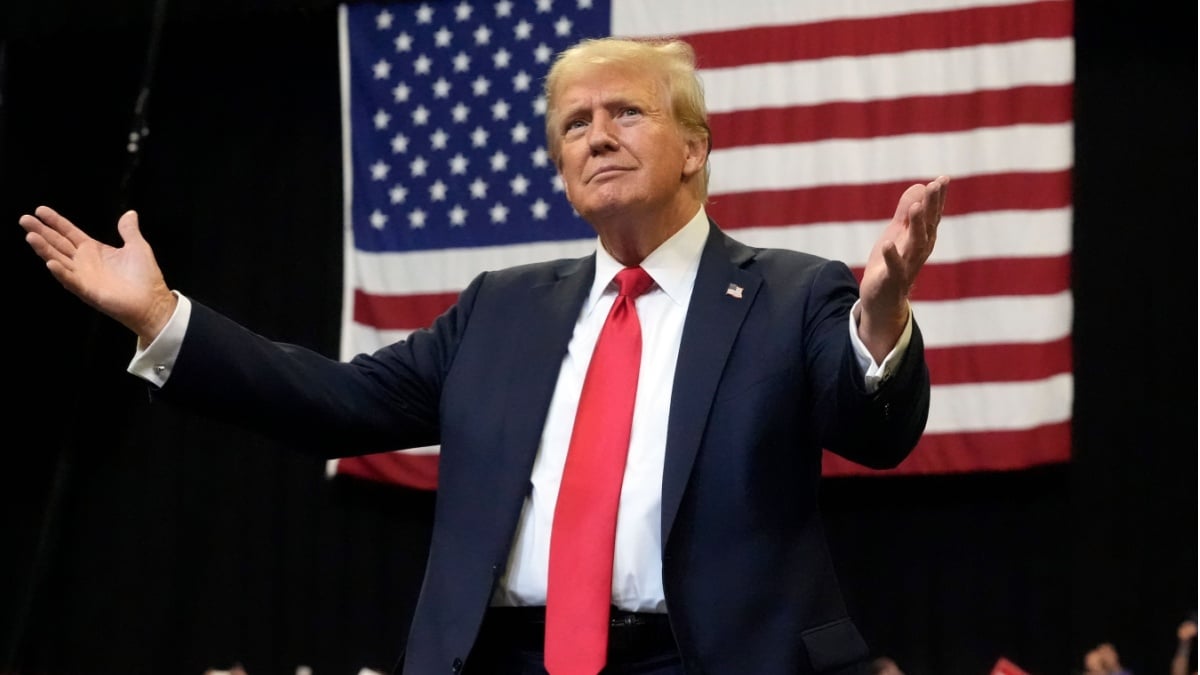
The Donald Trump administration reversed course in May 2025, confirming the CFPB would no longer prioritise enforcement of the rule. With federal oversight paused, states have been left to decide their own approach.
How US states regulate BNPL
Illinois signed the Buy-Now-Pay-Later Loan Consumer Protection Act into law on 25 June 2026, becoming the second state to enact a tailored regulatory regime for BNPL products.
The law, which must be complied with from January 2028, covers lenders, arrangers, agents and servicers, and includes anti-evasion provisions targeting structures that aim to circumvent the Act through bank-fintech partnerships.
“Strong protections for Buy Now, Pay Later loans are important, especially as these loans are being used for everyday expenses like groceries, and are being pitched for vital necessities such as rent,” said Lauren Saunders, senior attorney at the National Consumer Law Center.
“As buy now, pay later loans become ubiquitous, we’re pleased to see the Illinois legislature, led by Senator Michael Hastings, step up to fill gaps in federal and state protections, especially with the dismantling of the CFPB.”
New York published its proposed rules on 15 July, building on legislation enacted as part of the state’s FY26 budget.
The proposals cover licensing, underwriting, fee limits, disclosures, billing disputes and data consent, with interest capped at 16% per year and penalty fees limited to $8 unless regulators approve a higher amount.
Comments are still open in the state and are due by 14 September, with the rules taking effect 180 days after adoption.
Other states like Texas and Florida address BNPL through existing instalment lending frameworks with no product-specific rules. California requires certain providers to obtain lending licences but has no specific BNPL rulebook.
This patchwork of regulations, which isn’t necessarily new for the US, makes it difficult for BNPL providers to navigate the country.