DBS will run vaulting, issuance and settlement in-house – infrastructure that could carry far more than gold once the tokens go live in H2 2026
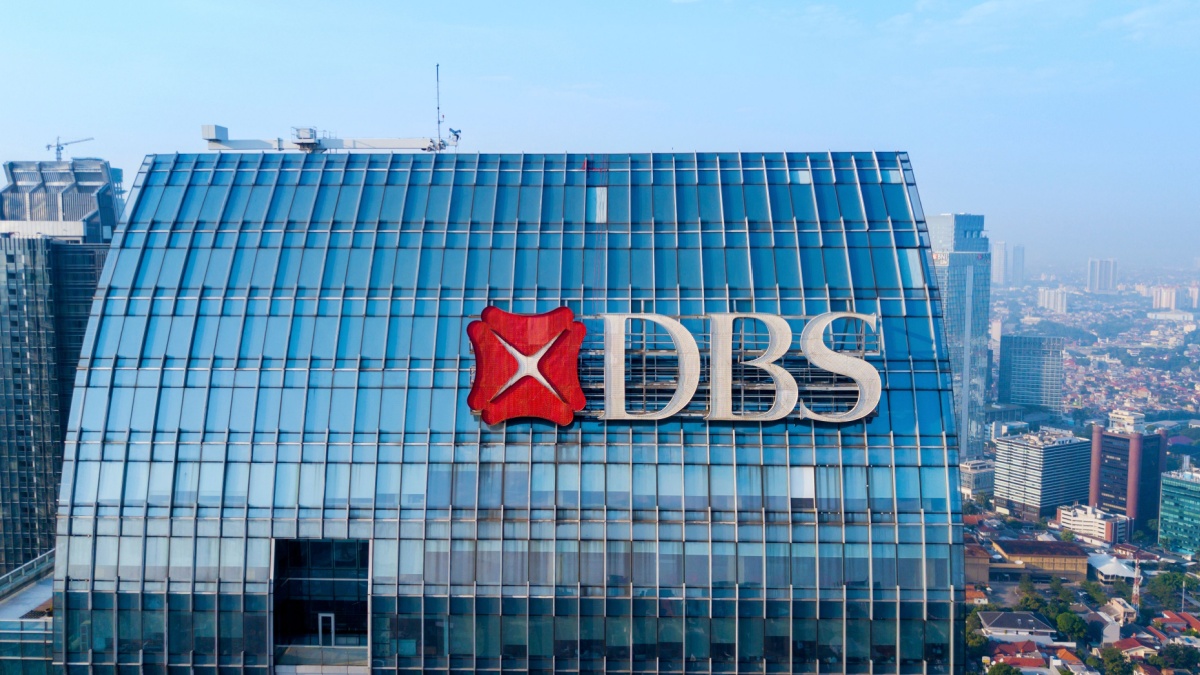
Singapore’s biggest bank by assets, DBS, will offer tokenised physical gold to retail customers in Singapore from the second half of 2026, with each DBS Physical Gold Token backed by one gram of bullion held in a dedicated vault in the city-state.
The tokens will be available through the bank’s digibank app, and DBS says the product is the first in Singapore to let retail customers digitally access, hold and trade tokenised physical gold through a single platform.
At the time of the announcement on 11 June, one gram – and therefore one token – was worth around S$200 ($155), roughly the cost of a good dinner in the city-state and a long way down from the price of a kilobar.
DBS will vault the gold and tokenise, issue, distribute and manage the tokens entirely in-house, keeping custody, issuance and settlement under one roof rather than splitting them across third parties.
A bank that can issue, settle and redeem a token against a vaulted asset inside its own consumer app can do the same for whatever asset comes next, at a fraction of the build cost, a capability which DBS has been assembling.
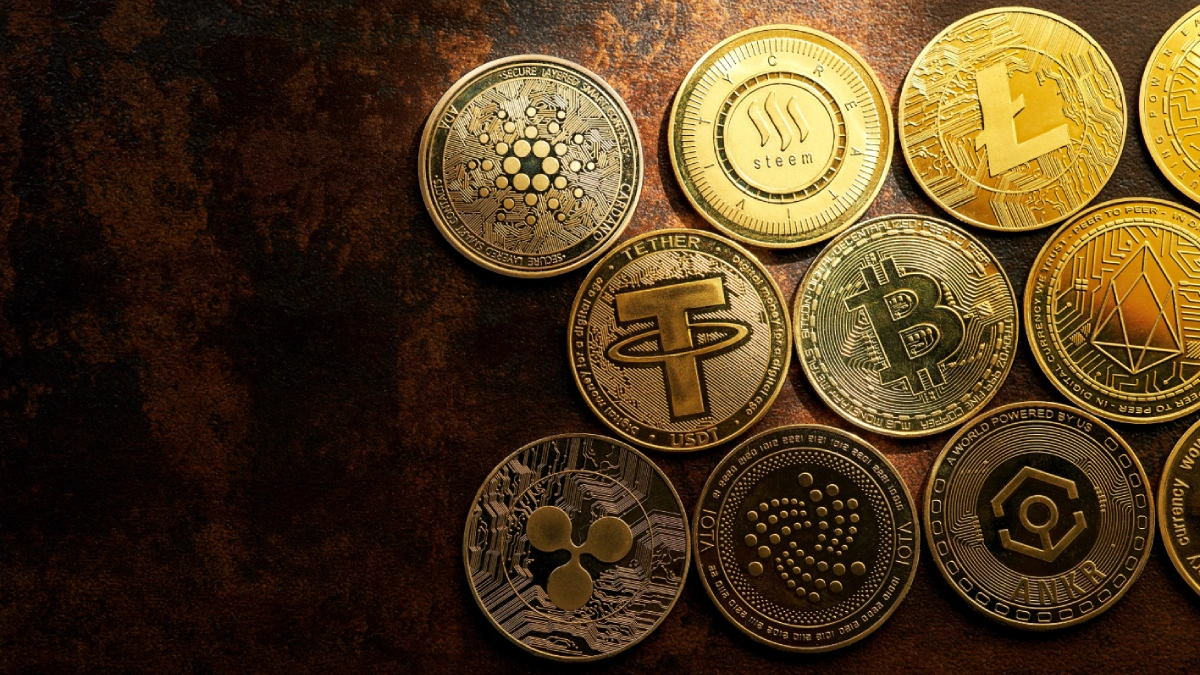
In 2025 it tokenised structured notes on the Ethereum public blockchain, partnered with Kinexys by JP Morgan on cross-border settlement of tokenised deposits, and listed sgBENJI – the token of Franklin Templeton‘s tokenised money market fund – alongside the Ripple USD stablecoin.
The bank is also exploring a listing of the gold token on its DBS Digital Exchange for accredited investors and institutional partners.
Tokenised gold: Who got there first?
DBS is not the first bank to do this. HSBC put tokenised gold for retail customers in Hong Kong in March 2024, billing it as the first such retail product issued by a bank, with the metal in its London vault. Local rival OCBC launched its GOLDX tokenised gold fund in April 2026 on Ethereum and Solana, though aimed at institutional and accredited investors rather than the mass retail segment DBS is chasing.
In March 2026, Singapore set out plans in March to build itself into Asia’s gold trading hub, and a homegrown bank selling tokenised bullion to the public hands the government a retail-facing example to point at. Spot gold touched a record $5,600 an ounce this year before falling to $4,111.95 on 10 June, according to Reuters, its lowest since late March and down 27% from its all-time peak.
Physical gold has historically been the preserve of wealth clients and institutions, with retail investors steered towards funds, ETFs or jewellery.

DBS has offered physical gold investments to wealth clients since 2013, and the bank says those holdings have more than doubled over the past three years. Token holders will be able to buy fractional amounts, trade at any hour, and – should the mood strike – redeem for the metal itself.
“Gold as an asset class has taken off in recent years,” said James Tan, DBS Group Head of Investment Products and Advisory Services, adding that tokenisation would allow more retail customers to invest in it.
After gold, then what?
Tokenisation is firmly on the product roadmap for many financial institutions now, and gold suits the model unusually well: it sits in a vault, doesn’t depreciate, and divides neatly into grams.
Treasuries, money market funds and private credit are already well along the same path, and the ECB has set out its own roadmap for tokenised financial infrastructure in Europe. Fine wine, whisky casks and art have drawn early platforms but no major bank product.
There remain some, as of now, completely untokenised assets – commercial property income streams at retail scale, music and sports media royalties, carbon credits with credible verification, even infrastructure such as airport slots or port capacity – assets where ownership is real but access is locked behind paperwork and intermediaries.