January 29 has now been earmarked for the Senate Agriculture Committee’s markup but may prove to be difficult to pass without the Democrat support.
The vote on the US CLARITY Act has hit its latest roadblock after the Senate Agriculture Committee delayed its latest legislative markup due to a storm impacting the US’ East Coast.
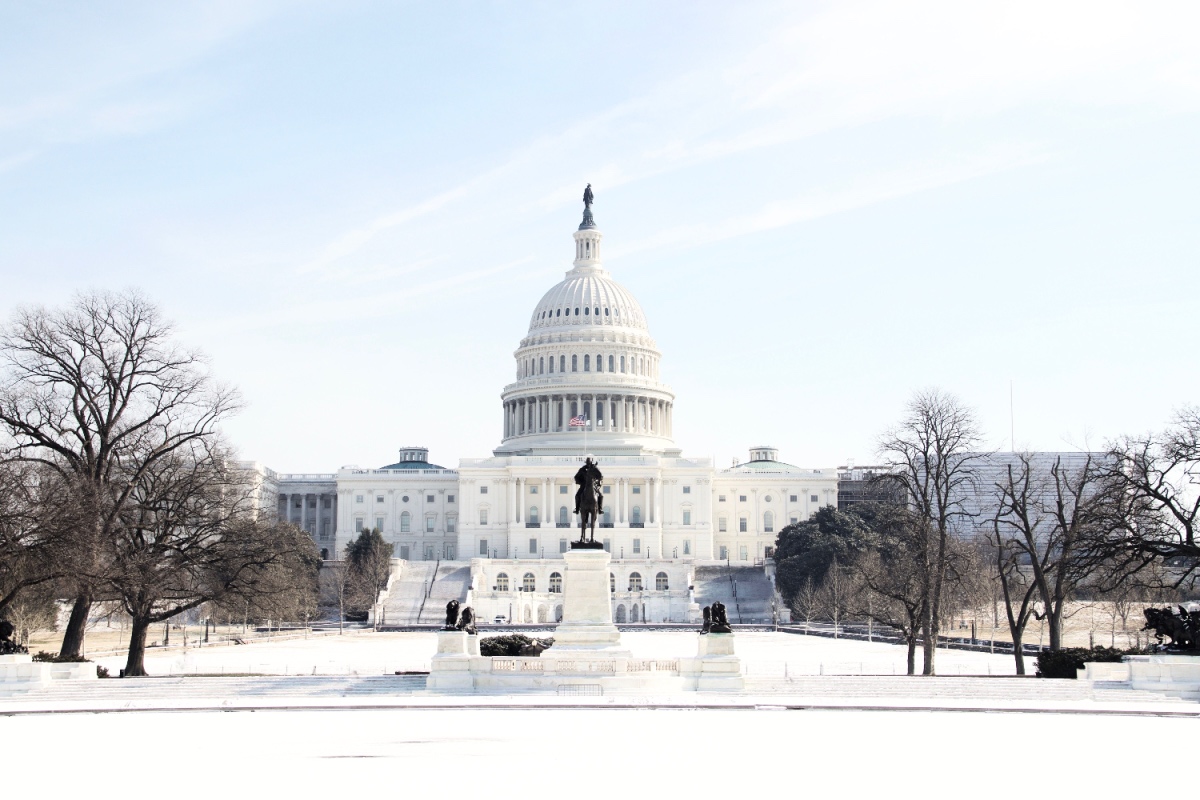
The Committee had originally planned to table its markup today (January 27), but has now pushed this to January 29 due to the major snowstorm affecting travel to and from Washington DC.
The added two days also enable the Committee to draw up amendments to gain support from Committee’s Democratic members, although this appears unlikely as a Senate source told Decrypt the latest markup is “99% likely” to receive zero support from Democrats.
Committee Chair John Boozman announced on January 21 it was progressing with markup plans despite differences on “fundamental policy issues”. There still remains no bipartisan support for the Committee’s CLARITY Act draft.
As the Agriculture Committee provides oversight over the Commodity Futures Trading Commission (CFTC), the January 29 vote could prove to be a pivotal moment in the progression of the CLARITY Act.
Two bills are currently being proposed and debated inside the Senate; legislation for the CFTC’s oversight of digital assets treated as commodities, handled by the Agriculture Committee, and legislation for the Securities and Exchange Commission’s (SEC) oversight of digital assets treated as securities, handled by the Senate Banking Committee.
The Agriculture Committee’s Republican-backed proposal aims to provide greater regulatory powers to the CFTC over the SEC. The Committee is seeking for the CFTC to hold “exclusive” powers over spot market trading.
Senator Kirsten Gillibrand recently told CNBC she is “very optimistic” a bipartisan agreement can be made.
“I think Senators on both the banking and ag (agriculture) committee are working in a bipartisan way and in good faith. I do believe we will reach a resolution, it is very important for the US economy that we have rules for the road in this industry.
“I am optimistic that for each of the issues that are outstanding, and there are a handful of them, we will find appropriate and strong resolutions to those issues.”
Banking issues
While the Agriculture Committee has its own issues to iron out in order to come to an agreement, the Banking Committee is not short of its own issues.
The latest draft centres around digital asset classifications, rules around interest yield on stablecoin issuance and how banks and blockchain companies comply with the Bank Secrecy Act if they offer crypto custody services.
The Banking Committee had planned a markup vote on January 15, but this was postponed and the Committee’s attention has since shifted to affordable housing legislation.
The markup was postponed at the last minute as traditional banks and crypto exchanges majorly differ when it comes to lobbying for rules around stablecoin interest.
As the US GENIUS Act bans traditional banks and crypto exchanges from earning interest in stablecoin issuance, this is not extended to crypto affiliate platforms. Banks are doubling down on the ban to extend across the crypto board over fears customers earning up to 4-5% interest on stablecoin rewards could destabilise the banking system, as this could remove billions of dollars from traditional savings accounts.
The latest draft from the Banking Committee proposed the prohibition of rewards and/or yield on holding stablecoins, which ultimately saw Coinbase pull its support for the US CLARITY Act in its entirety. Coinbase also argued the draft proposal enabled too much power to the SEC.
Coinbase pulling back its support only further delayed legislation talks as a Banking Committee vote was expected on January 15.