As 2025 draws to a close, many companies will be reflecting on the trends and innovations that occurred this year and how they reacted and acted upon a payments industry constantly evolving and growing.
Unsurprisingly, Mastercard is one of those companies. The global card payment giant has once again remained active in keeping up to date and creating use cases with some of the most prevalent industry changes this year, such as stablecoin payments and B2B cross-border instant settlement.
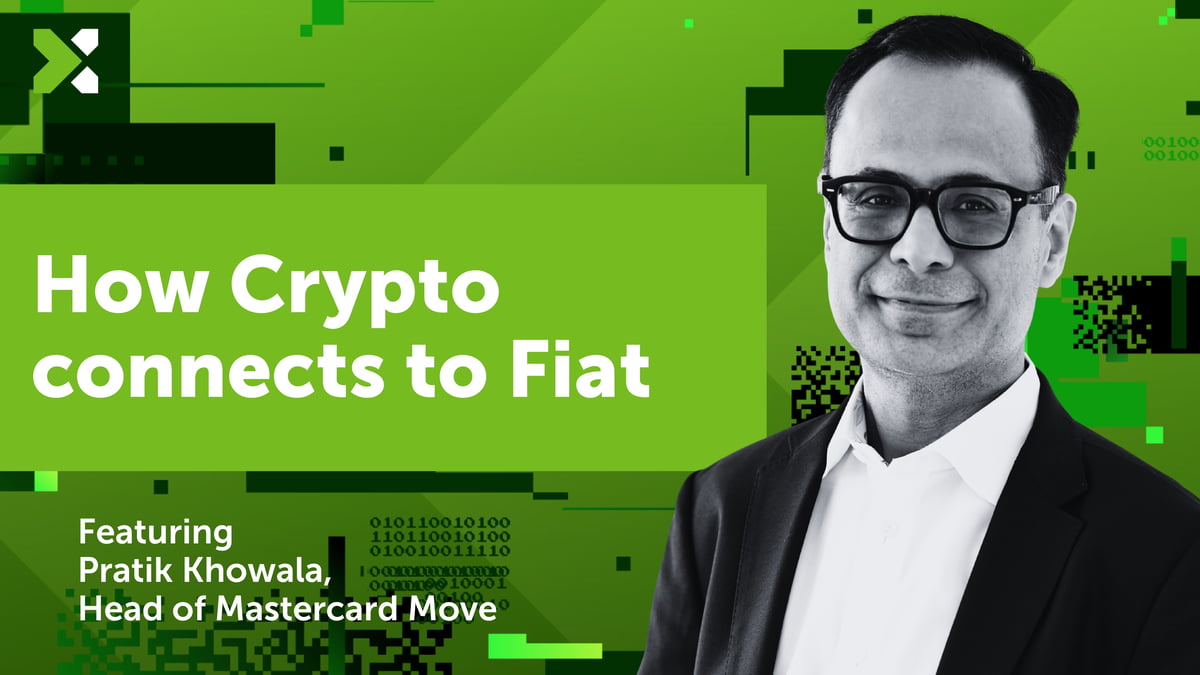
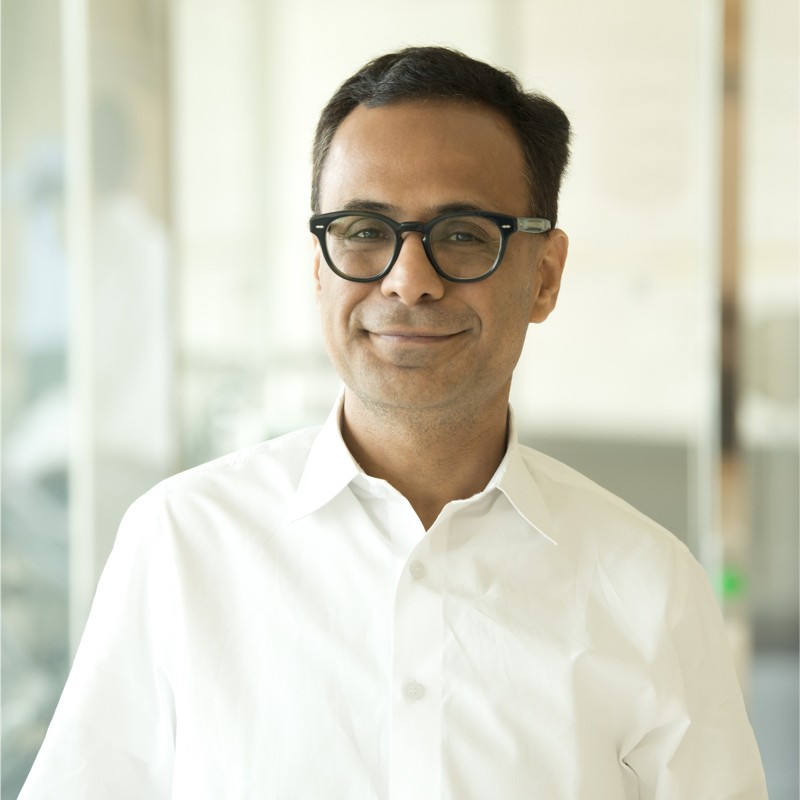
To explain in greater detail, Pratik Khowala, Global Head of Transfer Solutions, at Mastercard, spoke to Payment Expert on what Mastercard excelled in this year and what the industry can expect in 2026 too.
What have been some of Mastercard’s successes this year in your bid to scale global operations?
2025 was a standout year for Mastercard’s Transfer Solutions business, and we’re building on that momentum as we head into 2026. Our focus has been on scaling Mastercard Move—our global money movement offering—so people and businesses can move money quickly, transparently, and efficiently.
Mastercard Move is outpacing competitors, delivering strong double-digit transaction growth this year—significantly ahead of our nearest rival. This success comes from expanding payment corridors, adding new endpoints, and embedding Move into platforms people use every day. Our reach now includes tens of billions of endpoints across cards, accounts, digital wallets, cash, and even stablecoin wallets.
Collaborations this year with leading banks, fintechs, and payment service providers—including Worldpay, MoneyGram, Bank of Montreal, Corpay, Weixin/WeChat, and Infosys—are enabling more people and businesses worldwide to benefit from our solutions, fueling continued growth and expanding our global impact.
What are some of the most prevalent emerging trends and innovations which you have observed and acted upon over the last 12 months?
We are seeing—and driving—several major shifts in global money movement.
First, real-time, seamless cross-border payments are becoming a reality. By connecting directly to local schemes and partners—such as Buna in the Middle East and leading digital wallets in China like Weixin/WeChat and Alipay—we are removing intermediaries, reducing friction, and delivering faster, simpler experiences for banks, fintechs, and their customers.
Second, we are unlocking new payment experiences and use cases. For example, we now enable instant deposit refunds for reusable packaging schemes in cities like Lisbon and Copenhagen, contactless peer-to-peer payments through features like Samsung’s Tap to Transfer, and fast, flexible tipping and payouts for service workers via digital wallet apps such as ThankU.
Finally, we are advancing the adoption of digital assets and new technologies. We are embedding stablecoins into Mastercard Move to support disbursements, remittances, and B2B use cases. This includes pre-funding and global payouts in either local fiat currency or supported stablecoins, with capabilities now live in Europe, the Middle East, and Africa—including through partnerships with Paysend and Thunes.
How has Mastercard diversified its offerings against your competitors this year?
Our scale is a key differentiator. Mastercard Move reaches 200 countries and territories, connecting billions of endpoints across accounts, cards, wallets, and cash, and supporting 150 currencies. This broad reach allows us to serve both emerging and established markets across a wide range of use cases more effectively than anyone else.
We’re embedding Mastercard Move into platforms used by banks and fintechs through partnerships with organisations like Infosys, making it easier for partners to access our services via pre-integrated APIs. We’re also enhancing value-added services such as Verification of Payee and SEPA mandate verification, ensuring interoperability and security for our customers.
Alongside our global scale and seamless integration, Mastercard’s trusted brand and decades-long relationships with financial institutions are key differentiators. These partnerships enable us to deliver secure, compliant, and innovative solutions at scale—giving banks and fintechs confidence to embed Mastercard Move into their ecosystems.
This combination of global reach, seamless integration, and trusted services sets us apart from competitors.
What have been some of the most pressing industry challenges this year, and can you point to specific products/initiatives you have launched in response?
This year, the most significant challenge—and opportunity—has been addressing fragmentation in cross-border payments while keeping pace with rapid technological change and evolving customer needs. To respond, Mastercard has focused on three areas:
First, we expanded direct connections with partners and digital wallets in key corridors, such as Weixin/WeChat in China and GCash in Bangladesh, broadening our global reach.
Second, we deepened partnerships with organizations like Corpay and Thunes to unlock new payment corridors, accelerate B2B flows, and enable secure digital asset payouts.
Finally, we invested in technology modernisation, data analytics, and automation to enhance interoperability, compliance, reliability, and transparency in money movement.

Regulation has moved quickly in 2025. Which changes have had the biggest impact on your business model, and have they ultimately helped or hindered innovation?
Clearer regulatory frameworks for stablecoins and tokenized deposits—such as the U.S. GENIUS Act and the EU’s MiCA—have increased institutional confidence in blockchain-based payment initiatives.
Through Mastercard Move, we’re driving real-world use cases for stablecoins in the global money movement. At the same time, solutions like Mastercard Multi-Token Network and Mastercard Crypto Credential enhance safety and ensure compliance, while preserving the flexibility and programmability that make stablecoins promising.
How is Mastercard using AI in a concrete way today – whether for risk, compliance, customer experience, or product development – and what impact have you seen this year?
Mastercard is using AI in very concrete ways today to secure and enable the next wave of commerce. One major focus has been preparing for agentic commerce—the rise of AI-powered agents that can initiate and manage transactions on behalf of consumers and businesses.
This year, we’ve deployed AI-driven authentication and fraud detection systems designed to verify that an agent is legitimate, strengthen identity checks, and capture user intent in case a transaction goes wrong. These guardrails are critical because while you can automate commerce, you can’t automate trust.
In money movement, AI is integrated into systems to drive smart routing, sanction screening, and proactive fraud protection, making payments faster, safer, and more reliable.
What early opportunities or risks are you forecasting in 2026, and how are they shaping your roadmap now?
In 2026, we expect payments to become more personalized, predictive, and interoperable across both traditional and emerging platforms.
The rise of agentic commerce—where autonomous agents manage transactions—will accelerate, driven by advances in AI. Intelligent interoperability and programmable payments will unlock new use cases, especially in B2B and treasury, while regulatory clarity around tokenized money options will enable faster, more efficient cross-border transfers and liquidity management.
Which strategic moves has Mastercard made in 2025 you expect to be most decisive for the company’s performance in 2026?
Our strategic priorities for 2026 center on expanding use cases, with a particular focus on B2B cross-border payments. We see significant opportunity in the SME segment, which represents a substantial share of global business payments.
By delivering integrated solutions—such as multicurrency wallets, enhanced liquidity management, and value-added services like e-invoicing and FX risk tools—we aim to help banks better serve SMEs as they grow and expand internationally.
We’ll share more as we roll these strategies out with our partners and customers.