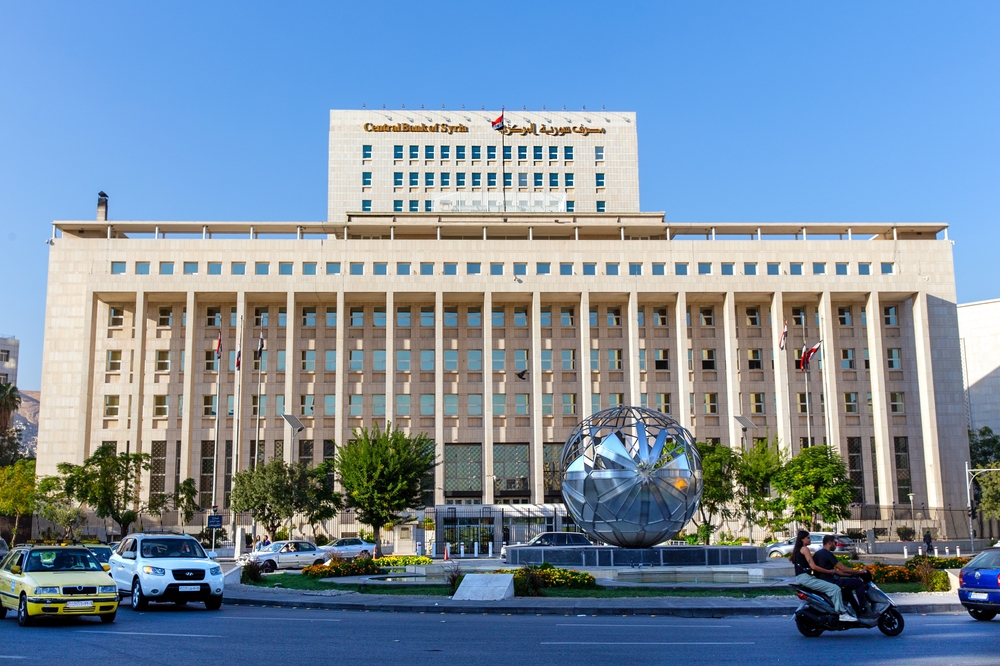
Visa has agreed a strategic roadmap with the Central Bank of Syria which will see the US payments giant launch operations in the country and help build a new national digital payments ecosystem.
According to the December 4 announcement, Visa will work with the central bank, financial authorities and licensed institutions on a phased digitisation plan aimed at “rapidly” integrating Syria into the modern global digital economy.
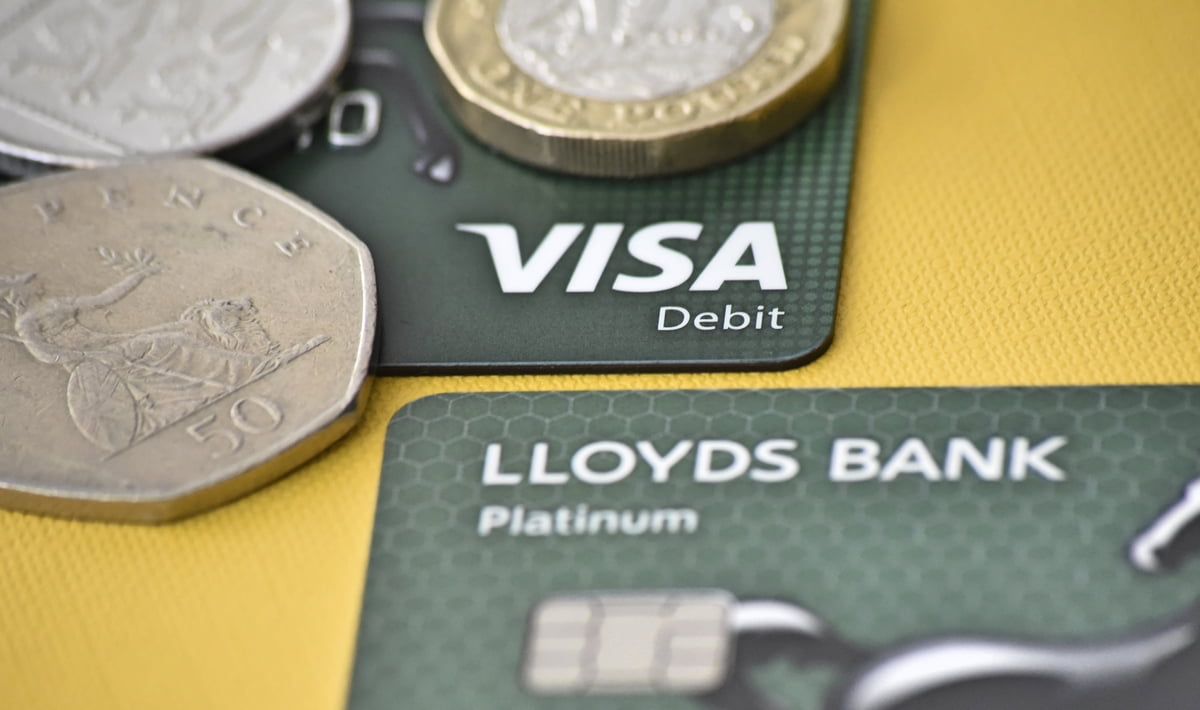
The initial focus will be on issuing payment cards and enabling digital wallets that meet global standards such as EMV chip and tokenisation, with the infrastructure built from the outset for international interoperability.
On the merchant side, Visa says it will lean on its Visa Acceptance Platform to roll out low-cost, open acceptance tools including Tap to Phone and QR codes. That approach is intended to give micro, small and medium-sized enterprises access to digital payments without the cost of traditional point-of-sale hardware, in a market that has long been dominated by cash and informal transactions.
The deal also includes a commitment to capacity building. Visa plans targeted programmes to develop local talent and support entrepreneurs building payment solutions on its network, including connections into Visa’s wider regional and global fintech partner ecosystem.
“A new chapter” for Syria’s banking system
Central bank governor Dr Abdulkader Husrieh framed the partnership as part of a broader economic reset following years of isolation. He said Visa’s roadmap “offers a powerful path forward to accelerate our modernisation agenda, enhance transparency, and provide our people and businesses with the tools they need to rebuild and thrive,” describing the agreement as marking “a new chapter of hope and opportunity for the Syrian economy.”
Speaking separately at the Reuters NEXT conference, Husrieh said he was “glad that we are working with Visa,” and confirmed officials were also in talks with Mastercard, which signed its own framework agreement with the central bank earlier this year to support digital payments and card issuance.
Leila Serhan, Senior Vice President and Group Country Manager for North Africa, Levant and Pakistan at Visa, said a “reliable and transparent payment system” would be a foundation for Syria’s economic recovery and a way to build investor confidence, arguing the country could “leapfrog” legacy infrastructure by moving directly to modern, open platforms.
Built on easing sanctions and fragile reintegration
Visa’s move comes against a fast-shifting political backdrop. Following the ousting of Bashar al-Assad and the formation of an interim government, the US Treasury and European Union have eased or suspended key economic sanctions, including measures targeting the Central Bank of Syria.
Switzerland followed suit in June, lifting several of its own restrictions on financial services and central bank dealings.
Those decisions have unlocked the first steps towards reconnecting Syria with global financial plumbing. In June, Reuters reported the central bank confirmed Syria had completed its first cross-border transfer over SWIFT since the start of the civil war, and officials have since held talks with major US institutions on re-establishing correspondent banking ties.
Husrieh has pointed to the return of around 1.5 million refugees and the easing of sanctions as drivers of a surprisingly rapid rebound, with growth now expected to outpace earlier World Bank estimates. At the same time, the central bank has pledged to revamp its anti-money laundering and counter-terrorist financing regime and is working with the International Monetary Fund on improving financial regulation and monetary policy tools – steps seen as prerequisites for attracting international banks and payment networks back into the market.
Compliance and risk questions for global partners
For Visa, the agreement opens access to a largely untapped, high-growth payments market, but it also raises familiar questions for compliance teams and investors. Even with sanctions relaxed, Syria will remain a high-risk jurisdiction in the eyes of many global banks, given its recent history and the possibility that political conditions – and sanctions licences – could shift again.
That puts significant pressure on the central bank and its partners to demonstrate robust KYC, transaction monitoring and governance from day one. Husrieh has already highlighted plans to overhaul banking supervision and tighten AML rules to reassure lenders and international organisations.
If Visa-branded cards and wallets are to be used for cross-border remittances, humanitarian disbursements or trade in and out of Syria, correspondent banks will want clear comfort that they are not re-entering a sanctions or illicit-finance minefield.