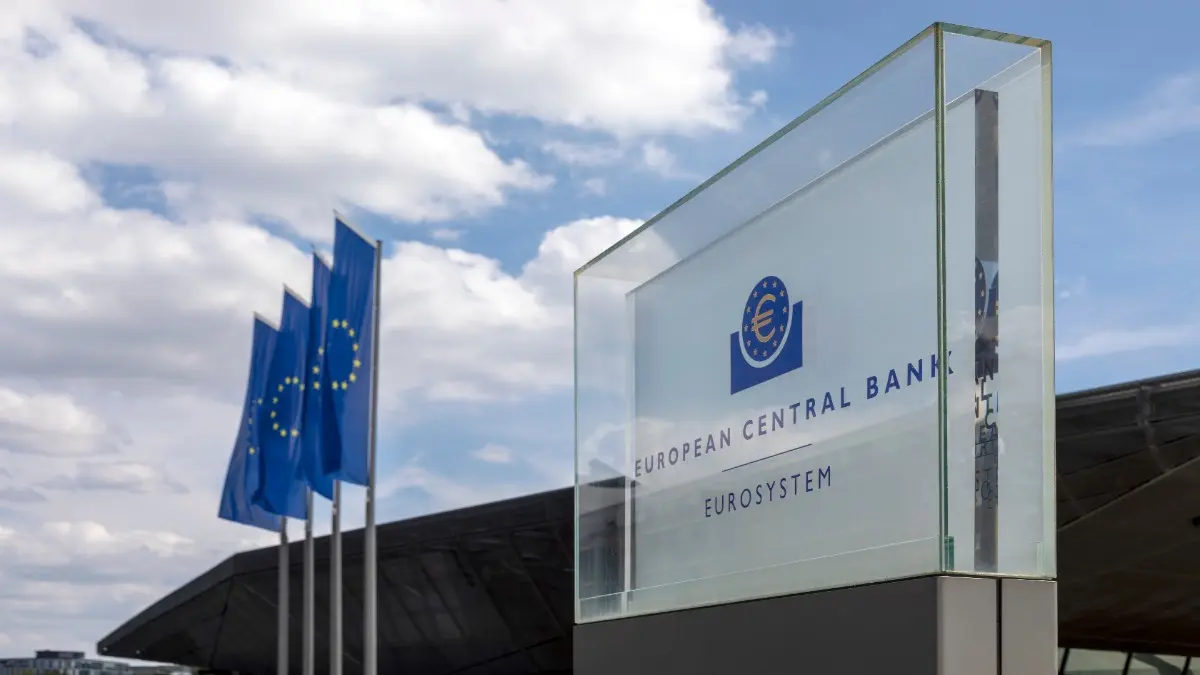
The Digital Euro is accelerating, with the ECB’s plans to launch the digital currency in 2029 and pilot tests in 2027. But banks are raising concerns over how it may undermine a recently launched mobile payment system.
The European Central Bank’s (ECB) plans to launch the Digital Euro by 2029 has hit a roadblock from opposition amongst European banks.
14 banks, including Deutsche Bank and BNP Paribas, raised concerns before a European Parliamentary hearing today (November 5) about how the central bank digital currency (CBDC) could negatively impact the European digital mobile payment system Wero.
BNP Paribas and Deutsche Bank are two several banks which supported the launch of Wero as an alternative to US-based payment services to reduce the reliance on US payment methods and increase EU competitiveness.
Both banks, as well as ING, issued a statement regarding the use cases being proposed for the Digital Euro, highlighting they cover the same use cases as Wero is addressing.
“The current design of the retail digital euro largely addresses the same use cases as private solutions, without offering any clear added value for consumers,” said the banks in a joint statement.
A threat to private sector payments?
The banks’ concern stems from how the Digital Euro could affect or undermine the value of private sector payments across Europe.
Some of the proposals the ECB have outlined in its Digital Euro progress report include person-to-person payments, consumer and business payments – including for e-commerce and in-store purchases – and payments for tax, to and from governments.
Having only launched in the second half of 2024, Wero has 14 million users registered across countries including Belgium, France and Germany.
The European Payments Initiative (EPI), confirmed over the Christmas period last year that it has completed its first Wero online payment. The milestone was achieved in a proof-of-concept trial involving German football club FC Kaiserslautern, its acquiring partner VR Payments, and online banking provider VR Bank.
Since then, the likes of Revolut and Nuvei have joined the EPI to provide Wero-supported services to their customers in Europe.
Wero still lags significantly behind the likes of Visa and Mastercard in terms of payment volume. Mastercard and Visa in Q2 ‘2025 processed 12% of all Euro payments across the continent, with Mastercard processing more transactions than Visa in Europe for the first time over the time period.
Digital Euro also faces opposition in Parliament
While banks have shared their concerns about the Digital Euro, the initiative also faces opposition from members of the European Parliament.
Fernando Navarette, MEP for Spain, raised caution with the acceleration of the progress of the digital currency, calling for a “scaled-down” approach to the project on November 3.
In a report published last week, Navarette argued the Digital Euro should only be used as a substitute for cash when making a payment without internet or mobile connectivity, warning if this is not the case, the Digital Euro could create an ecosystem “hindering private solutions from reaching pan-European scale”.
Furthermore, Navarette toldThe Financial Times the payment private sector is “closer than ever before” to competing with US-based payment services.