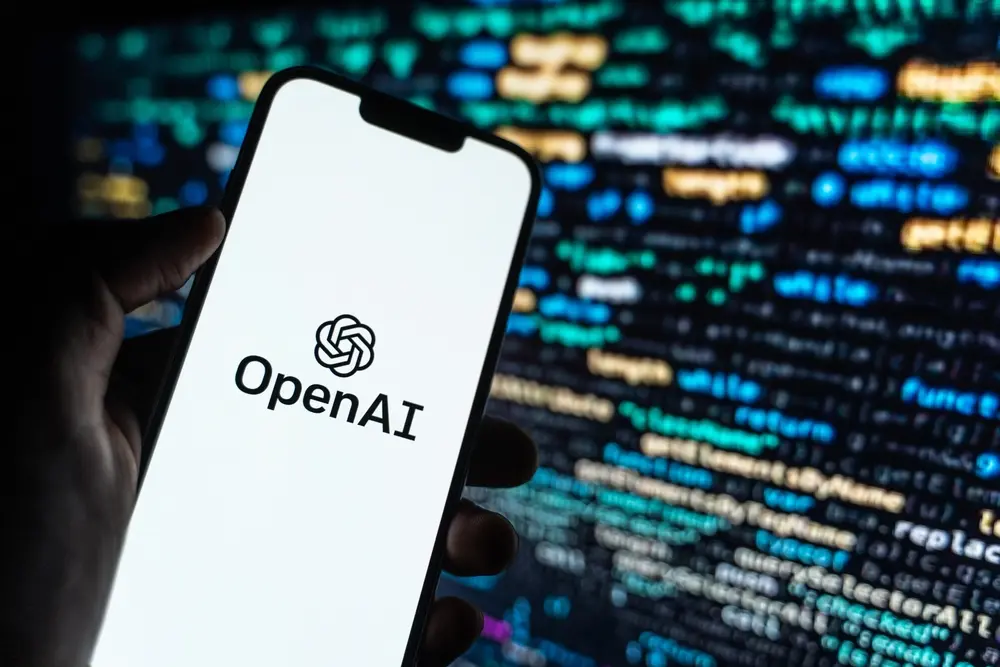
ChatGPT users will be able to make in-app payments following a new partnership between PayPal and OpenAI.
Announced on October 28, PayPal has adopted the Agentic Commerce Protocol (ACP) which allows ChatGPT users to checkout using PayPal by leveraging OpenAI’s Instant Checkout service.
PayPal will connect its global merchant network to OpenAI apps to support instant checkouts for tens of millions small businesses.
The partnership seeks to provide more convenience at the checkout, with PayPal wallets connected to OpenAI’s Instant Checkout. Users can click on the service to make payments, as well as view their balance and add their preferred cards.
Other features include the implementation of PayPal’s post-purchase services, such as tracking and dispute resolution, backed by delegated payment APIs to manage and fuel payment processing for card payments.
This partnership makes PayPal the first payment method to be embedded into ChatGPT.
“Hundreds of millions of people turn to ChatGPT each week for help with everyday tasks, including finding products they love, and over 400 million use PayPal to shop,” said Alex Chriss, President and CEO of PayPal.
“By partnering with OpenAI and adopting the Agentic Commerce Protocol, PayPal will power payments and commerce experiences that help people go from chat to checkout in just a few taps for our joint customer bases.”
Failed payment – Who shares liability?
While not explicitly outlined in the announcement, the partnership throws into question whether PayPal or OpenAI bear responsibility if a payment fails to settle.
The announcement outlines that the ACP will help power the transactions as a “trusted, scalable, and compliant access layer” to the checkout process. As ACP is a PayPal server, this suggests the payment company may take responsibility for any failed payments made via ChatGPT.
However, there are also questions regarding the online functionality of ChatGPT. If the app suddenly goes down while a user is making a payment, would the liability then fall on OpenAI?
GenAI e-commerce is on the rise
In recent years, the volume of shopping queries made within ChatGPT have increased significantly.
Finovative recently found that from January to June 2025, shopping queries increased by 70% in total prompts from the same period last year. Furthermore, in September 2025, ChatGPT processed an estimated 50 million shopping queries daily.
Of all ChatGPT queries made between January and June 2025, shopping made up 7.8% in January, which then increased to 9.8% by June. This works out to one in 10 of all queries on the platform are directly related to shopping.
There is a personalisation aspect to ChatGPT that has been observed by many retail and payment companies over the last year. The ability for a customer to tailor their shopping preferences to their specific needs has seen the likes of Klarna embed AI to its app, helping to guide users in the direction of suggested retailers.
The same effect is being felt in the UK. Checkout.com released a new study today (October 29) which revealed more than 40% of British consumers would allow AI Agentic agents to handle routine shopping tasks.
The ‘Peak Season ’25: The debut of agentic commerce?’, survey showed on average, those willing to let AI transact on their behalf said they would do so up to a value up to £200, revealing an increasing “trust threshold” for agentic commerce.
This appetite builds on habits already forming today, with many UK customers already turning to AI for shopping inspiration; 42% said they’ve used apps such as ChatGPT to find gift ideas for a partner, while one in five (20%) have asked AI to write birthday card messages.
“Consumers are drawing a clear boundary: they want agentic AI to take away the friction of everyday purchases, but still make the choices that matter most to them,” said Rory O’Neill, CMO at Checkout.com.
“As merchants shape their agentic commerce strategies, ensuring shoppers continue to enjoy the experience will be key to success. It’s not one-size-fits-all – the best strategies will blend automation with the human touch that keeps commerce personal.”