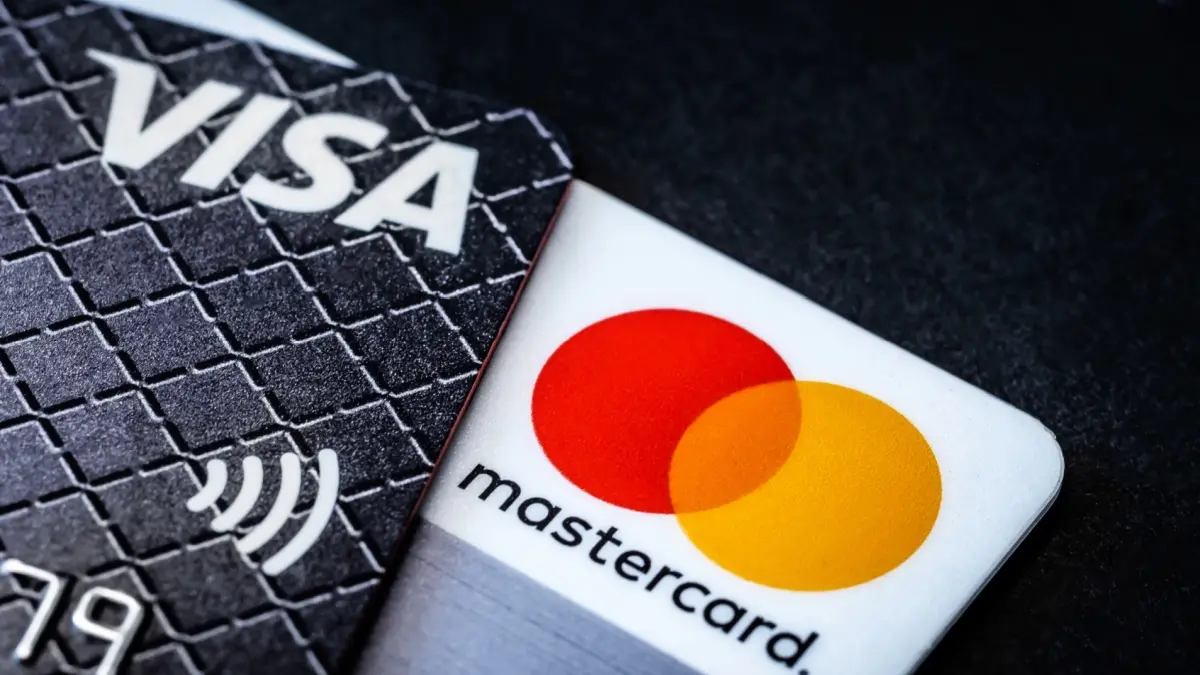
Visa and Mastercard have agreed to pay a combined $199.5m to settle a long-running US class action accusing the card networks of coordinating changes to chargeback rules that shifted fraud costs onto retailers.
The proposal, lodged in Brooklyn federal court on October 10, asks Chief Judge Margo K. Brodie to grant preliminary approval and set a consolidated timetable with earlier deals reached with American Express and Discover.
The filing – in B & R Supermarket, Inc. d/b/a Milam’s Market, et al. v. Visa Inc., et al., No. 1:17-cv-02738 (E.D.N.Y.) – would add $199.5 million to the common fund for merchants, taking the total across all four networks to $231.7m when combined with the previously disclosed $32.2m from Amex and Discover.
Under the proposed allocation, Visa would contribute $119.7m and Mastercard $79.8m. The companies deny any wrongdoing.
The crux of the case
Merchants sued in 2016 claiming the networks moved “in lockstep” to implement EMV fraud-liability shifts and related chargeback rules, leaving retailers – particularly those without chip-capable terminals – to absorb higher fraud and dispute costs.
Plaintiffs say those parallel changes breached US antitrust law; the defendants maintain the evidence reflects unilateral, non-collusive conduct and that any analysis must account for two-sided platform economics post-Ohio v Amex.
The memorandum supporting settlement leans on the litigation risks that would accompany a trial, including fights over whether merchants are “indirect payors” barred from recovering chargeback damages under Illinois Brick, the appropriate standard of review (per se versus rule-of-reason), and admissibility challenges to plaintiffs’ expert work.
What merchants would get – and why now
Plaintiffs characterise the deal as an “excellent outcome” after nine years of discovery, class certification, and dispositive-motion battles.
They cite a best-case single damages estimate of roughly $1.45bn from their expert, contrasted with materially lower alternative scenarios offered by Visa’s experts, a gap that underscores the uncertainty a jury would need to resolve.
The settlement uses the class definition the court certified in August 2020 and proposes to run notice once across all four network deals. Plaintiffs note that fewer than 350 merchants opted out after the earlier, court-approved class notice to approximately one million merchants, a datapoint they argue supports approval.
What happens next
If Judge Brodie grants preliminary approval, the parties propose a consolidated schedule covering all settlements:
- Complete class notice within 60 days of the order.
- File fee and expense motions by day 70.
- Set objections due by day 100; confirm completion of notice by day 115.
- File final approval papers by day 125.
- Hold a fairness hearing no earlier than day 140.
A preliminary-approval order would not end the case. Class members would be notified and given a chance to object before any final ruling. Only after a fairness hearing – and assuming the court grants final approval – would funds be distributed according to the plan on file.