A promise to close the Consumer Financial Protection Bureau (CFPB) within months has thrown US financial regulation into fresh uncertainty, with courts and lawmakers questioning how far the administration can go to unpick Dodd-Frank’s consumer watchdog.
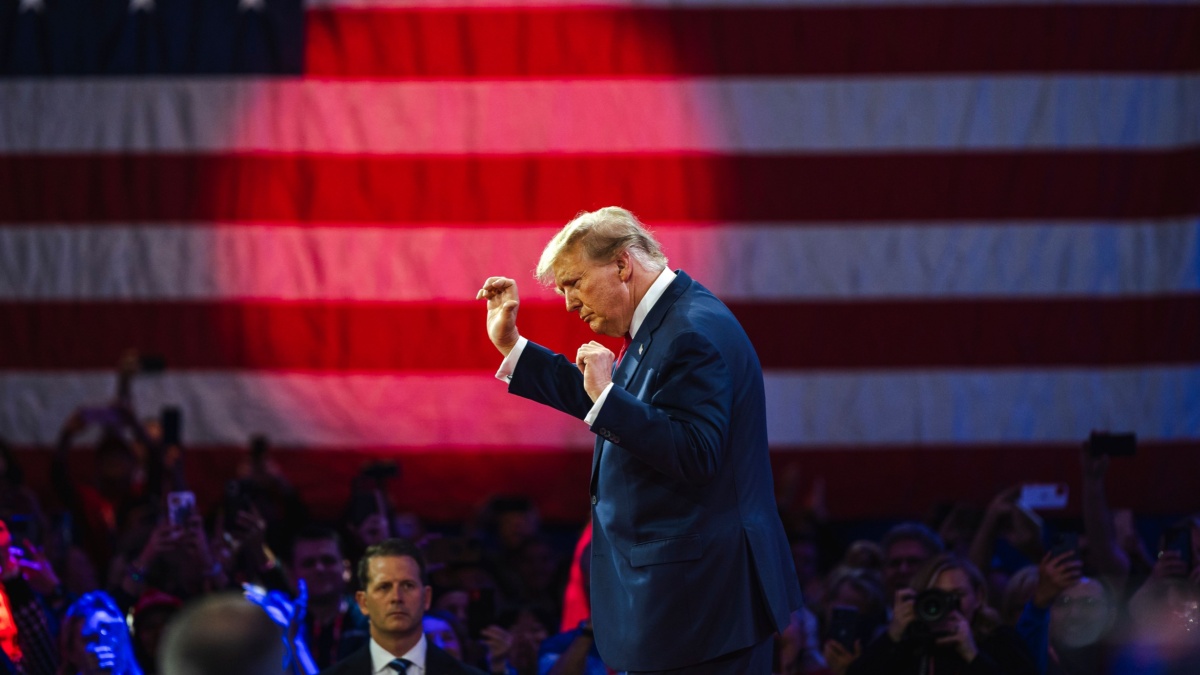
White House budget director Russell Vought has said the administration intends to shut down the Consumer Financial Protection Bureau (CFPB) within “two or three months”, a statement that places him at odds with the government’s own legal arguments defending the agency’s legitimacy in court.
Speaking on The Charlie Kirk Show, Vought – who also serves as Director of the Office of Management and Budget – said only a handful of staff remain at the bureau’s Washington headquarters “while we close down the agency.” He described the CFPB as an institution with “the DNA of Elizabeth Warren,” claiming it had “weaponised” consumer-protection laws against small lenders.
His comments mark the clearest indication yet that the Trump administration is pressing ahead with its plan to curtail or dissolve the CFPB, a regulator established under the 2010 Dodd-Frank Act in the wake of the financial crisis.
But they also expose an apparent contradiction: while Vought portrays the bureau as being in terminal decline, government lawyers continue to defend its operations in multiple ongoing lawsuits, including challenges brought by employee unions and state attorneys general.
Since returning to the White House earlier this year, the administration has moved swiftly to weaken the bureau. In February 2025, the Office of Management and Budget halted new funding requests from the CFPB, describing its Federal Reserve-backed reserves – estimated at roughly $700 million – as excessive.
The administration also imposed a stop-work order on new investigations and rulemaking, effectively freezing much of the agency’s enforcement activity.
Plans to sharply reduce the bureau’s workforce have faced resistance. A federal district court in Washington issued an injunction in March 2025 blocking large-scale layoffs, a ruling later upheld by the US Court of Appeals for the DC Circuit.
Judge Amy Berman Jackson said the government’s actions risked “irreparable harm” to the agency before the legal merits could be fully examined. The National Treasury Employees Union, representing CFPB staff, continues to litigate against what it calls an “unlawful dismantling” of the bureau.
Despite those constraints, parts of the CFPB remain active. Earlier this month the agency finalised a settlement with online lender MoneyLion, ending a long-running case concerning alleged unfair charges to military personnel. But its capacity has been substantially reduced, and several policy initiatives (including proposed rules on data brokers and consumer privacy) have been withdrawn.
The CFPB itself has avoided direct political comment but continues to participate in court proceedings through the Department of Justice. Legal filings seen by Reuters show the government maintaining that the agency remains a valid component of the federal financial-regulatory framework pending any formal legislative change.
Vought’s claim that the bureau will be closed within months appears to extend the broader agenda of the administration’s Department of Government Efficiency, which has targeted several independent regulators for restructuring or closure. Yet consumer-protection advocates, Democratic lawmakers and state attorneys general have vowed to resist.
Senator Elizabeth Warren, who helped design the CFPB more than a decade ago, said the plan would “reward grifters and scammers” by removing oversight from key segments of the financial sector.
The confrontation now hinges on the courts. While the administration insists it has executive authority to restructure the CFPB, judges have so far shown little inclination to allow its rapid dissolution. The coming months will determine whether the bureau – a symbol of post-crisis regulatory reform – survives in diminished form or is dismantled entirely.