In finance, as in physics, shields can double as swords. South Korea’s plan to launch a government-approved stablecoin is billed as a defence of the won. Yet by putting the currency on digital rails, Seoul may be fashioning the very escape route it fears.
For decades the country has maintained a thicket of capital controls. The rules are less restrictive than they once were, but they still limit outbound flows of the won and give regulators discretion to clamp down when turbulence strikes. These constraints are designed to guard against sudden flight into dollars, a vulnerability that scarred Korea during the Asian financial crisis of 1997.
Why, then, is the ruling Democratic Party advancing a bill to create what amounts to a digital escape hatch? The answer lies less in the allure of innovation than in the politics of sovereignty. In July, Representative Ahn Do-geol introduced the Act on the Issuance and Circulation of Value-Stable Digital Assets, a mouthful of a title for a project whose ambition is straightforward: build a “won coin” before dollar-based stablecoins become the default medium of exchange, both at home and abroad.
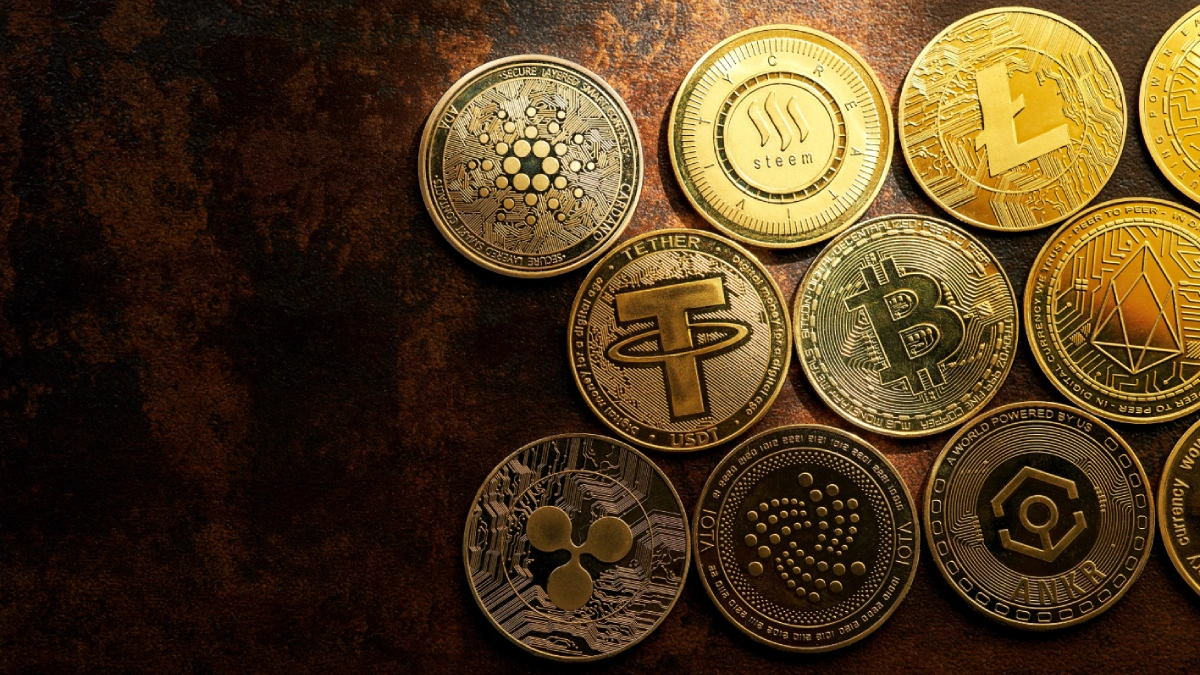
The legislation delivers on a campaign promise by President Lee Jae-myung. It also reflects rising concern in Seoul that American tokens – anchored to the world’s reserve currency and already widely used in crypto markets – could entrench the dollar’s dominance further. Just as the US has set out rules for a digital dollar under the GENIUS Act, Korea is eager to demonstrate that it, too, can mint sovereignty in programmable code.
The blueprint is comprehensive: stablecoins would need to be fully backed by high-quality, liquid assets such as cash, demand deposits, or government and municipal bonds. Issuers must be licensed, capitalised to at least five billion won, and subject to approval by the Financial Services Commission. Redemption rules are also strict, with users understanding they must cash out within three business days, even if an issuer collapses. No interest may be paid on holdings, a safeguard against stablecoins morphing into digital deposits that might compete with banks.
Supervision would be shared. The FSC would police issuers; the Bank of Korea would retain powers to intervene when monetary policy required; and the Ministry of Economy and Finance would act from the foreign-exchange perspective. In theory this triangular oversight should keep the new tokens aligned with existing economic management.
Yet the contradictions are obvious. Stablecoins, by design, make value portable. Even if backed by Korean assets, a tokenised won could be held, transferred and traded across borders far more easily than the paper or bank-based won ever could. That sits uneasily with a regime which, until recently, demanded approvals for corporate borrowing abroad and capped the amount of foreign currency travellers could carry. South Korea may loosen its regulations in good times, but it has never abandoned the option of tightening them when needed.
The contradiction looks starker still when compared with neighbours. China has built the e-CNY, but only as a central-bank instrument and with strict prohibitions on private stablecoins. Singapore has opened its arms to dollar-backed tokens, but in the name of fintech competitiveness rather than domestic sovereignty. Japan has cautiously permitted licensed yen stablecoins while tethering them to the banking system. Only Hong Kong, with its open capital account, looks poised to launch a stablecoin that could circulate globally.
Korea’s motivation is different – defensive rather than expansive. It is less about attracting global capital than about preventing the won from being displaced in domestic commerce by dollar-based alternatives. Supporters argue that by requiring reserves to be parked in government bonds, a “won coin” would even boost demand for public debt and lower fiscal costs. In their telling, digital tokens could become instruments of national balance-sheet management.
The risks, however, are hard to ignore. A tightly ring-fenced token may prove unattractive to users, especially if dollar-based stablecoins offer greater utility for cross-border payments. Conversely, if a “won coin” gained traction abroad, it could test the very capital controls the government relies on to manage liquidity and exchange rates. Either way, the scheme points to the uneasy coexistence of digital money and financial gatekeeping.
The paradox is not Korea’s alone. Across Asia, capital controls remain common, the legacy of past crises and the reflex of cautious policymakers. Stablecoins, meanwhile, are advancing as instruments of speed, openness and global interoperability. Reconciling the two will require more than clever legal drafting. It will mean deciding whether sovereignty is best defended by building higher walls – or by trusting the currency to compete on open digital ground.