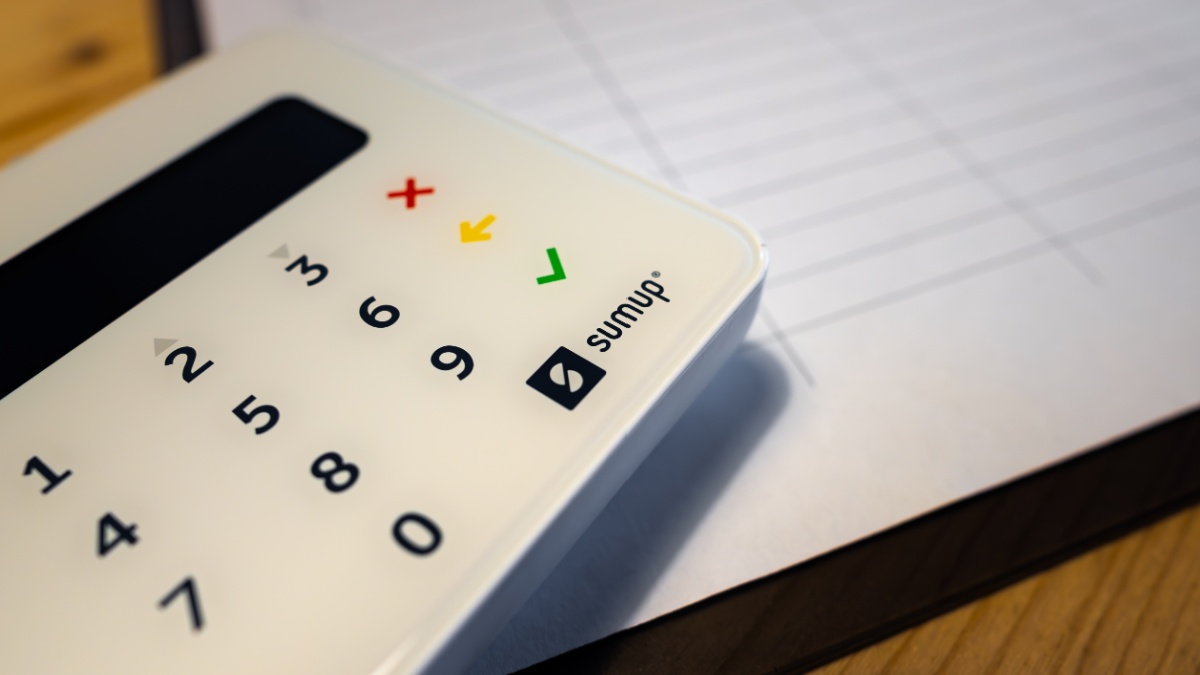
Reports say UK-based fintech SumUp is exploring a potential initial public offering (IPO) at a valuation between $10-15bn.
SumUp, best known for its card readers for SMEs as well as services like business accounts and invoicing, has reportedly held talks with banks about a listing in London or New York within the next year.
This isn’t the first time SumUp has explored ways to unlock shareholder value. The firm was valued at $9.41bn in a 2022 fundraising led by Bain Capital and last year was reported to be exploring a secondary share sale with Goldman Sachs at around $10.58bn.
If successful, this could mark a rare win for the London Stock Exchange which has struggled to compete against its New York counterpart in recent years. Choosing to list in the UK could also lead to a notable shift in the European payments space.
According to sources quoted in the Financial Times, SumUp believes the payments processing market, is “ripe for consolidation.”
The jigsaw of European payments
The European payments market is large but still fragmented. Unlike the US or China, it has no single dominant player. Instead, the space is filled with regional providers that focus on local markets, leaving room for firms with global ambitions to grow by buying rivals.
However, consolidation has been slow. Banks once dominated payments, but many were slow to invest in new technology. Several have only recently sold off their payments units.
Regulation has also been a barrier. Rules like PSD2 and CBPR2 were meant to increase competition and transparency, but they also created complex compliance demands across borders. The cost of meeting these standards, especially for smaller players, has made it harder to scale.
Technology has been another obstacle. Payment systems vary widely across countries, and many providers rely on outdated platforms. Merging these systems can be expensive and time-consuming.
Finally, consumer habits differ across Europe. Some markets remain cash-heavy, while others rely on national card schemes or mobile wallets, making it hard to build one solution.
Can SumUp’s bet on consolidation pay off?
The picture is beginning to shift. Private equity and large players are driving mergers. Groups like Worldline, PayPal and SumUp are buying regional firms to build scale and expand into new services.
Regulation is also starting to help, with PSD3 and the Instant Payments Regulation pushing providers to modernise.
Furthermore, there is a growing push to reduce reliance on US firms, which could work in favour of SumUp. A new partnership between the European Payments Alliance (EuroPA) and the European Payments Initiative (EPI), announced in June, aims to connect 382 million people across 15 countries through trusted mobile payment systems.