SumUp plans to use its millions-strong merchant base as a springboard for its banking ambitions.
SumUp has announced it is preparing to make a move into banking, with the London-based fintech exploring applications for licences in both the EU and UK.
In an interview with The Banker, Chief Commercial Officer Luke Griffiths said the company is eyeing an EU licence first, with the UK to follow, as part of a push to “compete more aggressively” with traditional banks.
The expansion could see SumUp brushing shoulders with the likes of Monzo and Starling Bank as a European challenger bank within 12 to 18 months.
In the interview, Griffiths, a former Klarna executive, said lending would become a core focus as SumUp expanded its services. He noted small businesses remain underserved by incumbents and argued SumUp was well placed to fill the gap.
The company sees credit products as sitting “at the heart” of merchants’ relationship with the platform, forming the foundation of a broader SME banking offering.
SumUp’s regulatory progress already includes e-money licences in the UK, Ireland and Lithuania, which allow it to operate across 36 markets. Earlier this year the company also filed for a banking licence in Brazil.
A crowded challenger landscape
If successful, SumUp would be joining several other fintechs which have transformed into banks over the last decade. Revolut, Starling Bank and Monzo have become household names in the UK.
The impact of these challengers has been significant. According to the Financial Reporter, UK challenger and specialist banks accounted for two-thirds of all SME lending last year, surpassing the country’s five largest banks for the fourth year running.
However, the market is competitive and maturing. Challenger banks are increasingly shifting from customer acquisition to profitability, a transition which has already seen some names retrench or adjust their growth plans.
POS as a banking gateway
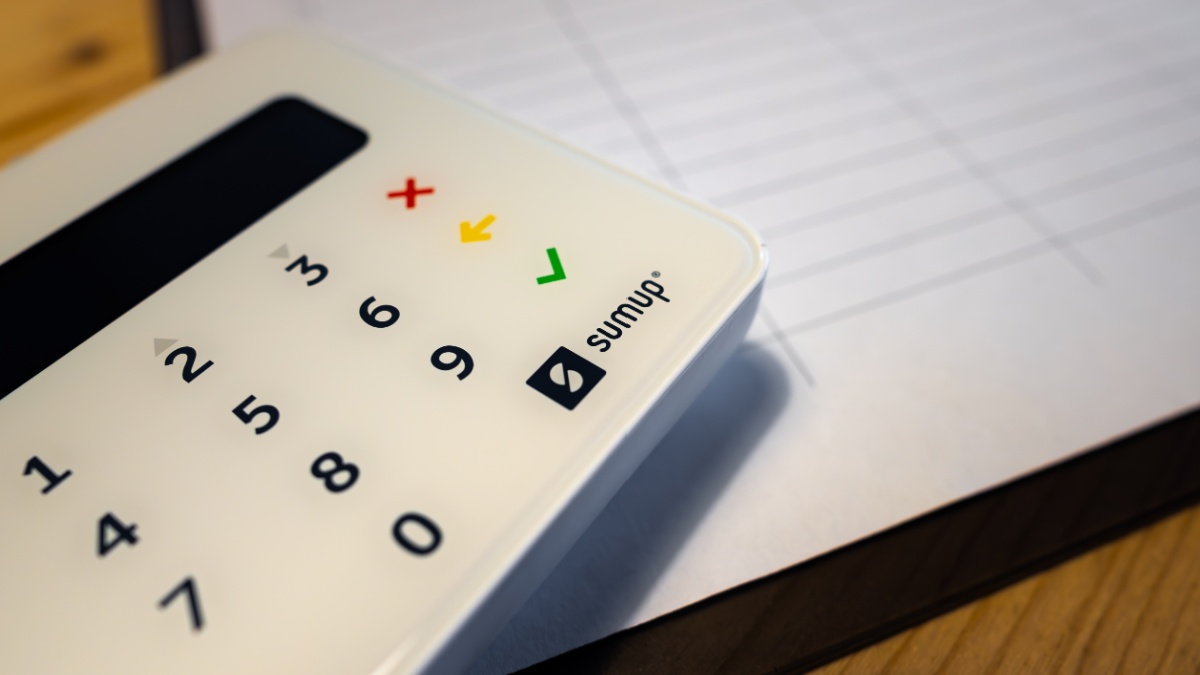
SumUp is different from many other fintech companies because it started by making point-of-sale (POS) devices. More than four million merchants across Europe, Latin America and, most recently, Australia use SumUp’s tools to run their businesses.
This gives SumUp a strong advantage, as instead of needing to find new customers, it can offer banking services like business accounts, loans and cash advances to people who already use its payment machines. These merchants trust SumUp and use its products every day, so adding banking could be sold as a natural next step.
Because SumUp processes payments directly for millions of merchants, it is more privy to transactional patterns than most financial providers. This gives the company an edge when it comes to designing financial services tailored to SMEs.