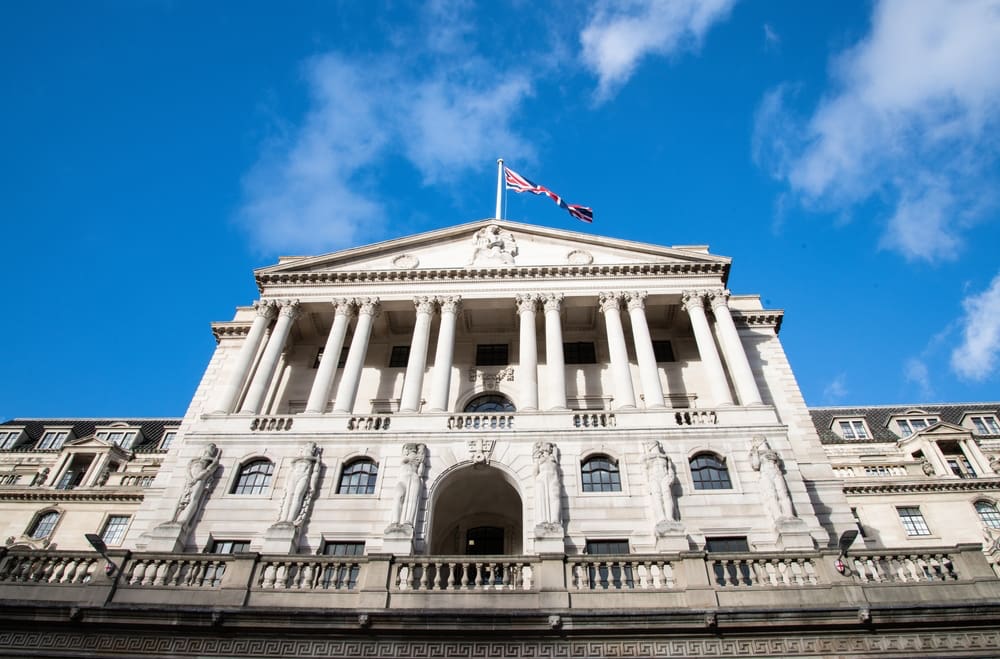
The Bank of England’s modernised real-time gross settlement (RTGS) core is live and processing at scale, with Accenture confirming the platform handled 9.4 million transactions worth £35.2 trillion in its first three months after go-live on April 28, 2025.
Peak daily throughput reached 295,000 payments, against a typical daily value of around £800 billion across the system, underscoring the platform’s critical role in UK wholesale payments.
The upgrade, known internally as RT2, replaces the digital core of RTGS with a cloud-native ledger and settlement engine and introduces end-to-end automation, resilience features such as zero-data-loss recovery and failover, and expanded monitoring.
Accenture says faster onboarding and external APIs should simplify access to data and accommodate a broader range of participants over time. The BoE previously framed RT2 as an “open platform for change and innovation” following its April launch.
The renewal programme itself has now formally closed, with governance shifting from the Renewal Executive Board to a new executive group that will oversee delivery against the “Future Roadmap for RTGS.” That governance change is set out in the RTGS and CHAPS Annual Report 2024–25, published on August 21.
For market participants, two policy tracks explain why this technical milestone matters.
First, the BoE consolidated its access policy in April, combining rules for settlement accounts, omnibus accounts and intraday liquidity into a single framework. This document clarifies eligibility, stage-gates and risk considerations for direct access, while leaving space for diverse participation models via direct and indirect connectivity.
Second, the BoE has opened a consultation (July 29) on extending settlement hours for RT2 and CHAPS beyond the current 6am–6pm window, citing industry needs and international practice. The new RTGS core is explicitly described as the foundation for any move to longer operating hours, which could ease end-of-day funding pressure for banks and PSPs, improve alignment with other time zones and support corporate treasury operations.
A decision is targeted for late 2025 or early 2026, following consultation.
Internationally, several RTGS systems already operate beyond a daytime window: India’s RTGS, Mexico’s SPEI and Switzerland’s SIC run 24/7/365, and South Africa’s SAMOS is also available around the clock. By contrast, the US Fedwire Funds Service runs for roughly 22 hours each business day (21:00–19:00 ET), while Australia’s RITS operates 07:30–22:00 local time
The BoE’s renewed platform also builds on ISO 20022 migration steps taken in CHAPS, which the BoE says enhance resilience, interoperability and user functionality. Together with API access and improved reporting, payment firms should gain better intraday data and more flexible onboarding routes, though any widening of participation will continue to flow through the Bank’s access policy and supervisory lens.
Key dates and figures:
- RT2 went live on 28 April 2025;
- the renewal programme closed in August 2025;
- the consultation on extended hours opened on 29 July 2025.
- first-quarter performance: 9.4 million transactions, £35.2 trillion settled, peak day 295,000 payments.