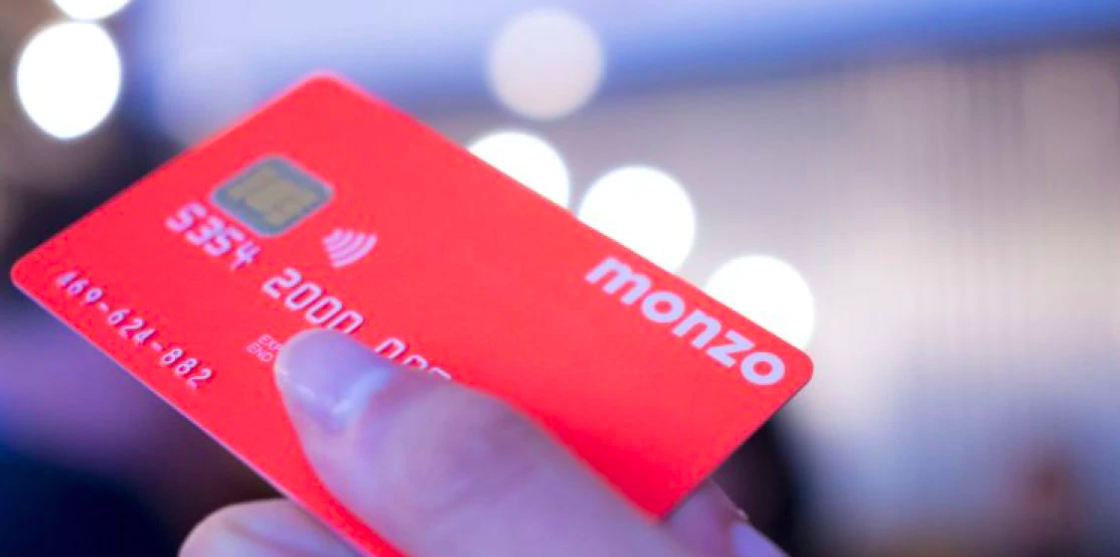
Monzo has become the latest fintech reportedly interested in offering mobile contracts, but why are digital banks looking to disrupt another industry?
Monzo is reportedly looking to launch UK mobile contracts in a bid to compete against the likes of Vodafone, O2 and EE.
According to The Financial Times, the UK digital bank is in “early stage” discussions to launch a digital sim and offer monthly mobile contracts to its customers in a bid to diversify its revenues.
The UK’s mobile telephony industry generated $4.77bn (£3.53bn) last year, according to Ofcom.
It is likely Monzo could enter the industry as a mobile virtual network operator (MVNO), which would allow it to offer mobile phone services while leasing the underlying technology instead of developing its own in-house infrastructure.
MVNO’s such as Tesco Mobile, Lycamobile, and Giffgaff have benefited from competing against the traditional big three networks – VodafoneThree, Virgin Media O2 and EE-BT – while also using their network infrastructure.
Tesco Mobile, Lycamobile and Giffgaff all adopt the O2 network for their mobile contract offerings and, according to Enders Analysis cited by the Financial Times, these MVNO disruptors have taken up to 180,000 subscribers away from the traditional players, a record in one year.
The FT report noted a source close to Monzo’s MVNO plans had highlighted customer pain points when it comes to mobile contracts as a reason for them entering the market.
A growing trend amongst fintechs
Monzo joins the likes of Revolut and Klarna as the latest fintech company to disrupt the telecommunications industry.
Revolut announced in April 2025 plans to launch new mobile products – including unlimited texts, calls and data plans – for users in Europe and the US following a rollout of its eSIM product last year.
In a press release statement last April, Hadi Nasrallah, General Manager, Telco and Retail Director at Revolut reiterated similar consumer friction concerns Monzo raised.
“In our view, consumers are suffering with traditional network offerings due to a lack of transparency with hidden fees, painful customer experience and old, difficult to navigate UX. We’re looking to solve all three,” said Nasrallah.
Klarna also entered the space by providing buy now, pay later options for Samsung mobile plans. This includes the Pay in 3 payment method for purchases between £99-£1,000, and Pay in 30 days for purchases up to £250.
Why are fintechs looking for new revenue streams?
James Robinson, Senior Analyst at Assembly Research cited in the FT report, believes fintechs and digital banks have the cross-sell service capabilities to “propose attractive offers” to customers.
Fintechs like Monzo have been able to amass more than 13 million UK customers by offering competitive interest on their savings accounts, as well as subscription offers for accounts that benefit customers with various perks and cashback offers.
The move into the telecommunications industry from fintechs may come as a response to the wave of non-traditional companies offering financial services due to the increased growth of embedded finance options.
Super apps such as WeChat have become a player in the payments industry while also offering other aspects such as social media elements, messaging, and more functions all within the same app.
Furthermore, fintech investment in the UK has continued to stagnate since the record highs of $24bn in the first half of 2021 and some leaders may have opted to branch out into other industries, such as telecommunications, to diversify their revenue streams and product offerings for greater customer and market share.