As Brian Quintenz’s nomination stalls, the direction of US digital asset oversight, and its implications for payments, remains uncertain
The Commodity Futures Trading Commission (CFTC) has historically played a backseat role in payments regulation. But in the digital asset era – where crypto is increasingly being integrated into mainstream financial infrastructure – the CFTC’s leadership has taken on new significance.
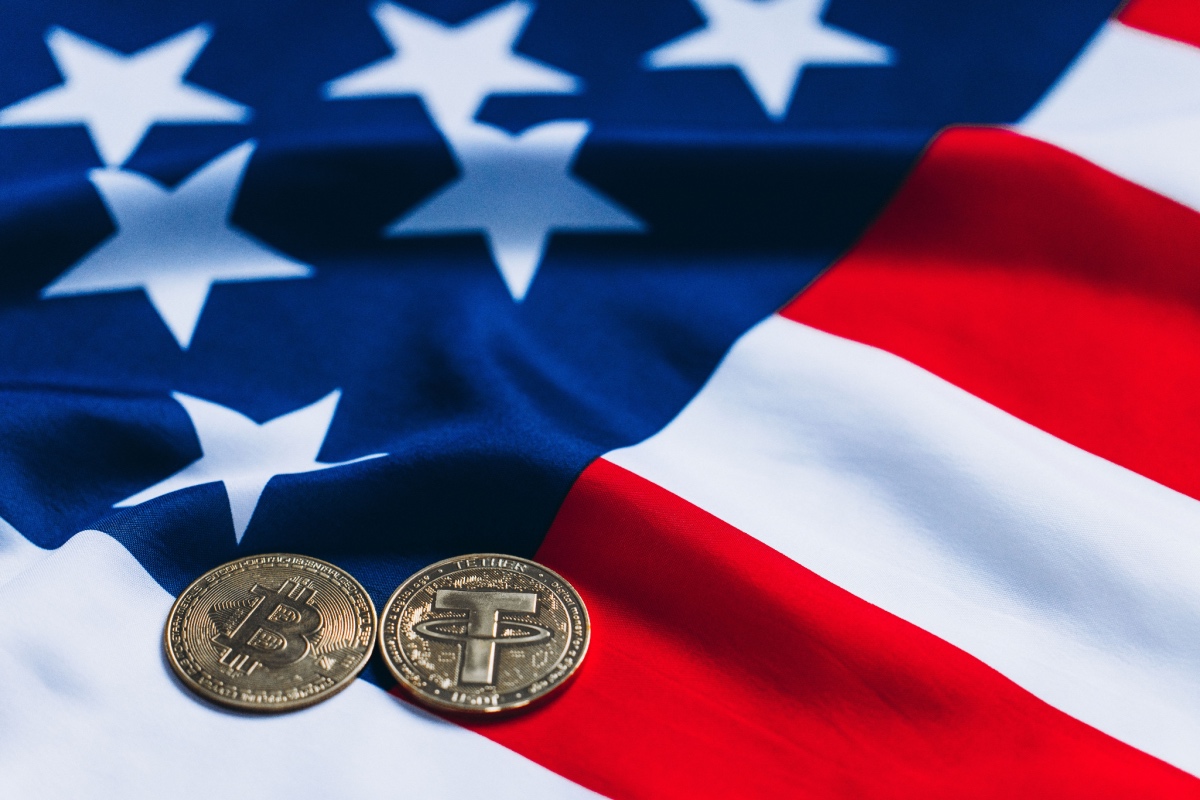
At stake is how the US approaches crypto payments, stablecoin innovation, decentralised finance (DeFi), and regulatory clarity for businesses operating at the intersection of crypto and commerce.
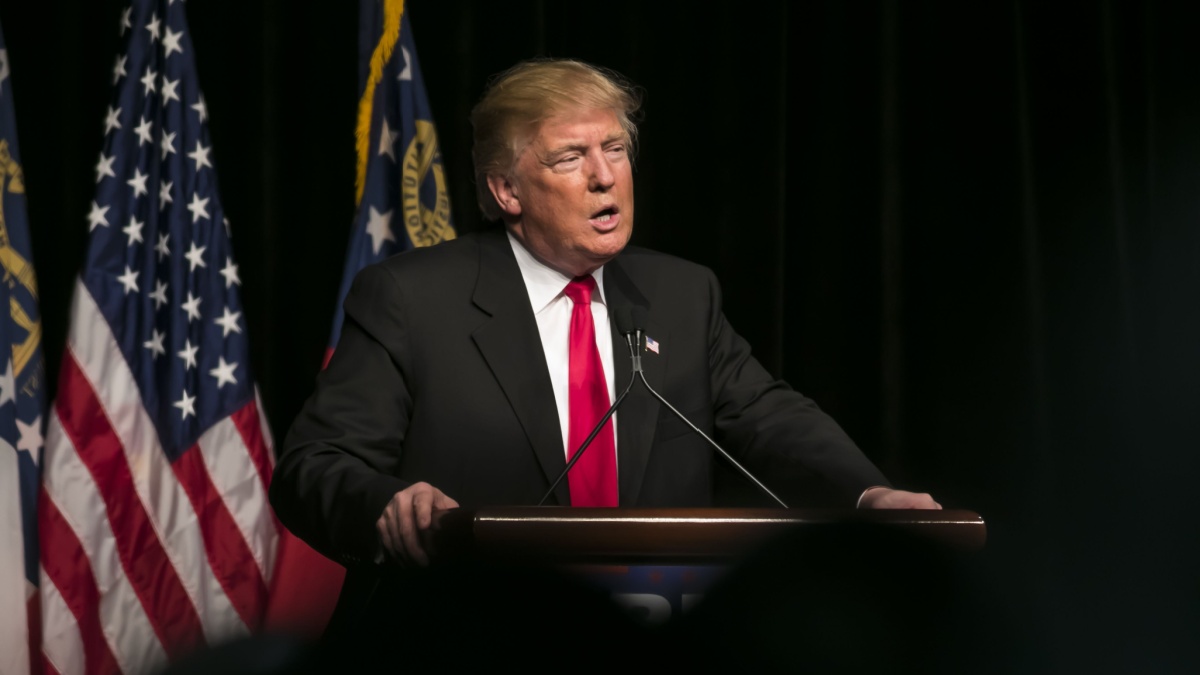
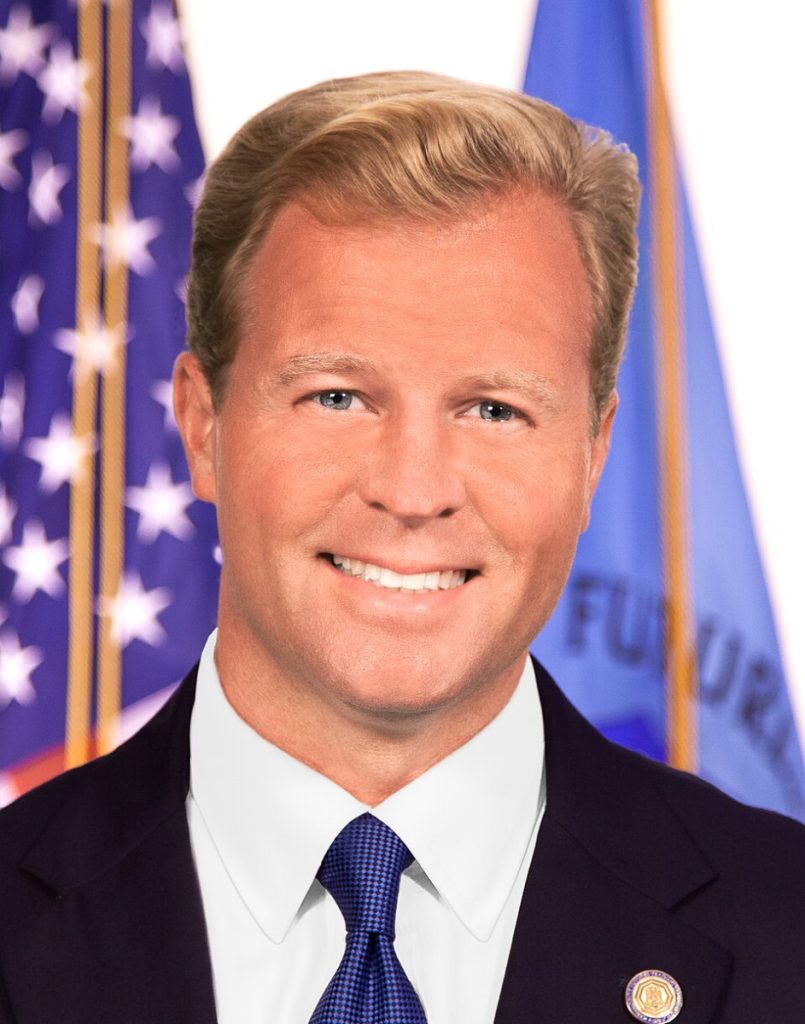
President Donald Trump’s nominee for CFTC chair, Brian Quintenz, is currently in political limbo after the Senate adjourned for its summer recess without advancing a vote on his confirmation.
While the White House reiterated its support last week, it has not formally instructed the Senate Agriculture Committee to reschedule the scrapped vote, prompting speculation that officials are reconsidering the nomination.
“Brian Quintenz remains President Trump’s nominee to serve as chairman of the CFTC,” White House spokesperson Liz Huston said in a statement. “He will help execute President Trump’s mission of making America the crypto capital of the world and we look forward to his swift confirmation.”
A pro-crypto nominee
Quintenz previously served as a CFTC commissioner in the Trump administration from 2017 to 2021, where he became known for his pro-innovation stance on digital assets. After leaving the agency, he joined venture capital firm Andreessen Horowitz (a16z) as head of policy for its crypto fund.
This move placed him at the centre of Washington’s evolving debate on how to regulate the digital economy.
He also served as a board member and financial backer of Kalshi, a platform that offers event-based contracts for prediction markets, according to reports following his departure from the Commission. During a Congressional Hearing, he pledged to resign from both positions if confirmed as CFTC chair to avoid any conflict of interest.
However, reports suggest newly surfaced emails obtained through a FOIA request show that Quintenz’s team requested discussions with CFTC staff about confidential matters while he was still on Kalshi’s board.
The topics reportedly included internal personnel issues and pending market applications, raising further concerns about conflicts ahead of his potential confirmation.
During his time at a16z, Quintenz advocated for a “light-touch” regulatory framework, arguing that the CFTC should have expanded authority over crypto spot markets, not just derivatives.
In public statements and op-eds, he has pushed for clearer jurisdictional boundaries between the CFTC and the Securities and Exchange Commission (SEC), supporting the view that most cryptocurrencies should be treated as commodities, not securities; a position favourable to many in the crypto-payments ecosystem.
If confirmed, Quintenz could further tilt the CFTC toward an innovation-first stance, potentially softening scrutiny of blockchain-powered payment instruments such as stablecoins, decentralised exchange mechanisms, and tokenised payment rails.
A flashpoint for crypto payments
While the Federal Reserve and US Treasury remain the primary architects of traditional payments policy, the CFTC has emerged as a key player in shaping the legal landscape for crypto-native transactions. This includes the use of stablecoins for cross-border settlements, real-time payments over Layer 2 networks, and compliance frameworks for decentralised platforms offering “money-like” services.
The CFTC’s role in overseeing centralised exchanges and clearinghouses – many of which now facilitate payments through crypto wallets or integrations – gives its chair considerable indirect influence over how the digital assets economy interacts with real-world commerce.
Quintenz’s critics argue this makes his industry ties problematic. The Winklevoss twins, founders of crypto exchange Gemini, have urged the Trump administration to reconsider his nomination.
Speaking to Coindesk, Tyler Winklevoss said: “Many in our industry have significant concerns about this nomination. Mr Quintenz is not aligned with the president’s stated agenda and objectives.”
“Quintenz supports prosecuting smart contract developers. [They] need to be protected in order for innovation to flourish and to realize President Trump’s vision of making America the crypto capital of the world.”
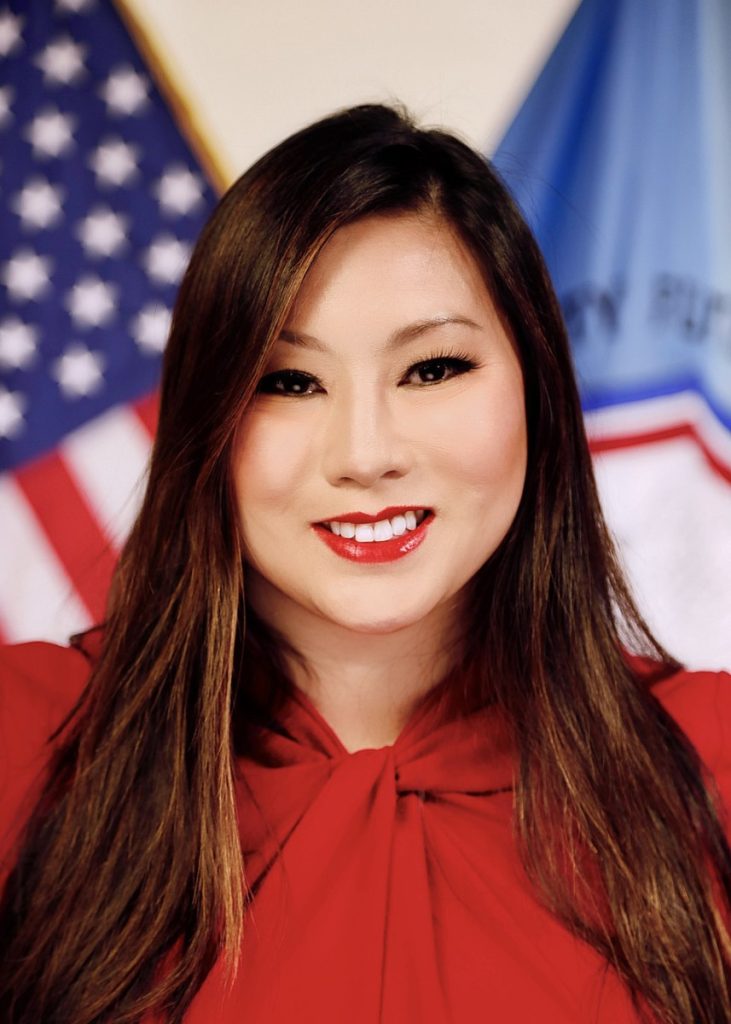
Meanwhile, Caroline Pham, currently acting CFTC chair, is said to have lobbied behind closed doors to remain in the role, as reported by Semafor on August 4.
In a statement responding to the report, a CFTC spokesperson denied Pham sought to undermine the nomination, stating that she “looks forward to returning to the private sector when a new chair is confirmed.”
Still, the delay in the confirmation process has only added to the uncertainty.
Further complicating the situation is the current makeup of the Commission itself. The CFTC is typically governed by a five-member panel, including the chair and four commissioners, to ensure deliberative oversight and internal checks. But with multiple vacancies and upcoming departures, the agency is facing a rare leadership void.
This could leave Quintenz, if confirmed, with near-unilateral control over the agency’s direction during a critical period for digital assets oversight.
Stablecoin oversight and industry alignment
Quintenz’s position at a16z puts him at the centre of stablecoin and payments innovation. The VC firm has backed key players in the space, including Coinbase (issuer of USDC alongside Circle), and has expressed strong views on the need for the US to lead in blockchain-based financial infrastructure.
Under Quintenz’s leadership, the CFTC could become more aligned with the industry’s push for predictable rules on stablecoin issuance, DeFi protocols, and self-custody wallets — all of which are relevant to payment firms either entering or already operating in the digital assets space.
This would contrast with the more cautious, interagency-led approach that has emerged under the Biden-era Financial Stability Oversight Council (FSOC), where stablecoins were flagged as a systemic risk unless properly regulated.
Global consequences
The US is already seen as lagging behind the EU’s Markets in Crypto-Assets (MiCA) framework and the UK’s phased approach to cryptoasset regulation, including a bespoke regime for fiat-backed stablecoins. A shift toward deregulatory policymaking at the CFTC could attract innovation, or open the door to further regulatory fragmentation between agencies like the CFTC, SEC, and Fed.
For payments firms, the risk is twofold: too little regulation may undermine trust and compliance partnerships (especially with banks and card networks), while too much could stifle product development and time-to-market.
With no chair confirmed and Congress unlikely to act until September, the CFTC remains in holding mode. Whether Quintenz ultimately takes the helm, or is replaced by a more cautious alternative like Pham, will send a strong signal about how the US intends to treat crypto within its broader financial infrastructure.