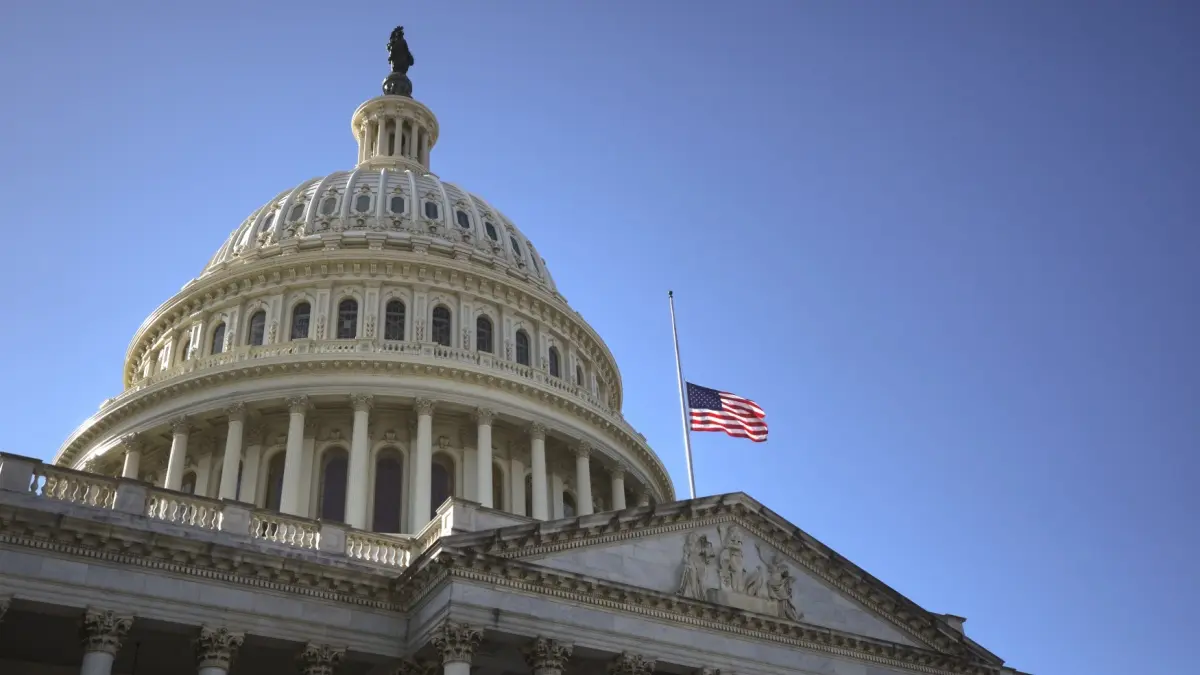
SEC Commissioner Paul Atkins pledges to make the U.S. the “crypto capital of the world” with sweeping reform. And it’s not just crypto firms that should be paying attention
If you blinked, you might have missed it.
In a speech that felt more like a startup keynote than a regulatory statement, US Securities and Exchange Commission head Paul S. Atkins effectively declared the end of the SEC’s decades-long marriage to the analogue financial system.
Forget cautious pilots. Forget sandboxes. Forget the Howey test. According to Atkins, the future of finance is “on-chain,” and America is going all in.
It’s called Project Crypto – a commission-wide initiative that aims to drag securities regulation into the digital age. But beneath the branding lies something far more consequential; a potential rewriting of the rulebook that governs capital formation, asset custody, and trading infrastructure in the world’s largest economy.
“Our regulatory framework need not be anchored to an analog past,” Atkins said at the America First Policy Institute in Washington, D.C. on July 31. “After all, the future is arriving at full speed—and the world is not waiting.”
From chokepoint to catalyst
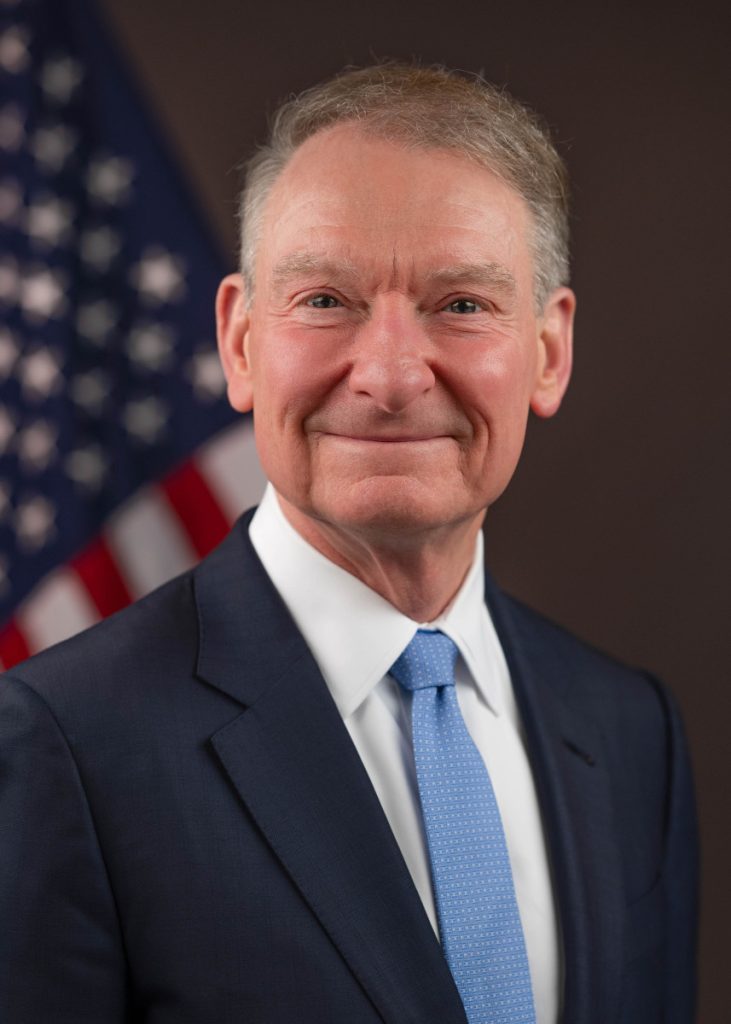
The address represents a sharp departure from the SEC’s recent stance under former Chair Gary Gensler. Atkins criticised the previous “regulation-by-enforcement crusade” and what he described as Operation Chokepoint 2.0, a term used by critics to refer to perceived pressure on banks to sever ties with crypto firms.
“We will reshore the crypto businesses that fled our country,” he said, “particularly those that were crippled by the previous administration’s regulation-by-enforcement crusade.”
Central to the SEC’s new posture is the GENIUS Act, signed into law just weeks ago by President Trump. The legislation sets out a regulatory framework for stablecoins, described by Atkins as “a gold standard”—and includes commitments to further crypto market structure reform before the end of the year.
“Project Crypto,” he said, “will help ensure that the United States remains the best place in the world to start a business, develop cutting-edge technologies, and participate in capital markets.”
To that end, he directed SEC staff to work with the agency’s Crypto Task Force to draft proposals addressing “crypto asset distributions, custody, and trading,” citing the President’s Working Group (PWG) Report released the day before his speech as the blueprint.
Not just a crypto story
While Atkins’ speech focused on crypto, the implications reach far beyond token projects and digital asset firms. Moving financial markets “on-chain” signals a broader rethink of how the SEC views infrastructure, innovation, and compliance.
For traditional players this could mark the start of a major paradigm shift. Tokenised assets, programmable money, and blockchain-based rails are no longer fringe experiments. Under Atkins’ vision, they could become the new default.
Notably, Atkins challenged the SEC’s historical interpretation of the Howey test, the benchmark for determining whether an asset is a security.
“Despite what the SEC has said in the past,” he claimed, “most crypto assets are not securities.” This is likely to spark debate within the Commission and legal community, especially given ongoing litigation and past judicial rulings to the contrary.
He also stated that “the days of convoluted offshore corporate structures, decentralisation theater, and confusion over security status, are over”—a reference to token issuers who structure offerings to avoid U.S. oversight.
A challenge to Europe and the UK?
The EU’s MiCA regulation, the UK’s phased stablecoin regime, and Asia’s growing digital asset hubs have all been designed, in part, to lure innovators away from US regulatory hostility.
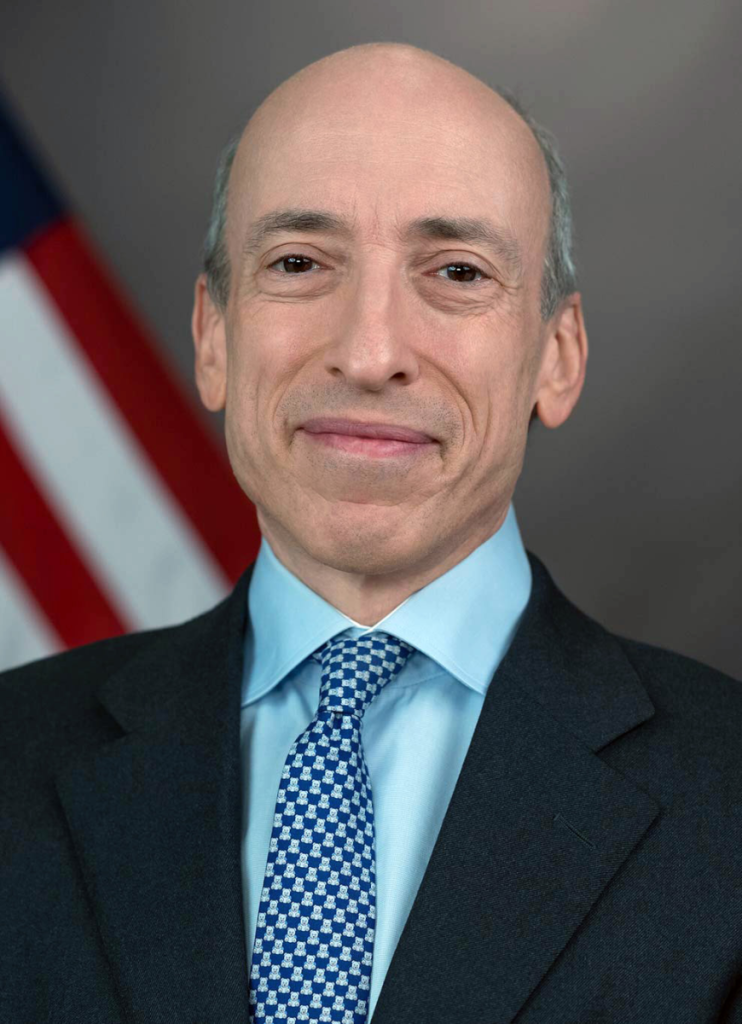
The SEC under Gensler, with its high-profile lawsuits and vague guidance, was increasingly seen as a deal-breaker for emerging blockchain firms.
Now, Atkins is calling time on that narrative.
“We have never been content to follow. We will not watch from the sidelines. We will lead. We will build. And, we will ensure that the next chapter of financial innovation is written right here in America,” he said.
Whether he can deliver on this vision remains to be seen. Congressional support will be essential, as will buy-in from skeptical SEC staffers and coordination with other agencies. But there can be no doubt that the message is the US isn’t content to play catch-up.
You can read Atkin’s full speech here.