As the UK lowers the voting age to 16, Rachael Kennedy takes a satirical look at the contradictions in age-based restrictions — where you’re old enough to help choose the government, but still to young for a credit card or contactless overdraft.
It’s official.
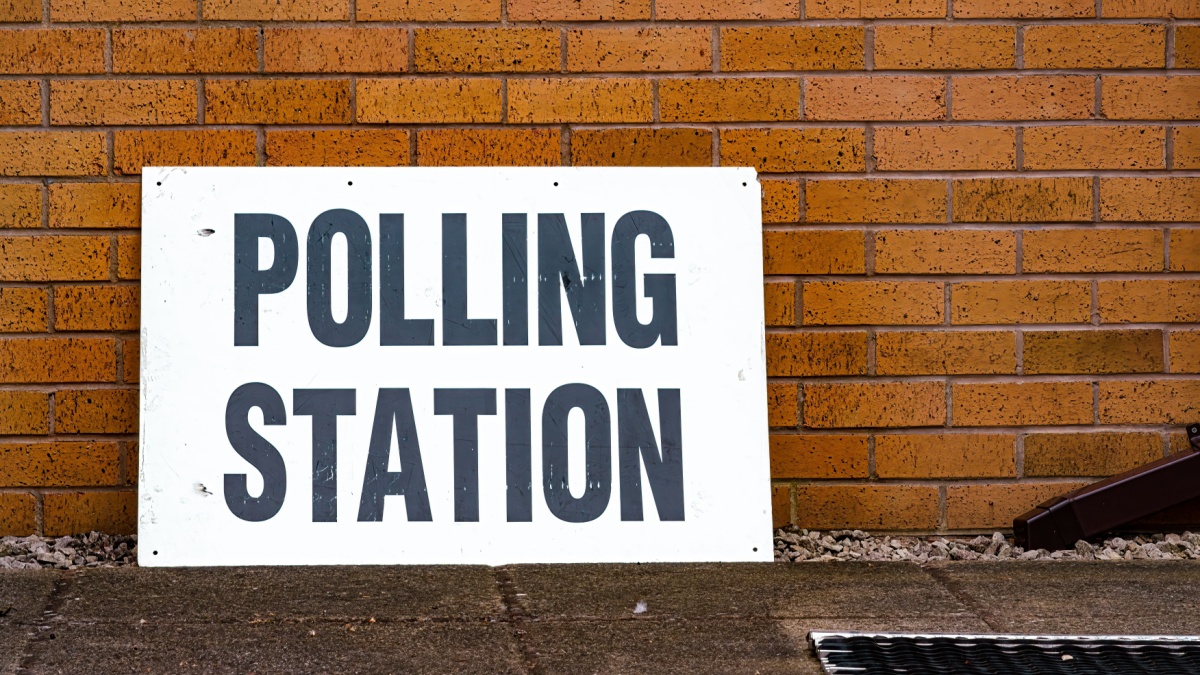
Sixteen-year-olds in the UK will soon have the right to vote in general elections. Because obviously, there’s no one better suited to selecting the next Prime Minister than someone who, until recently, needed a parent to sign off on their GCSE work experience form.
Now, don’t get me wrong. Today’s teenagers are sharp, expressive, and politically vocal – particularly when the WiFi is stable. But even they might admit this is a curious contradiction. In one hand, a ballot paper. In the other, a debit card with daily limits set by Mum’s banking app.
I cast my mind back to being 16. I wasn’t thinking about fiscal drag, tax bands or the intricacies of UK monetary policy. I was trying to decide between History or Chemistry for A-level. Instagram was just taking off, and my biggest political concern was whether I could get away with using an old school photo on my provisional licence. The only trending topic I cared about was Harry Potter and the Deathly Hallows: Part 1.
Yes, we’ve moved on. Teenagers today are more tuned in. But let’s be honest, a large portion of that political engagement comes in 30-second bursts via TikTok. Or worse, from someone on YouTube called “RealKev” explaining foreign policy through Minecraft.
And yet, we’ve decided that this is a fine age to hand over voting rights, while still restricting what that same 16-year-old can do with money.
Let’s take stock.
At 16, you can pay income tax. You can get married (with permission). You can join the Army (also with permission), drive a moped, and work full time. But despite being trusted with ballot boxes and bayonets, here’s what you can’t do:
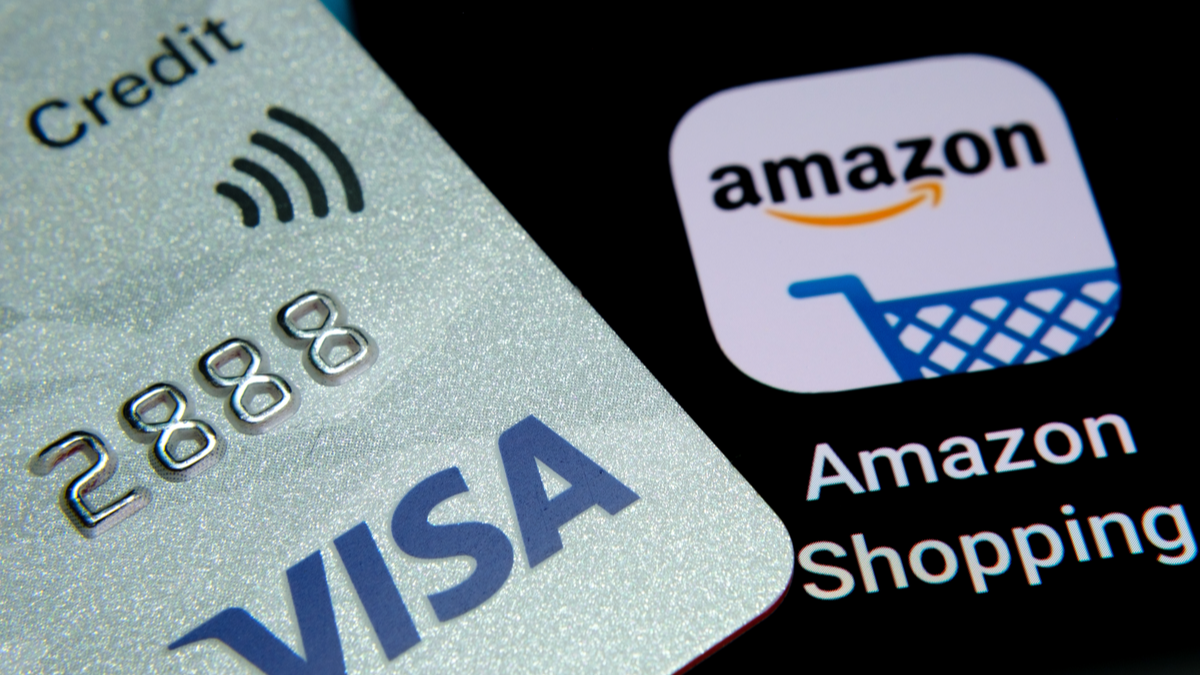
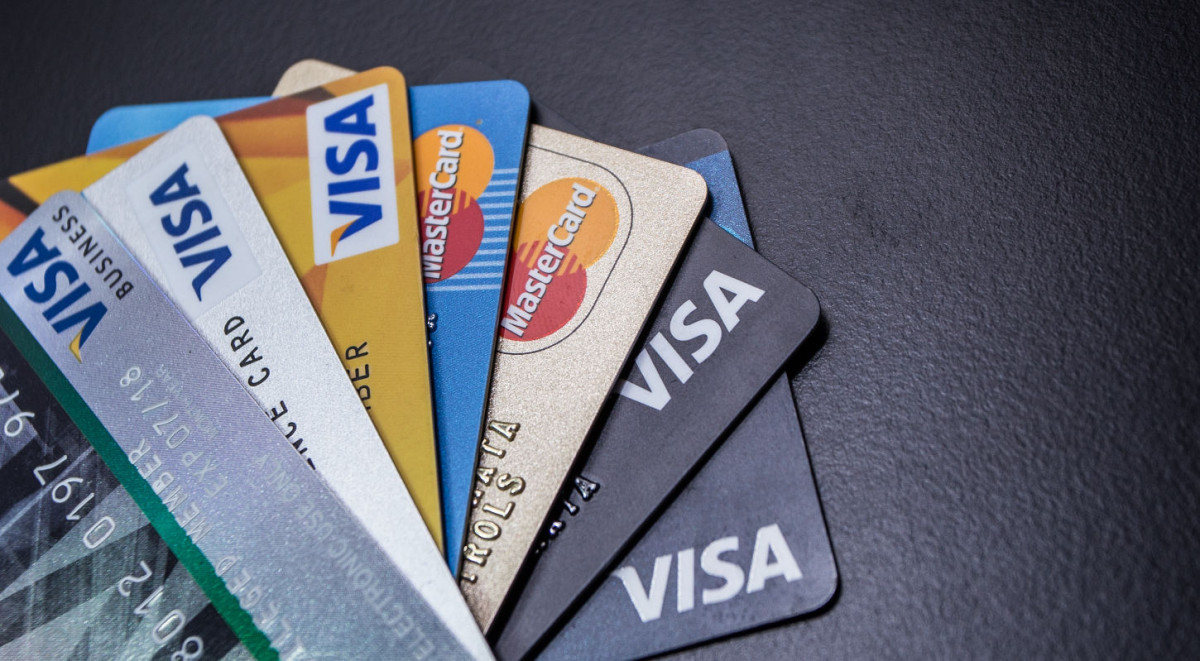
- Apply for a credit card
- Open an investment account
- Access regulated financial products like buy-now-pay-later (BNPL)
- Be legally responsible for a wide range of consumer contracts
- Bet online
- Even open a digital bank account with full features in many cases
So, while you can help elect the government that will regulate Klarna, you still can’t use Klarna. You can vote for the Chancellor who will decide national interest rates, but you won’t be allowed an overdraft. You can influence the party that will set economic policy, yet your maximum daily spend on a prepaid card might still be £30.
In the payments world, these age restrictions exist because of risk: risk of fraud, of coercion, of poor decision-making, of impulse behaviour, of not fully understanding long-term financial consequences. And it’s worth noting that those restrictions were built with technology in mind, not in spite of it.
We don’t allow 16-year-olds to take out a loan because they’re more likely to say yes to the shiny interest-free offer without grasping what “compound interest” means. So why are we fine with them potentially voting for whichever leader is trending on their For You page?
It’s not even about blame; most of us were gloriously underqualified to vote at 16. We didn’t know the difference between fiscal and monetary policy, let alone the implications of a hung parliament. But we also weren’t being encouraged to learn those things. We were being encouraged to revise An Inspector Calls and not break the school phone policy.
Today’s electorate under 18 are more digital, more connected – and also more targetable. They are growing up in a world of algorithm-driven influence, where political content can be indistinguishable from entertainment, satire or even misinformation. In other words, a campaign manager’s dream and a regulator’s nightmare.
In financial services, when someone shows signs of risky behaviour, we apply restrictions. We freeze accounts. We introduce friction. We add layers of verification. Don’t mistake protection for punishment, and in payments, we call that responsible innovation.
So it does seem slightly inconsistent – and frankly unserious – to take an electorate still shielded from the adult financial world and offer them a say in the running of the adult political one. Especially when half of them still can’t register on a payments app without parental consent.
Maybe the best way to prepare the next generation for the vote isn’t just giving it to them early. Maybe it’s to treat civic duty with the same level of procedural caution we do in payments. Provide education, accountability, and limits. Not because they’re incapable, but because their environment is.
And if we won’t let someone withdraw £50 from a digital wallet without safeguards, maybe – just maybe – we should think twice about giving them control over the economic direction of the entire country.