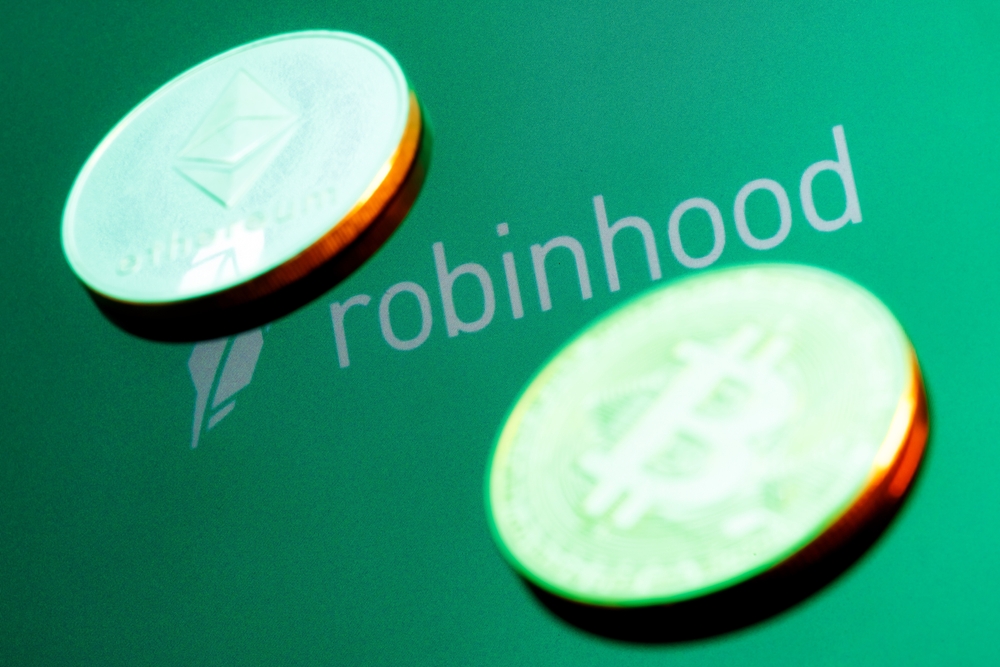
After OpenAI recently came out to state it did “not approve any transfer” of Robinhood’s stock token’s, CEO Vladimir Tenev revealed its latest product is “not technically equity”.
Speaking to CNBC’s “Squawk Box Europe” on July 8, Tenev addressed comments made by OpenAI on X that tokenised stocks offered to European Robinhood customers in the Generative AI company does not represent equity in the company and any equity “requires our approval”.
“We did not partner with Robinhood, we’re not involved in this, and do not endorse it,” said OpenAI.
Tenev responded to clarify that while this is “not technically equity”, he believes the stock token product is necessary to provide a gateway of exposure to private company stocks that would otherwise be unattainable.
“I don’t think it is entirely relevant that it is not technically an equity instrument. What is important is that retail customers have an opportunity to get exposure to this asset, which is incredibly important.”
As OpenAI is a non-profit organisation, no single person can acquire equity or shares in the company. However, due to the mass adoption of Generative AI and OpenAI’s ChatGPT, OpenAI is privately owned by its controlling non-profit company.
“I think one of the biggest problems we have today is we are building this AI (with) most of the companies on the bleeding edge of private, and it has tremendous opportunity to disrupt the status quo,” continued Tenev.
“I think the best way we can make sure it benefits the rest of humanity is to give exposure to it, make sure they can benefit from the rise of this technology.”
In regards to OpenAI’s statement, Robinhood’s leading European regulator, the Bank of Lithuania, is awaiting clarifications on the structure of the stock tokens product, according to CNBC.
The bank stated its clarification on trading products “must be provided in clear, fair, and non-misleading language”.
Tenev has welcomed questions from the Bank of Lithuania regarding the infrastructure of stock tokens and believes it will “withstand scrutiny” over time.
Tokenisation of stocks
Tenev and Robinhood revealed the stock token product launch during a European keynote speech in Cannes last week, making the product available to European Union users only.
Robinhood’s CEO announced stock tokens would enable its EU customers to access US-listed equities – private and public – by tokenising each share into a single token. Each token is backed by an actual share purchased in the US market, functioning as a digital representation of that holding.
During the keynote speech, Tenev reiterated the stance he took during his CNBC segment and acknowledged the potential emanating from the financial services industry around tokenisation. However, he noted there was a tangible lack of products available to customers.
“I believe that tokenisation is going to open the door to a massive trading revolution, making it possible to own or even fractionally own, all kinds of real-world assets and financial instruments that were never accessible or tradeable by most people before,” said Tenev last week.
A new stock token player?
Robinhood may not be the only player in the stock token market, as Bitget announced on July 9 it plans to launch tokenised stocks on its Onchain platform.
Bitget will work alongside xStocks to expose its crypto users to stocks from multinational companies, such as Tesla, Nvidia, Circle and Apple. These assets will be issued by xStocks and their value replicated and accessible on Onchain.
The cryptocurrency exchange cited similar reasons to Tenev of its tokenised stocks launch, aiming to bring assets to investors that have been “limited by geographic, regulatory, and operational constraints”.
“We’re entering a new phase of market access, one where crypto, stocks, and traditional finance don’t compete, they coexist and complement each other,” said Gracy Chen, CEO at Bitget
“With tokenised equities on Onchain, we’re giving users the ability to move between asset classes with the speed and flexibility of Web3, while still connecting to the value of traditional markets.”
Bitget Onchain supports asset class exposure backed by blockchain technology from Solana, Base and BNB Smart Chain. Users are able to separate wallets and private key management, enabling them to launch a tokenised equity pool.
With both Robinhood and Bitget’s stock token offerings operating 24 hours across the five weekdays, it is clear both companies are aiming to break down the traditional barriers of the trading market. Whether they may run into regulatory hurdles of this new innovation remains to be seen.