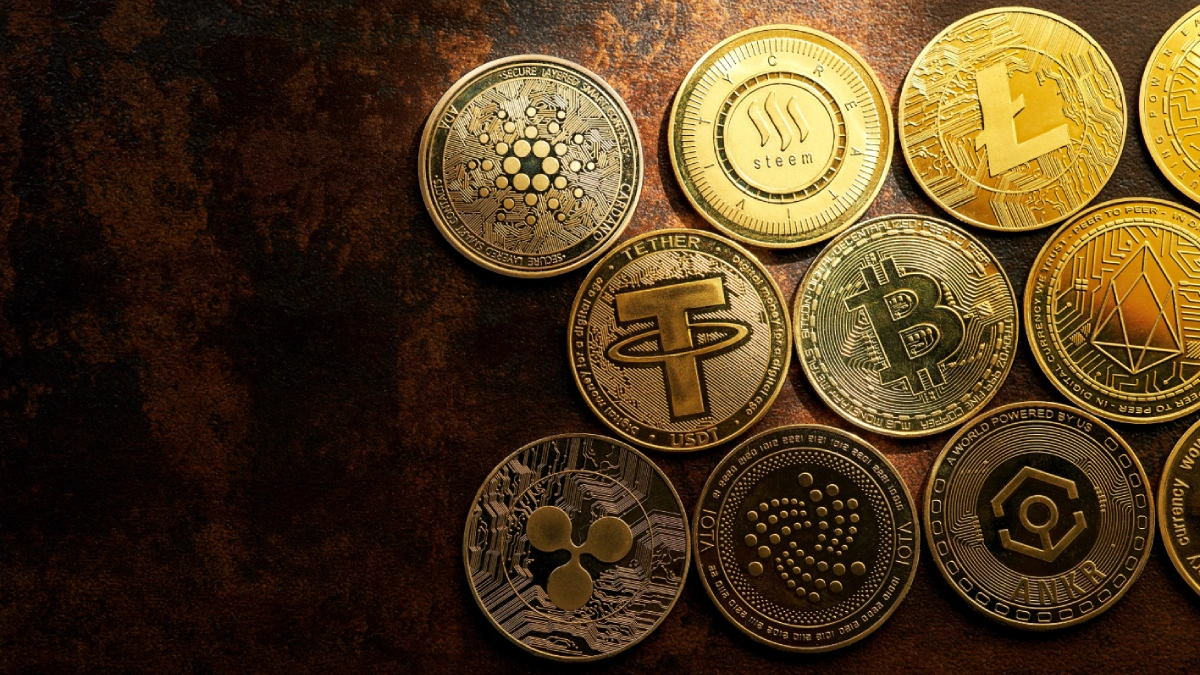
Bitget and Robinhood are making waves with their tokenised stock options services, disturbing traditional stock markets.
When Robinhood announced in late June its Stock Token’s launch, CEO Vladimir Tenev described it as a “glimpse of a better future”. But what does this future look like?
Sceptics were quick to raise questions: Are tokenised stocks legal? Do they represent real equity in companies? And can they be considered safe and secure? Supporters, however, argue this is simply the next logical step in the wider trend of tokenising real-world assets.
Many within the global financial industry would have heard of tokenisation at least once, being deployed to remove 16-digit card numbers for e-commerce transactions for instance. But the concept is now moving into capital markets.
McKinsey forecasts the tokenised stock market could hit $2trn in valuation, which perhaps explains why Robinhood, and now Bitget, have launched tokenised stock option services to its customers.
What are tokenised stocks?
In Robinhood’s EU product, a “stock token” is a derivative contract between you and Robinhood Europe that mirrors the price of a US stock or ETF. You get price exposure and (for public companies) dividend pass-through, not shareholder rights such as voting.
Robinhood described it as follows: if a European customer were to buy $100 worth of Apple stock, the customer would receive 100 tokenised Apple stock tokens into their Robinhood account.
Public-name tokens track exchange-listed stocks, while the private-name giveaway referenced Robinhood’s SPV exposures and weren’t tradable or transferable at launch.
The process involves the use of Robinhood’s Layer-2 built-in blockchain, connecting to a US brokerage and conventional financial markets to complete the underlying trade. The share, or shares, is then minted into single tokens, held in an account.
“Gone are the days of complicated international trading setups.” – vugar usi Zade
Tenev cited past user experience friction issues as to why he believed adoption of tokenised stock options has not yet exploded. But Bitget have a slightly different approach.
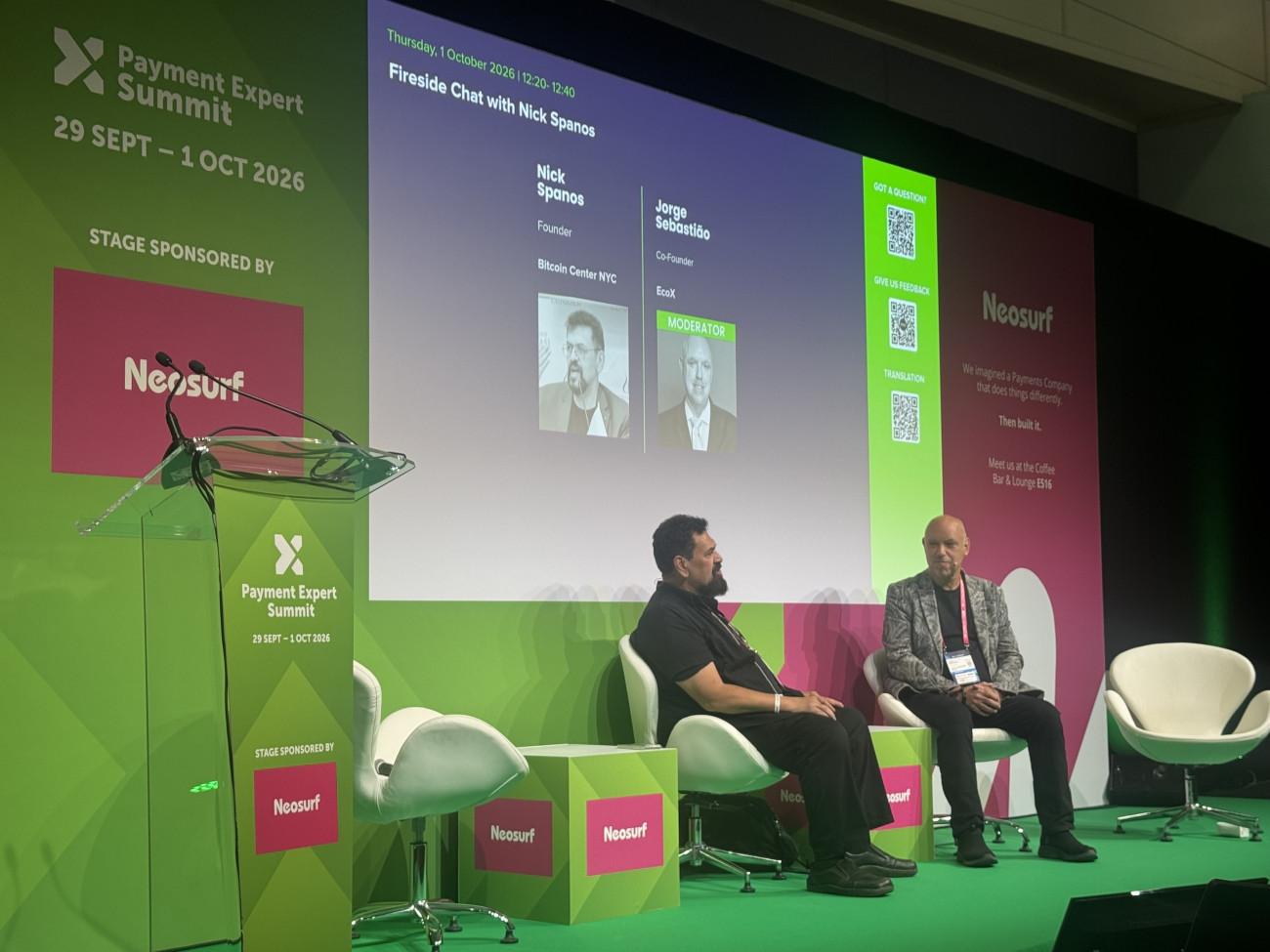
While the same premise of purchasing US stock options and converting them into tokens still applies, COO at Bitget, Vugar Usi Zade, told Payment Expert Robinhood’s Stock Tokens product keeps things “more traditional and centralised, just with a blockchain twist”.
Bitget’s Onchain platform, however, “gives you more freedom with what you can do with your tokens” as its tokenised stock service is built entirely on public blockchains, according to Usi Zade. Meanwhile Robinhood’s option runs on its in-house blockchain and “their tokenised stocks stay within their ecosystem – you’ll need a Robinhood account.”
Both Bitget and Robinhood allow customers to trade tokenised stocks 24 hours a day, five days a week. As Usi Zade points out, this can be useful for investors who feel the urge to buy into a company outside of traditional market hours.
Beyond convenience, tokenised stocks also promise to democratise access. By lowering barriers to entry, they give everyday investors the chance to participate in markets and stock options which were once the preserve of large institutions.
Equity vs. Exposure
Traditionally, buying shares in giants like Apple, Amazon or Microsoft was neither possible nor made sense for first-time investors, unless they were prepared to endure a gruelling verification process that could take up to weeks to finalise.
Tokenised stocks have changed that. By streamlining onboarding, they allow newcomers to access high-value shares almost instantly, wherever they are.
“Gone are the days of complicated international trading setups,” said Usi Zade. “Now you can invest in companies worldwide from your phone, without jumping through hoops or dealing with foreign brokers.”
With blockchain technology acting as an accelerator to settle stock purchases, this latest innovation is enabling speed-to-market for investors and simplifying the process by being able to buy, sell and manage these stocks directly from their phones.
For the Robinhood CEO Tenev, the real value lies less in the technical definition of equity and more in the exposure these products provide to otherwise hard-to-reach assets.
He told CNBC in June he doesn’t think it is “entirely relevant” that investing in tokenised stocks is “not technically an equity instrument”.
Tenev would rather focus on the valuable exposure these tokenised stock options bring to investors, as opposed to the stock value itself. But Robinhood’s Stock Tokens have also prompted questions over their structure and regulatory footing, leaving open debates about what investors are actually buying.
Public access to private stocks?
In the same CNBC interview, Tenev was questioned about the validity of Robinhood investors in Europe being able to purchase stocks in private companies such as OpenAI and SpaceX.
While he continued to assert the company was affording its customers valuable exposure to these stock options, OpenAI swiftly responded to Tenev’s remarks by stating: “We did not partner with Robinhood, we’re not involved in this, and do not endorse it”.
Per Robinhood’s own documents, these instruments are OTC derivatives issued by Robinhood Europe and represented as blockchain tokens; in other words, they track an underlying asset but don’t confer shareholder rights.
For the private-company promo, the tokens reference Robinhood’s economic exposure via fund units in SPVs and initially can’t be traded or redeemed, only sold back to Robinhood if and when that facility is enabled.
The possibilities of tokenised stock options into public companies, such as Apple, Tesla and Nvidia, appear to be endless, however.
“We made a smart move by sticking to public companies rather than diving into private shares,” said Usi Zade. “Everything’s out in the open – public companies have to share their numbers and important updates regularly.
“It’s safer for everyday investors – you can easily check the value of your investments and sell when you need to. Just look at what happened with Robinhood when they tried to offer private company shares like OpenAI and SpaceX. It turned into a bit of a mess because there wasn’t enough public information available.”

Regulatory issues?
When the Robinhood-OpenAI misalignment was out in the open, CNBC reached out to the Bank of Lithuania – Robinhood’s European regulator – over the regulatory stance involving its Stock Token product.
In July 2025, the central bank stated it was “awaiting clarifications” on the structure of Robinhood’s tokenised stocks feature and would “assess the legality and compliance of these specific instruments”.
This is where tokenisation has once again blurred the lines between the traditional and decentralised finance spaces.
Within the guidelines of the European Union’s Markets in Crypto Assets (MiCA) regulation, tokenised stocks are classified as financial instruments and must adhere to traditional stock trading laws, such as the EU’s Markets in Financial Instruments Directive (MiFID II).
Therefore, in order for Robinhood to offer its Stock Tokens product, it must have complied with the relevant KYC/AML requirements from the Bank of Lithuania for the service to launch.
Bank of Lithuania regulations state: “In order to qualify as a transferable security within Article 3 (52) of the Law on Markets in Financial Instruments, the token should qualify as: (a) circulating in the capital market shares in companies and other securities equivalent to shares in companies, partnerships, and other entities, as well as depository.”
The question now is whether Robinhood anticipated the regulatory grey areas its tokenised stocks would inevitably trigger, or whether the move was simply a bold attempt to democratise access to high-value shares, even if the products themselves stop short of being recognised as legal equity.
The future of stocks, or an alternative option?
Tokenisation has been one of few major breakthroughs from blockchain technology which has gathered the imagination of the traditional financial sector.
When BlackRock CEO Larry Fink believes tokenisation of financial assets would be a “revolution” for investing, the ability to tokenise real-world assets like stocks may be offering a glimpse into the future of finance, as Tenev would describe.
While there are still early growing pains with tokenised stock options – pertaining to user experience and the aforementioned regulatory ambiguity – for companies like Bitget, they believe tokenised stocks enable them to “bring traditional stocks into the crypto world”.
“By teaming up with xStocks, we have made it possible to trade familiar names like Tesla, Apple, and Nvidia – plus index funds like the S&P 500 – right alongside your crypto holdings,” added Usi Zade.
For potential first time and even existing investors, tokenised stocks represent a new and potentially easier pathway onto the stock market.
For businesses, they may represent another disruption from the blockchain sector they may have to contend with before it rapidly explodes overnight. If we can learn anything from crypto, this could be a real possibility.