Copacabana Beach is on the horizon for a majority of companies within the betting and gaming industry as Brazil is set to launch one of the most lucrative markets in the world in the coming months.
As operators have already begun to apply for licences to launch in the country by early January, a crucial aspect for companies upon market launch is which payment method will become the backbone of its payment processing. It’s pretty clear there is only one answer.
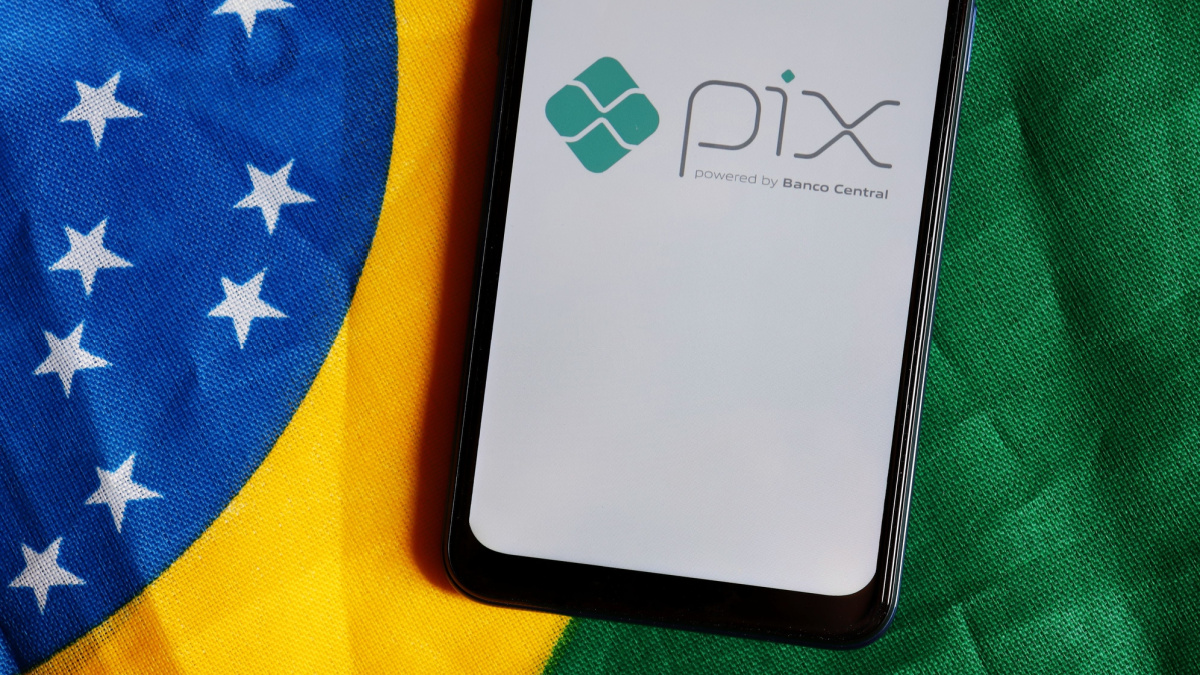
PIX, the Brazilian central bank-backed payment service, has undisputedly taken the reins as Brazil’s predominant payment method amongst citizens since launching in 2020.
During a Payment Expert Summit panel, leaders within the gaming and payments industries discussed why operators should undoubtedly be integrating PIX, what regulations to consider when entering Brazil, and why the sheer size of the country calls for more localised approaches to preferred payment methods.
According to Roberto Regianini, CCO of PayBrokers, PIX represented over 90% of all igaming transactions over the past year in Brazil. For PayBrokers, it processed almost 100 million PIX transactions in August alone, equating to 2% of the total amount of PIX transactions in the entire country.
Not only does Regianini’s findings signify PIX’s vital importance to not just the customer, but it brings forth added value for an incoming operator who will no doubt look to start on a strong note as it enters the Brazilian gaming market.
However, despite having a predominant, easily integrated payment method like PIX that can kickstart an operator’s proceedings, because it is so popular amongst Brazilians, every licensed operator in the country will implement it. This is the competitive challenge for operators.
Thomas Carvalhaes, an igaming expert out of Latin America, declared “welcome to the jungle” to any incoming Brazilian operators as he believes that there will be an early power struggle between companies on who can best leverage PIX to their advantage.
As the central bank payment method can be integrated into all operator payment processes and acts the same for all, Carvalhaes believes that operators will need to get creative with how they will offer PIX to their customers, especially as the Brazilian gambling regulations outlaw incentives such as free bets, bonuses, rewards, etc.
He said: “For me as an operator, I need to think about speeding up the client’s leverage of PIX.
“Everybody else out there is offering instant PIX because, in its nature, it is instant, 100% free and charged by the government. However, I think the main challenge is to understand how you market this opportunity, and what type of leverage do you have over your competitors.
“Within the regulations of Brazil, bonuses will not be allowed. So what kind of incentives are operators going to throw out there, because that is the main challenge I believe operators are asking.”

Marketing of PIX and marketing of a brand comprise the same issues betting and gaming companies will encounter when entering the Brazil market.
Whilst the extraordinary popularity of football will no doubt be leveraged with sponsorship and advertising deals with Brazilian legends of the sport, such as Ronaldo Nazario with Betfair and Ronaldinho with Booming Games, operators will be under compliance controls of the regulation when it pertains to responsible gaming.
This is just another challenge that operators must consider according to Ari Celia, Director of payment firm Pay4Fun, as the market is all encompassing and requires different strategies to any mature market it is active in.
He shared: “The big issue is to adapt to everything that is set, in terms of system, customer service, people, training. We are spending a lot of our efforts in training to help them prepare for this launch.
“In terms of PIX, we don’t just have PIX itself, but also a PIX gateway and a digital wallet. So we are ready. As an authorised payment institution in Brazil, we have been working and complying with the financial regulations since the beginning.
“For the operators, there will be challenges in terms of marketing, advertising for specific customers. We have seen in the past, many issues related to bet advertising, especially the digital and social influencers. I really hope the operators are spending a lot of money for licences and taxes, they take care of their advertising and marketing too.”
Entering any newly regulated market, whether that be for gambling or payment companies, can be difficult in the early stages of adapting to new regulations that cater to a new customer base.
For Brazil, certain rules and compliance standards, such as the ban on rewards-based marketing initiatives, will almost be entirely new to some operators setting up shop in Brazil.
Therefore, a key challenge in its own right is understanding the full spectrum of the regulatory and compliance guidelines that have been set out by the government.

For payments companies in particular, regulation is nothing new. However, for payment regulations under the new gambling bill in Brazil, there are certain parameters such as a ban on credit card and crypto deposits that may completely alter an operator’s initial rollout of its services upon market launch.
This was broken down by Vitoria Lopes Goellner, the Legal Counsel for Bet77, who noted that the segregation of funds between operators and players has been of the utmost significance to policymakers upon drafting and finalising regulations.
Goellner stated that the payment method ordinance “ensures that all payments can be made through providing operators without affecting the health of financial companies”.
Overcoming these regulatory hurdles was cited as one of the major challenges for Celia when rounding out his list of challenges for incoming Brazilian operators.
He concluded: “The biggest challenge for everybody right now is to adapt to the regulation. There are many things that have been introduced by the government, some of them in my opinion are very good as they address the issue to the point. I trust they will update some of the regulations that I believe need to be worked on before the market goes live.
“The regulation in total is very beneficial. It has been a dream for this industry as it has been in the works since 2018 having been waiting for this moment, and now, it is finally here.”
There are a plethora of challenges and obstacles for both gambling and payments operators to consider once entering the Brazilian market in January next year. This is not to mention the localisation efforts companies must focus on to serve customers from Rio de Janeiro to Sao Paulo, and everywhere else in one of the largest countries in the world.
Brazil represents a major opportunity for companies in both industries to gain a foothold in a culturally enriched football and sports country, whilst benefitting from a payment service like PIX that can be easily integrated to help process payments from the immediate rush from customers.
But just like with all new things, operators should not rush into any market without doing proper due diligence and compliance checks to ensure a seamless launch. Otherwise, they may be in danger of getting lost in the jungle and significantly behind the leaders of the food chain.