Project Agorá has entered live testing to assess how tokenised deposits perform in wholesale cross‑border payments.
Lloyds Banking Group has completed three live tokenised deposit transactions as Project Agorá moves well into its real‑value testing phase.
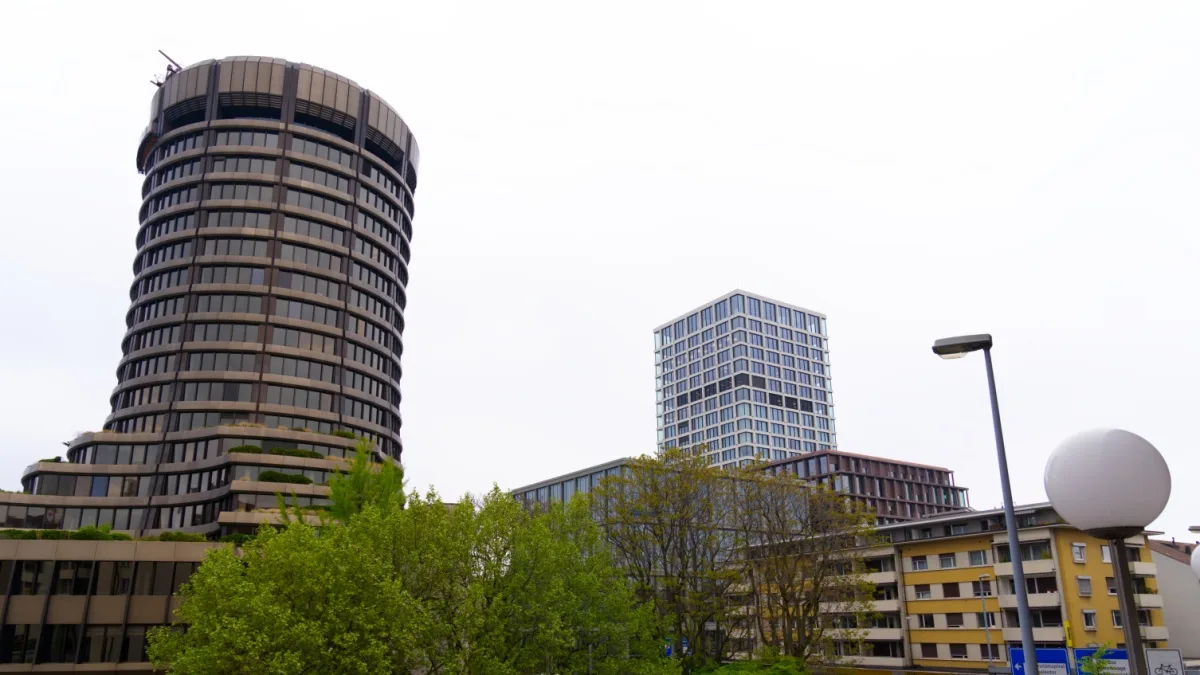
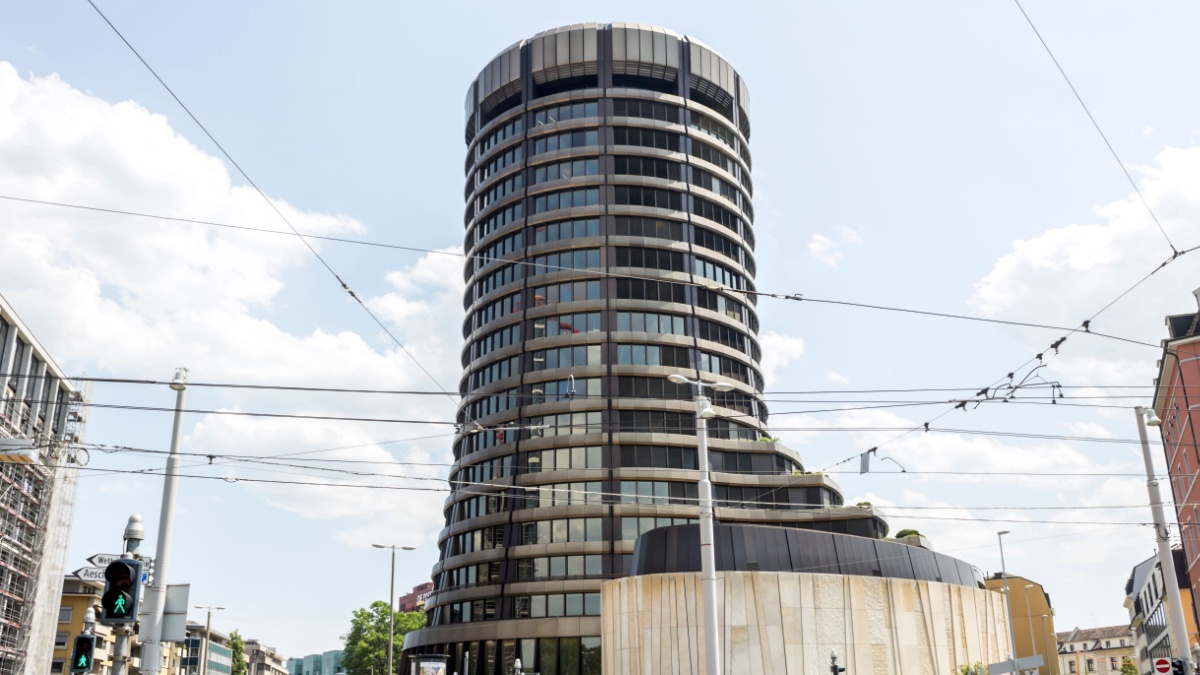
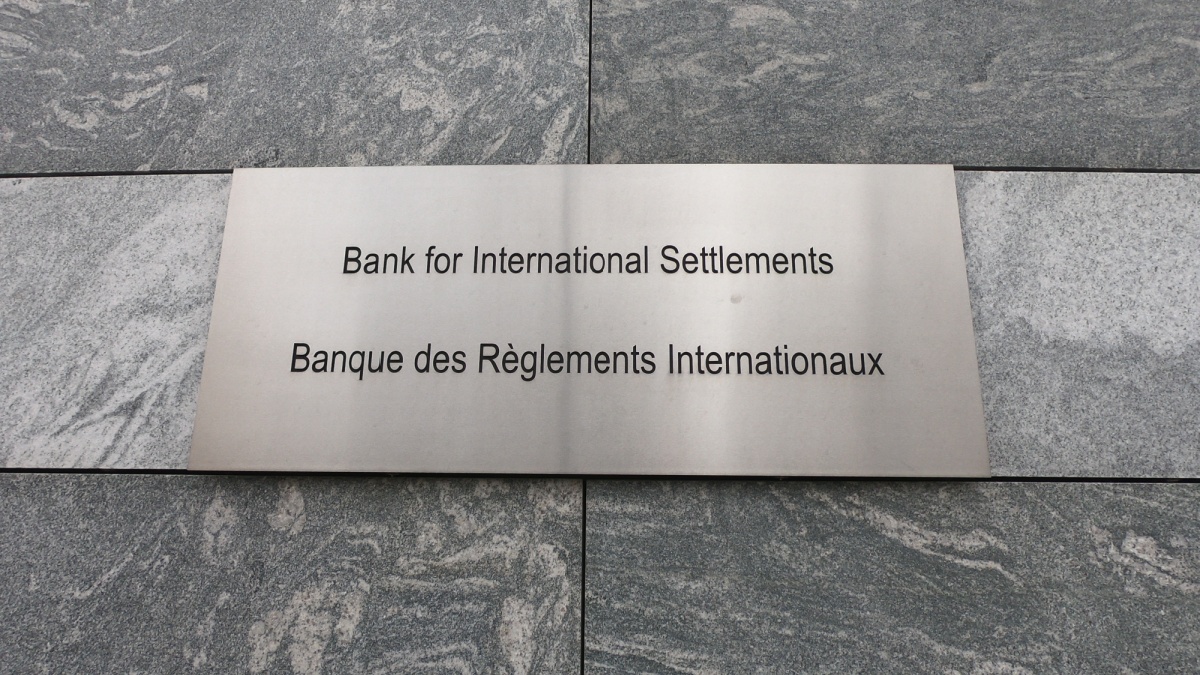
Project Agorá is a global initiative led by the Bank for International Settlements (BIS) and the Institute of International Finance to explore how tokenised central bank reserves and commercial bank deposits could operate on shared programmable infrastructure.

The tests saw Lloyds carry out transactions across Swiss francs, euros and sterling, using tokenised commercial bank deposits to explore how the technology behaves in real‑life scenarios.
In one cross‑currency transaction, Lloyds’ Corporate Markets business converted Swiss francs into sterling, with Lloyds Bank providing the sterling settlement. The FX conversion, payment and settlement were linked so the transaction occurred simultaneously, unlike in usual cross‑border payments where these steps occur separately.
Executing FX conversion, payment and settlement at the same time is a key advantage of tokenised deposits and is seen to significantly reduce friction and settlement risk.
“This testing has allowed us to bring together our payments, settlement and foreign exchange capabilities in a cross‑currency transaction,” said Peter Left, Head of Digital & Markets Innovation at Lloyds Banking Group.
“It gives us valuable practical insight into how tokenisation could help reduce friction and settlement risk in wholesale payments, while operating within the regulated banking system.”
What the tests showed
Lloyds’ press release did not reference the other institutions involved in the same real‑value scenarios, although Deutsche Bank confirmed it acted as intermediary agent for a euro‑denominated payment between Lloyds and CaixaBank under Project Agorá’s testing programme.
This payment formed part of a broader real‑value phase involving 23 financial institutions across Asia, Europe and North America as well as five central banks. In total, participants completed transactions worth approximately CHF 800,000 across six currencies.

According to the BIS, the prototype supported a wide range of wholesale cross‑border payment use cases, including corporate and interbank single‑ and dual‑currency payments, payment‑versus‑payment transactions and intragroup transfers.
The average time from payment initiation to settlement was around 1 minute and 20 seconds. Participants also highlighted the platform’s end-to-end visibility of payment status and routing, as well as its support for direct corporate payment processing.
“In a landscape with fragmented infrastructure, the role of correspondent banks will be significantly rewired,” said Sabih Behzad, Head of Digital Assets and Currencies Transformation at Deutsche Bank.
“Project Agorá is significant because it brings central banks and private‑sector institutions together to explore how tokenised central bank money and commercial bank deposits can operate on shared infrastructure.”
What’s next for Project Agorá?
Project Agorá’s real‑value testing follows three years of development across the public and private sectors. The BIS first outlined the conceptual foundations in June 2023, publishing a blueprint for a unified ledger combining tokenised central bank money and commercial bank deposits.
The project formally launched in April 2024 together with seven central banks, with more than 40 commercial institutions joining later that year to build practical wholesale payment use cases.
Throughout 2024 and 2025, the consortium developed and refined a shared programmable prototype, testing atomic settlement, multi‑currency workflows and cross‑jurisdiction legal alignment. The BIS Innovation Hub then published its findings in May 2026, validating that 24/7 atomic cross‑border settlement was technically feasible.
The current real‑value phase is the transition from synthetic testing to live transactions using actual funds.
Moving forward, the consortium will focus on analysing trial results, refining platform design and addressing legal, operational and liquidity considerations. Insights from participating banks, such as Lloyds, will inform future multi-currency pilots and help determine whether Agorá progresses into a production‑grade, live settlement infrastructure.