US P2P payments experience a fraud challenge as new platforms bring transfers closer to social media
Block, parent company of peer-to-peer (P2P) payments platform Cash App, has agreed to pay $45m (£33.59m) for failing to protect users from fraud and scams.
The settlement, led by New York Attorney General Letitia James and joined by attorneys general from 45 other states and jurisdictions, requires Block to bolster its fraud prevention measures, improve customer support and stop making misleading claims about Cash App’s safety.
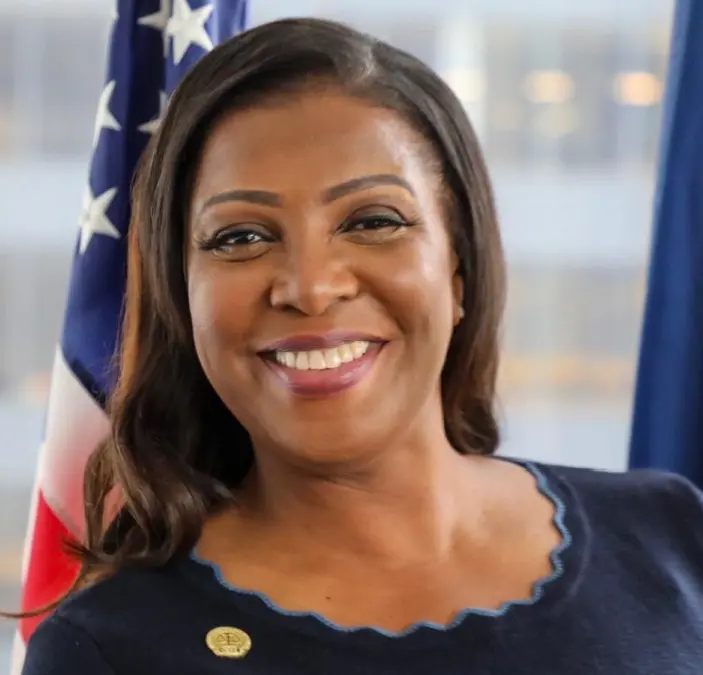
“New Yorkers were promised that Cash App was a safe and secure platform to send money, but in reality, the app exposed them to rampant fraud,” James said.
“For years, Cash App users lost money to costly scams because Block cared more about profits than protecting its users. I am proud that this bipartisan group of attorneys general came together to hold Block accountable and ensure Cash App protects its users’ funds.”
The investigation found that Block failed to provide the fraud protections it had promised users and, in some cases, those required by law. Regulators also alleged that weaknesses in Cash App’s account controls and customer support processes allowed scams and APP fraud to spread across the platform.
In addition to the financial penalty, the company must introduce 24-hour customer support, investigate fraud complaints, reimburse users for unauthorised transactions and provide greater consumer education around common scams.
How Cash App inadvertently helped scammers
Initially launched in 2013 as Square Cash, the platform became one of the most popular ways for people to send money to friends and family due to its ease and speed compared with traditional banking rails.
However, regulators said that Block failed to match this growth with proper fraud prevention measures and customer protections.
The investigation found that Cash App users were given the impression that their funds were protected to the same extent as those held with traditional banks, despite the platform not operating as a bank.
Block was accused of failing to properly investigate unauthorised transactions, with regulators alleging that some fraud complaints were closed without the required review process. In some cases, users were directed to contact their banks for support rather than receiving assistance from Cash App.
Regulators also claimed that the app’s onboarding process allowed bad actors to create networks of accounts, while the lack of a phone support line made it easier for scammers posing as customer service representatives to target users.
This type of app fraud has become an increasing challenge across digital payments, with consumers believing they are sending money to someone they know or trust.
Promotional campaigns were also a point of contention for regulators during the investigation, specifically Cash App Fridays. The social media campaign encouraged users to publicly share their Cash App identifiers for a chance to win prizes.
Regulators said that scammers used this information to contact users while pretending to be Cash App representatives and trick them into handing over account details.
P2P problems getting worse?
A coalition of 46 attorneys general was required to secure this settlement. This differs from the UK, where banks and payment providers are required to reimburse victims of APP fraud under mandatory rules introduced in October 2024.
In the US, however, authorised payments made by consumers themselves are not covered by the same level of reimbursement requirements, leaving regulators to rely on enforcement action against individual companies.
Cash App is not the only P2P platform facing scrutiny over fraud prevention. Zelle, one of the largest payment networks in the US, has also faced pressure over concerns that users were not protected from scams conducted through the platform.

The issue is likely to become even more relevant as new entrants move into the P2P payments space. X Money, the payments arm of Elon Musk’s X, began a phased rollout last month, including P2P transfers for selected users.
The platform will likely receive a lot of attention from regulators given the link between social media and APP fraud. Many scams begin through social platforms, with JPMorgan finding that nearly 50% of reported scams on Zelle began on social media.