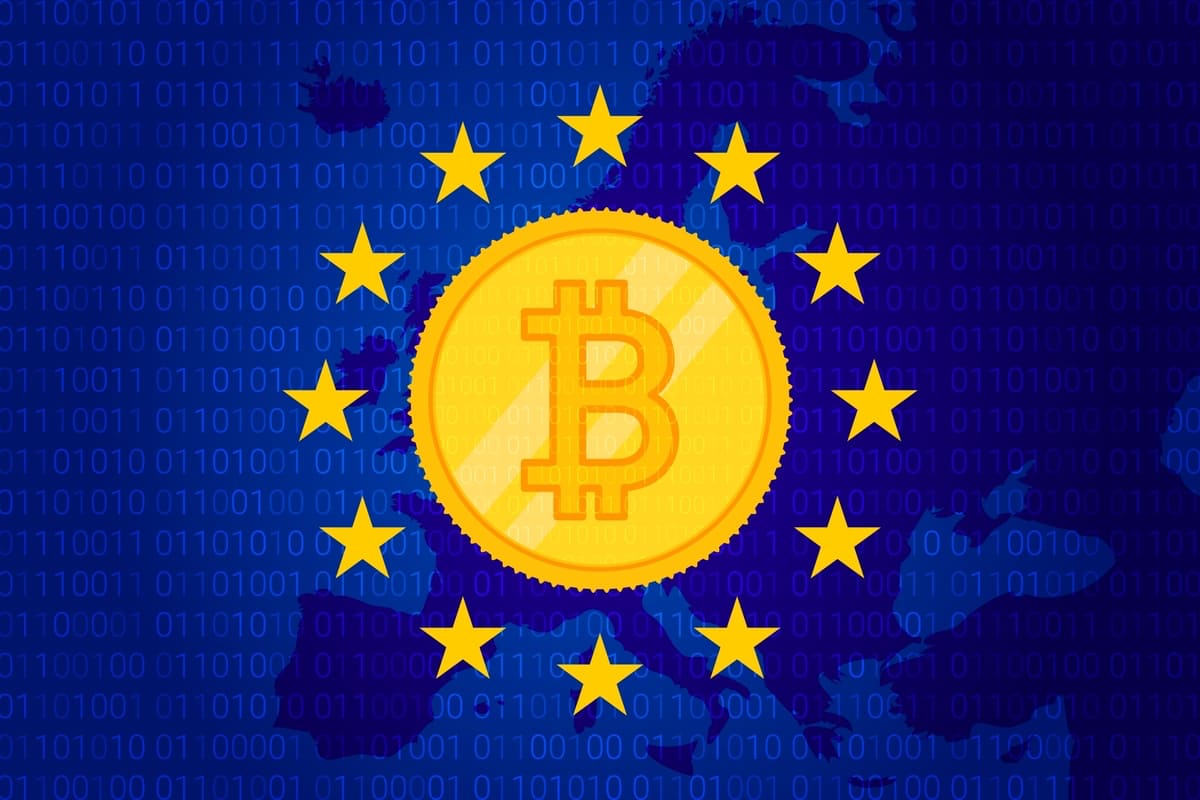
Kraken continues to evolve from its crypto trading roots as the company is reportedly seeking a banking licence to offer regulated lending and deposit taking services in the region.
Cryptocurrency exchange Kraken is planning on acquiring a European banking licence in Lithuania to expand its regulatory digital currency and asset payment services.
Kraken is reportedly seeking to obtain a full banking licence with the Bank of Lithuania, according to a source cited by CoinDesk.
This would enable the company to take deposits, lend, provide investment services and more to customers across Lithuania.
Kraken declined to comment when Payment Expert reached out for comment.
Kraken’s payment and banking transformation
Under parent company Payward, Kraken has expanded its services from its traditional crypto staking and trading services.
Kraken Payments is the payment service operated by Kraken which allows users to send peer-to-peer payments with more than 300 digital and fiat currencies.
Users of Kraken Payments can perform transactions via the use of unique Kraken tags (e.g. @Krakentags). This allows users to identify other users to send and receive money in either their preferred fiat or digital currency.
Users can also send and receive money through paylink as payment requests can be sent via text or messaging apps, like WhatsApp, with custom URLs. Kraken automatically converts fiat-to-crypto, and crypto-to-fiat, to settle the transaction.
The Kraken Card, or Krak Card, was launched in the US and Europe in 2025 to allow customers to split payments across multiple currencies, enabling users to spend part of a purchase with fiat currency, and the rest with their preferred digital currency.
The Mastercard-branded card also offers 2% cashback on eligible purchases and attaches zero monthly foreign exchange fees with merchants that accept Mastercard.
Kraken Financial was established as a subsidiary of Kraken, becoming the first digital asset company to receive a Federal Reserve master account.
The state chartered US bank can perform near-instant fiat deposit and withdrawal capabilities for its clients by connecting to the Fedwire system. It is obligated to strict capital requirements, such as the holding of 100% cash equivalents of customer deposits.
Kraken’s regulatory approach
The Fed master account was Kraken and Payward’s most successful regulatory clearance, but this was part of a wider regulatory strategy to offer regulated services across the world.
In Europe, Kraken was one of over 200 crypto asset companies to receive a Crypto Asset Service Provider (CASP) licence to comply with the Markets in Crypto Assets (MiCA) framework before the 1 July, 2026 deadline.
In the United Arab Emirates, Kraken has preliminary approval from Dubai’s Virtual Assets Regulatory Authority (VARA) to operate its crypto and digital assets services. It also holds a financial licence from the Abu Dhabi Global Market.

A banking licence in Europe represents both Kraken’s shift to a regulatory focused-attempt to offer banking services.
Companies that have received a banking licence from the Bank of Lithuania include Revolut – which also offers crypto and digital assets services – and Fjord Bank.
Arjun Sethi, Co-CEO of Kraken, said at day one of Money 20/20 Europe in June the company is planning over the next 10 years to secure all regulatory licenses through the applicable processes, or acquiring companies which already hold the relevant licences, as part of Kraken’s mergers and acquisitions strategy.