As iGaming enters the “Payment 3.0” era, challenger operators face a critical choice: build costly in-house payment infrastructure or adopt agile orchestration platforms that boost approvals, reduce friction and accelerate global growth, Viktoriia Degtiarova, Co-Founder and CCO of Paysecure, writes.

In the hyper-competitive world of iGaming, the payment stage is often the most overlooked yet critical part of the player journey. For challenger operators looking to scale and disrupt established giants, the temptation to build a proprietary payment system from the ground up is understandable.
It promises total control and a solution tailored to specific needs. However, as the industry moves into the era of “Payment 3.0,” the “build” vs. “buy” debate has shifted. For most growing operators, building an in-house orchestration solution is no longer just a technical challenge – it’s a significant business risk.
What is payment orchestration?
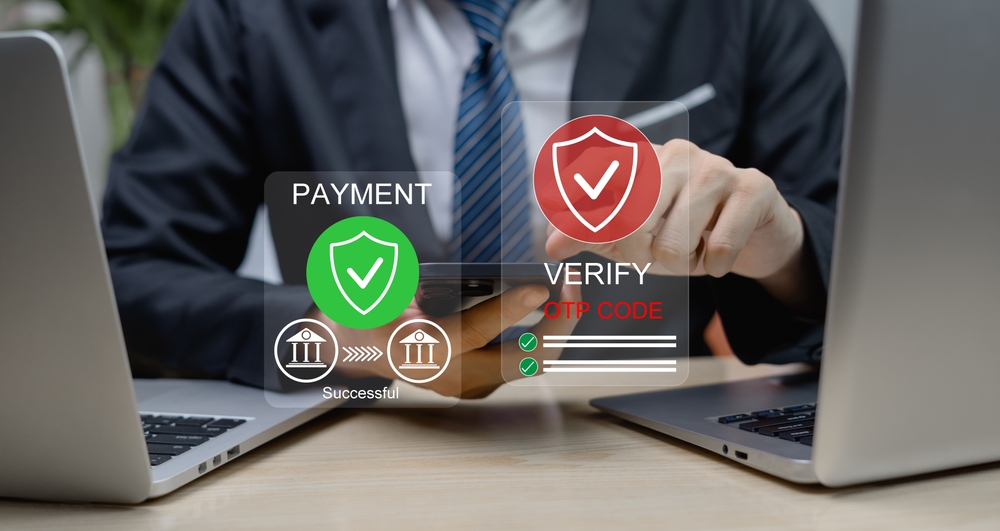
At its core, payment orchestration is a flexible, intelligent technology layer that sits above individual payment service providers (PSPs) and banks. Instead of a fragmented series of manual connections, it provides a single, unified control point to manage the entire payment ecosystem.
For a challenger operator, orchestration acts as the “brain” of the transaction. It automates complex workflows, from presenting the right local payment methods to a player in Denmark (like MobilePay) or the Netherlands (iDEAL) to intelligently routing transactions to the processor most likely to approve them. In short, orchestration helps operators centralise and streamline their payments technology into one, efficient platform to increase retention and security.
The hidden pitfalls of the in-house build
Many operators believe that building their own system is the only way to maintain complete ownership of data and customise the user experience. While there are some advantages to bespoke design, the “squeeze” is rarely worth it for scaling firms.
The initial development of an orchestration platform is just the tip of the iceberg. In-house solutions require massive ongoing investment in hardware, data storage, cooling, and, most importantly, the specialised expertise to maintain them. For a scaling operator, these resources are often better spent on core game development and marketing.
The iGaming market moves at a phenomenal pace. An in-house build can take years to complete, by which time the technology may already be obsolete or unsuitable for the market’s new demands. Third-party solutions allow operators to plug into a pre-built network immediately, bypassing months of resource-intensive development.
Perhaps the greatest risk of building in-house is the “data blind spot”. Because in-house systems often lack deep, real-time integration with the full spectrum of global PSPs, they may fail to capture critical data points. According to Paysafe, 30% of ecommerce merchant finance teams miss key insights due to a lack of detailed payments data – a disadvantage a challenger brand simply cannot afford. Intelligence built into these platforms fuels orchestration, and a smart use of logic creates agility. This increases the speed of operators’ time-to-market to allow them to adapt to new market opportunities, something built solutions would only be able to do with significant and constant investment.
Why third-party orchestration is the magic bullet
In iGaming, where 62% of players who experience a payment failure will never return, every successful transaction is a victory for retention. Third-party platforms use sophisticated smart routing and fallback logic. Smart routing automatically selects the most efficient path for a payment based on location, card type, and historical success rates.
If a primary provider fails, the system instantly retries the transaction through an alternative provider, ensuring the player never sees an error message. This is called cascading. Operators using these tools, such as Paysecure’s solution, typically see transaction approvals rise by up to 7%.
Historically, only the largest operators had the financial firepower to integrate every payment solution for every market. Today, modular third-party platforms give smaller firms access to the same best-in-class technology, deep analytics, and global reach without prohibitive upfront costs.
“Buying” a solution does not mean settling for a rigid, one-size-fits-all product. Modern platforms are a suite of tools that are constantly evolving to deliver the best possible solution for operators. Orchestrators are able to build a library of connections to empower companies to build flexible payment journeys based on their focus or criteria, regardless of whether that is risk mitigation or acceptance approval.
Build for the player, buy for the platform
The question for challenger operators is no longer just “build or buy,” but how quickly they can adopt the infrastructure needed to compete. While an in-house build might seem like the ultimate form of control, it often becomes a costly anchor that slows down innovation.
By partnering with a third-party orchestration provider, you gain the “brain” of a global giant while remaining the nimble, player-centric business that defines a true challenger. In an industry where the payment experience determines success or failure, placing an intelligent, flexible orchestration solution at the heart of your business is the most strategic move you can make.