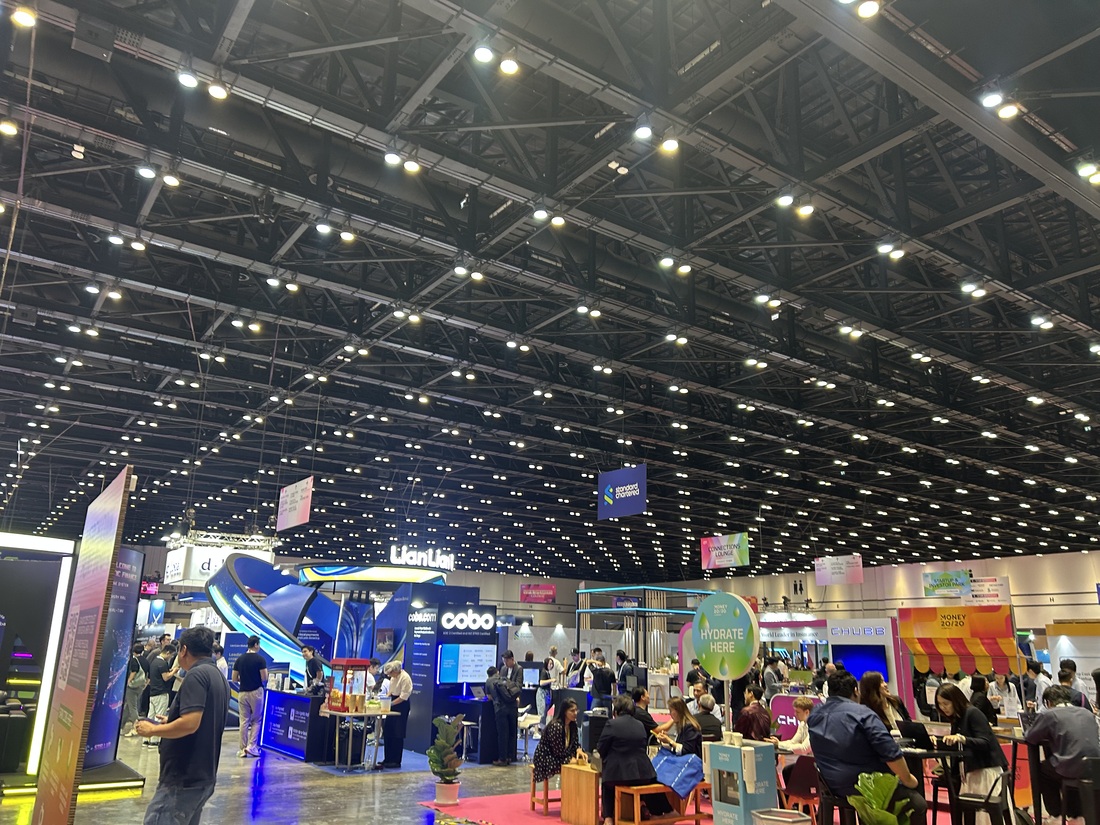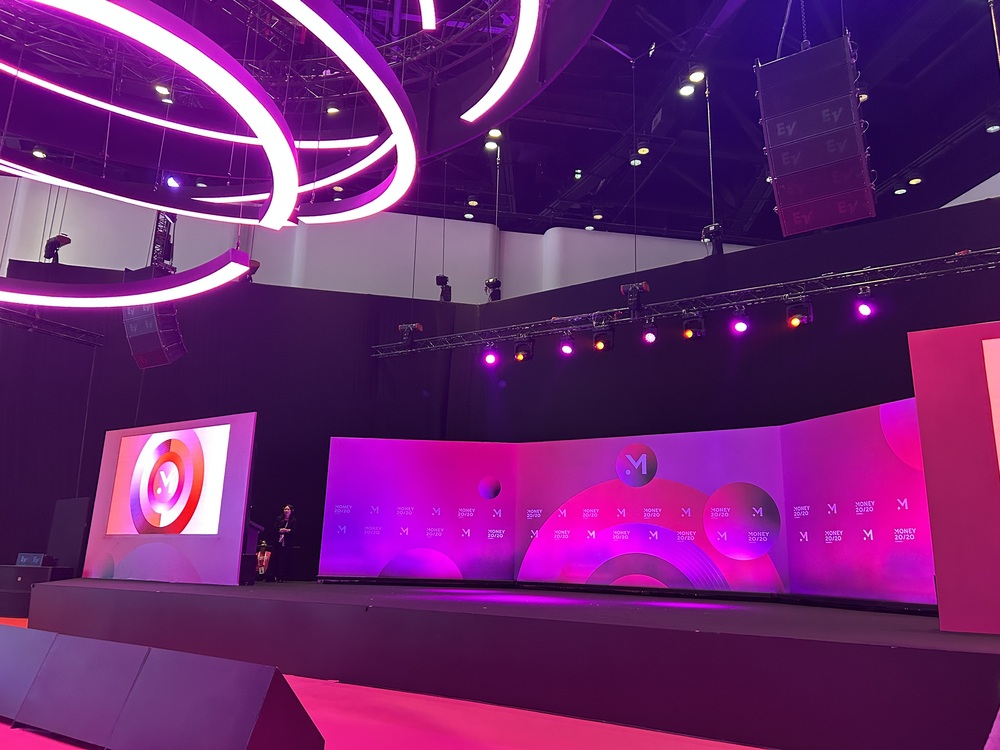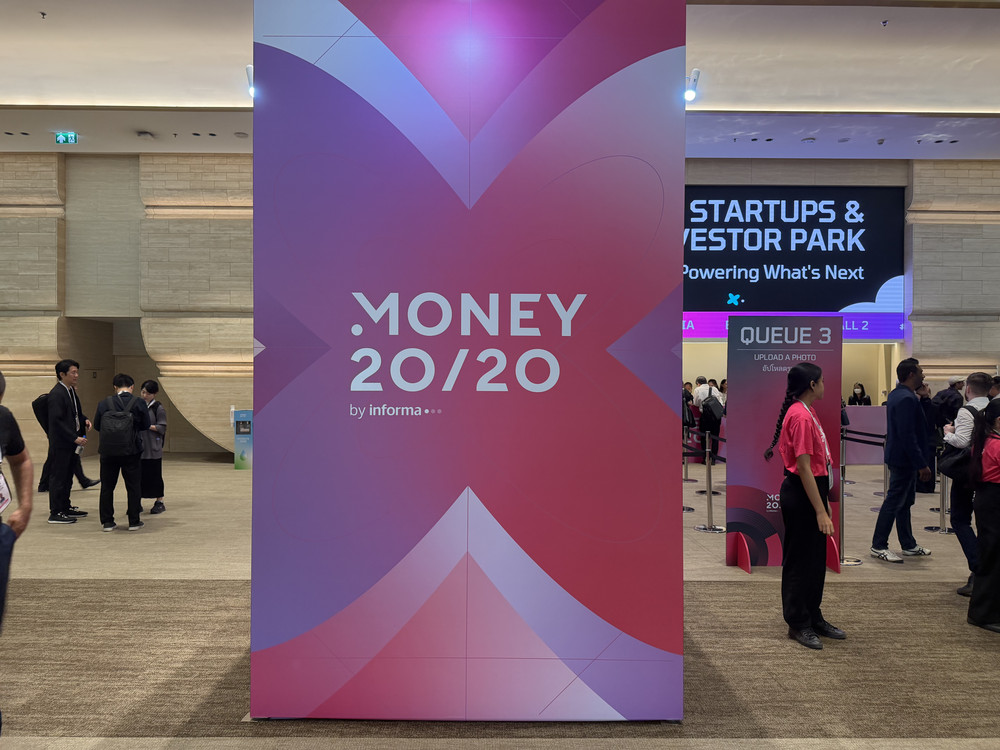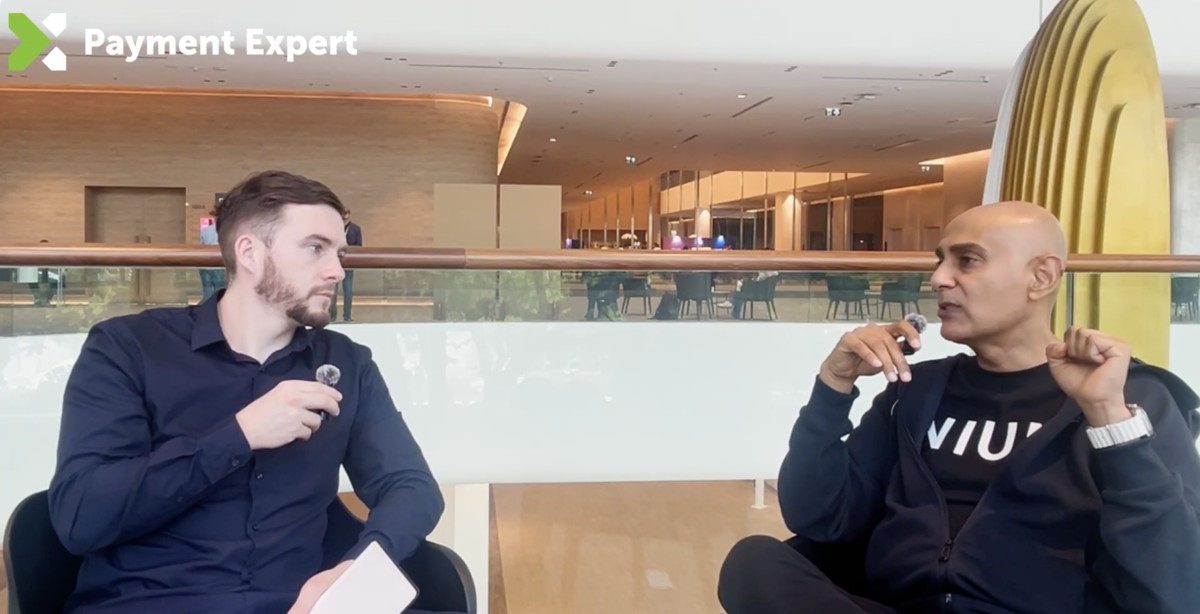
Payment Expert will be covering Money 20/20 Asia 2026 (21-23 April), delivering real-time updates and opinions from the showroom floor, as well as hearing from industry leaders on how payment innovations have been adopted in Asia and Southeast Asia.
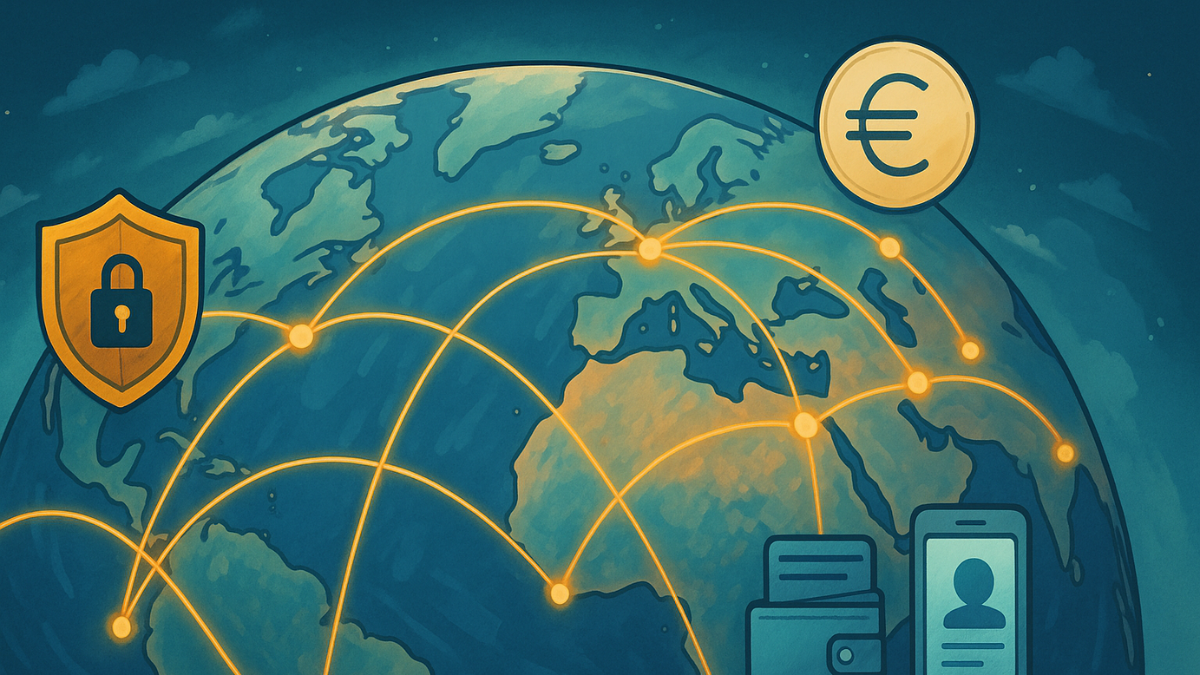
Asia has quickly become a melting pot of payment innovations and financial infrastructure developments, establishing the region as one of the world’s most intriguing markets.
From alternative digital payment methods, such as QR codes, to the accelerated deployment of use cases in digital currency pilots, Asian markets have begun to look into the future to identify where payments will be in 10 years’ time.
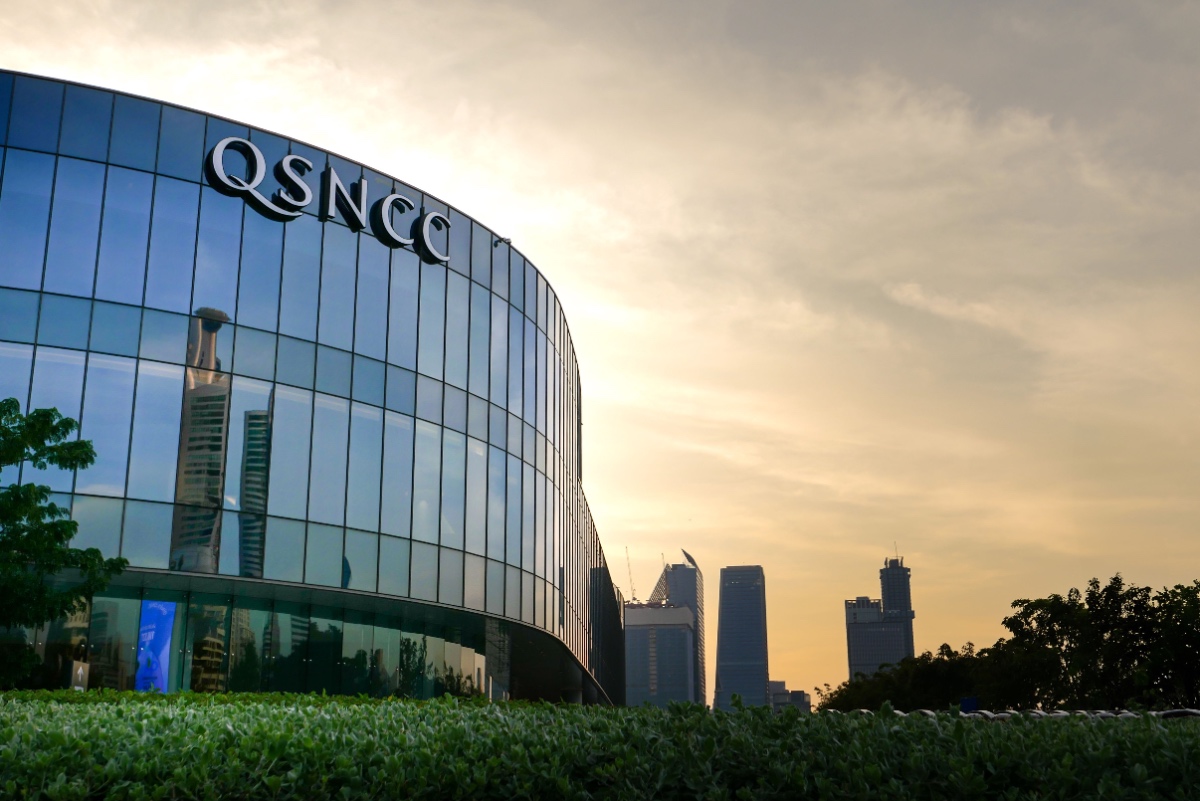
At the Queen Sirkit National Convention Centre in Bangkok, Thailand, Money20/20 Asia will place innovations in AI, digital currencies, payment methods, centre stage as experts debate where the next major developments lie.
The Payment Expert team will be on the ground next week, and here are five key themes we think will dominate conversations.
1. A unique approach to digital assets
Across Asia, approaches to digitising national currencies are diverging sharply, reflecting broader strategic and regulatory priorities.
In China, authorities have taken a firm stance against decentralised cryptocurrencies, imposing an outright ban and maintaining a cautious position on stablecoins, while accelerating development of a central bank digital currency (CBDC), the digital yuan. The state-led approach underscores a preference for control, oversight, and monetary sovereignty in the transition to digital finance.
By contrast, Japan has formally recognised cryptocurrencies as legal tender. Yet, despite this progressive classification, adoption as a mainstream payment method remains limited. A tightly regulated environment continues to shape the market, reflecting a careful balance between innovation and consumer protection.
Elsewhere, Singapore has positioned itself as a regional hub for digital assets. Through clear regulatory frameworks and a pro-innovation stance, it has attracted a growing number of cryptocurrency and stablecoin operators seeking both legitimacy and scale.
As blockchain-based currencies gain traction, they are increasingly drawing the attention of traditional financial institutions. The central question is now how blockchain networks and legacy financial infrastructure can interoperate effectively.
This challenge will take centre stage at a panel on 22 April, where speakers from Uquid, Trade Finance, Pantera Capital and others will examine how established systems can integrate with blockchain rails. The discussion will explore the potential to unlock real-time, cross-border B2B settlement, while ensuring consumers retain access to trusted, secure payment options
2. AI innovation vs risk
AI is now deeply embedded across financial services and payments, though its deployment varies significantly by market and use case.
In Europe, policymakers have prioritised a regulatory-first approach, seeking to establish guardrails around AI’s use in finance. Meanwhile, the US has leaned into innovation, with companies such as OpenAI and Anthropic driving rapid advancements, often placing speed to market ahead of comprehensive security frameworks.
Amid these differing geopolitical strategies, AI is already reshaping the payments landscape. From streamlining onboarding and enhancing payment processing to unlocking more sophisticated data intelligence, it is enabling a new, increasingly autonomous layer of financial services—one that aligns with the rise of AI-driven consumer journeys.
At the same time, trust remains a defining issue. As AI becomes more embedded across digital banking, embedded finance and insurance, firms are being challenged to push decision-making closer to the customer—while ensuring transparency, accountability and security are not compromised.
This tension will be explored in a panel examining AI’s growing role across financial services. Speakers from Acko, BoltTech and Continuum will discuss how AI is being used to deliver more personalised risk pricing for both merchants and consumers across Asia—placing greater transparency at the heart of the user experience, while maintaining the standards required to safeguard it.
3. Is Tokenisation delivering on its potential?
Tokenisation has been hailed as the financial industry’s next great breakthrough in modernising legacy infrastructure.
Some of the industry’s most influential figures, such as BlackRock‘s CEO Larry Fink, have placed their faith in tokenisation’s ability to unearth newfound opportunities in liquidity, settlement times and ownership of assets on distributed ledger technology (DLT).
HSBC has been one of the leading banks adopting tokenisation to facilitate real-time, instant transactions in the form of tokenised deposits and support accelerated corporate treasury flows.
The international bank’s attendance at Money 20/20 Asia may include updates on its tokenisation path and where payments can find new avenues with tokenised money moving cross-border and in different currencies.
But as all new innovations begin to grow in adoption and interest, regulatory standard discussions naturally follow after.
One panel, featuring representatives from Northern Trust, Libeara and Reed Smith Singapore, will discuss what standards are required when assets are being transferred on-chain and if the same traditional security measures are applicable to DLT infrastructure to maintain the same levels of trust.
4. Super App approach to fintech ecosystems
One of the defining fintech trends to emerge from Asia over the past decade is the rise of consolidated, all-in-one digital platforms – so-called “super apps” which integrate payments into a much broader ecosystem of services.
WeChat has become the benchmark for this model, combining peer-to-peer payments, messaging, content and more into a single, seamless user experience. Its influence has extended well beyond Asia, with figures such as Elon Musk openly drawing inspiration for the evolution of X.
Yet replicating this success has proven far from straightforward. The challenge lies not just in bundling services, but in identifying which value-added features genuinely resonate with user, and integrating them in a way that enhances, rather than complicates, the core experience.
Companies like Uzum illustrate a different path. While not a super app in the strictest sense, it has evolved from a digital bank into a broader financial ecosystem, expanding into services such as buy now, pay later and even express food delivery. Its presence at Money20/20 Asia highlights the growing diversity of models emerging across the region.
This raises a broader question for fintech: scale and functionality alone are not enough. If services are not aligned with local behaviours, expectations and cultural nuances, their value quickly diminishes.
A panel in Bangkok, featuring a representative from Uzum, will explore this dynamic through the lens of Central Asia. The discussion will focus on how fintech players in the region are building multi-layered ecosystems through hyperlocal strategies, tailoring services to underserved populations and embedding themselves more deeply into everyday financial life.
5. Asia’s local payment methods
Each market and region have their preferred payment method, whether it is cards in the UK, to account-to-account payments with Pix in Brazil, local payment methods are becoming increasingly pivotal for businesses to understand before scaling their expansion strategies.
For the past several years, QR code payments have exploded in popularity across Asian countries such as China, Vietnam and Thailand.
However, the region has also seen an uplift in users of buy-now, pay-later (BNPL), and real-time bank transfer payments have become widely adopted amongst consumers. This poses a question for merchants on which local payment methods to offer before market entry.
Currently, the most popular local payment methods are mobile phone compatible, and e-commerce merchants will be provided a base understanding of what the preferred payment methods are in each Asian market, but when it comes to integration, how prepared will they be to understand the regulatory landscape to ensure security, while accommodating a seamless checkout experience?
During a panel discussion at Money 20/20 Asia, representatives from Google, dLocal, and more, will give insights on how businesses can leverage local payment networks, reduce cross-border friction, and scale efficiently across Asia’s mobile-first and rapidly growing digital markets.