Robinhood has launched a doorstep cash delivery service in partnership with Gopuff, targeting convenience for Gold subscribers.
Robinhood has unveiled a new service allowing customers to withdraw cash from their brokerage accounts and have it delivered directly to their homes.
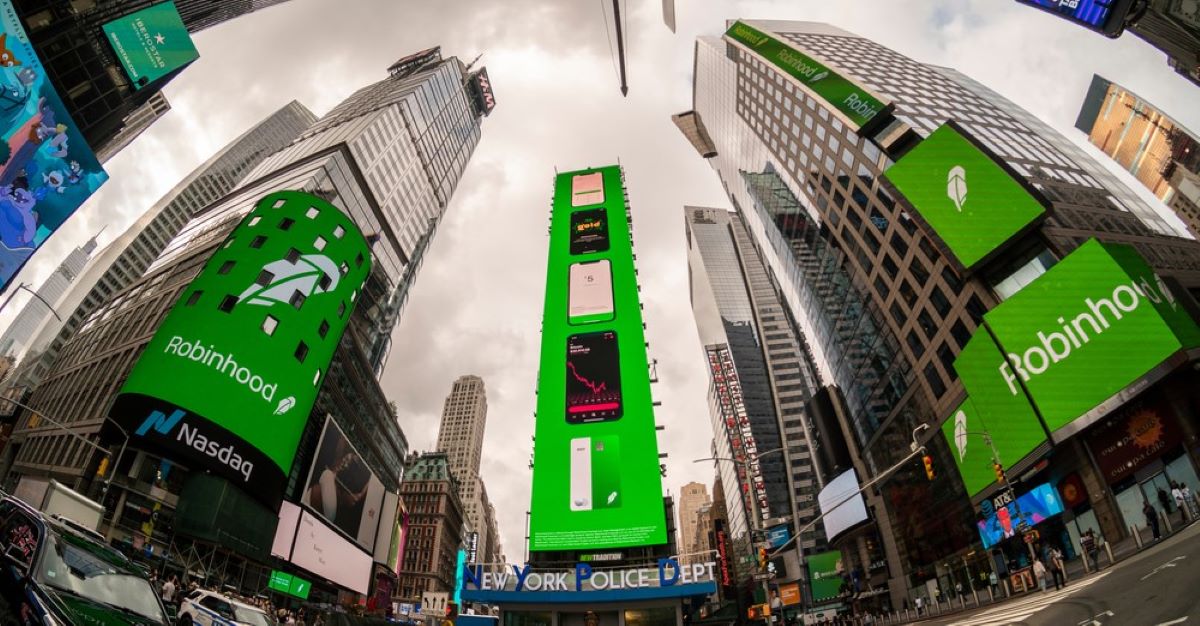
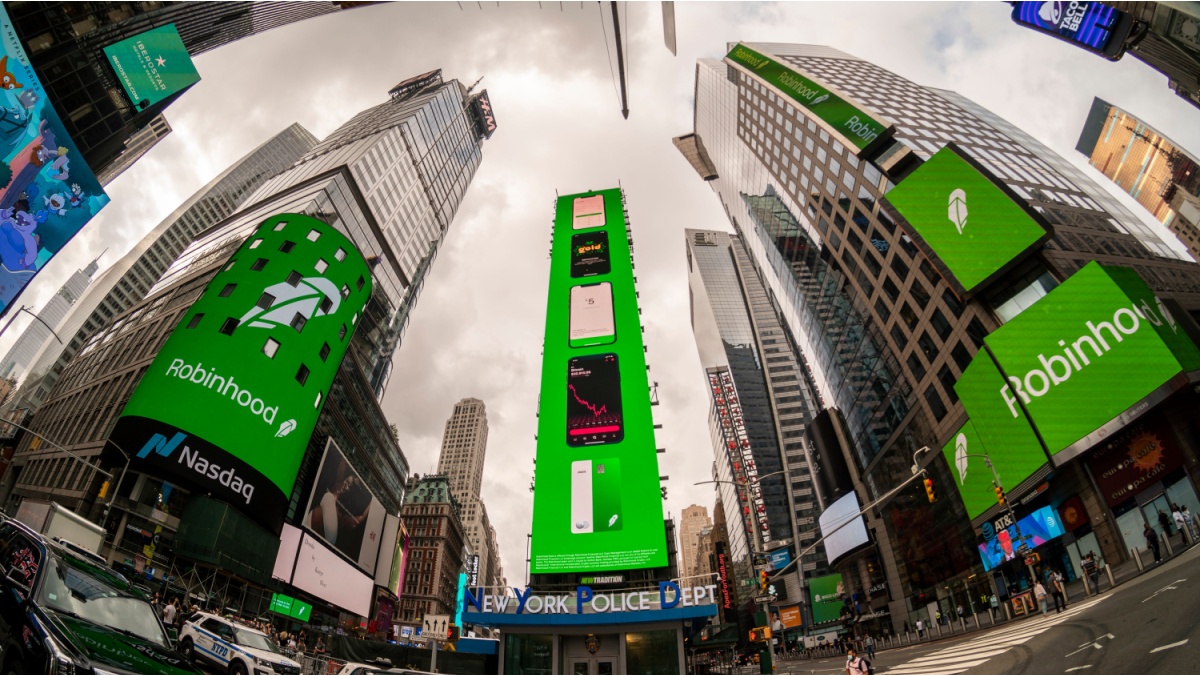
In partnership with delivery startup Gopuff, the service is being rolled out initially in New York, with San Francisco, Philadelphia, Washington and other major cities expected to follow in the coming months.
Robinhood says the idea is to bring the convenience of food and medicine, services Gopuff already provides, to cash.
The offering is available to Robinhood Gold subscribers, who pay $5 monthly for premium account features. Customers must maintain a minimum balance of $1,000 in monthly direct deposits into their Robinhood bank accounts to qualify.
Delivery fees are $6.99 for standard retail clients, with a discounted rate of $2.99 for clients holding $100,000 or more in Robinhood assets.
Gopuff has said deliveries will take around 30 minutes, similar to its food service and customers will need to verify their identity with a code at the point of delivery.
The concept was first introduced by Robinhood CEO Vlad Tenev in March as part of the broader Robinhood Banking initiative, aimed at enhancing the banking and financial experience for Gold members.
“Everything gets delivered to their house, from burritos to medicine. Why not cash? Now imagine any reason you could ever think of for going to the bank,” Deepak Rao, VP and General Manager of Robinhood Money, told the Wall Street Journal.
Rethinking how consumers access cash
Robinhood’s doorstep cash delivery could change how consumers access physical money. Traditionally, ATMs and bank branches have served as the primary cash-out points, but by leveraging a delivery network Robinhood is creating a fintech-driven cash rail.
While cash usage has declined in the US over the past decade, it remains a significant part of consumer transactions. According to the US Federal Reserve’s 2024 Survey and Diary of Consumer Payment Choice, Americans still use cash for an average of seven payments per month, a level which has remained steady since 2021.
However, the target audience for this service does not fully align with those who rely most heavily on cash.
Older consumers, particularly those aged 55 and above, continue to use cash for roughly 19% of transactions compared with 10-14% for younger demographics. Household income also plays a role, with those earning under $25,000 per year relying on cash for nearly a quarter of payments, while higher-income households earning more than $150,000 annually use it for just 9%.
Access to cash as a competitive differentiator
A way, however, Robinhood is aiming to change the payment habits of Gen Z is through convenience.
In the US, ATM networks are shrinking and many bank branches have reduced hours or closed entirely. Robinhood’s doorstep delivery service looks to fill this gap, offering convenience to consumers who may otherwise face friction accessing physical money.
Research from Merchant Machine highlights the uneven distribution of ATMs across the country, with the state of New York and the city of San Francisco, two of the initial launch points for Robinhood’s service, ranking among the highest in searches for “ATMs near me”, suggesting access points are hard to find.
The trend is mirrored in other markets, as in the UK cash usage has declined significantly over the past decade, but remains critical for certain demographics.
A recent UK Treasury Committee report warned unmanaged declines in cash acceptance risk creating a “two-tier society”, where people who rely on physical money are disadvantaged.
Vulnerable groups, including older adults, individuals with disabilities, and those on low incomes, continue to use cash, while the closure of bank branches adds to the problem. In March 2025, Santander announced plans to close more than 95 branches.
As the problem continues, the UK government has pledged to open 350 banking hubs in areas identified as “banking deserts” and the Treasury Committee has suggested legislation to mandate cash acceptance where voluntary measures fail.