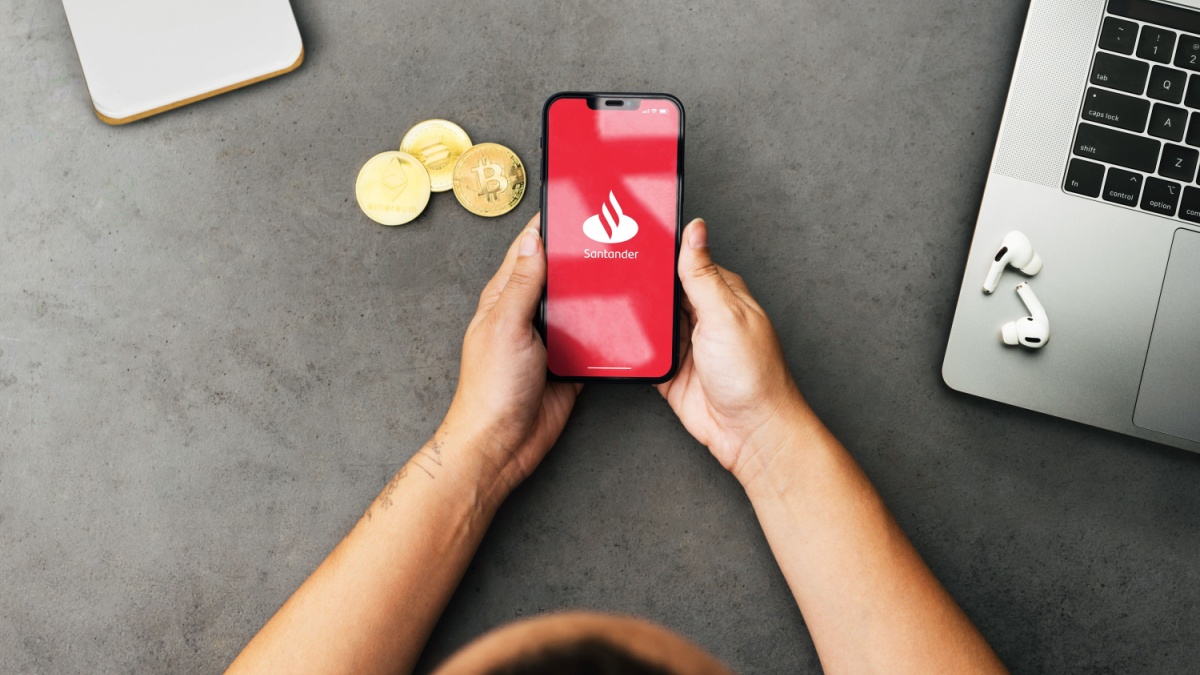
The crypto trading service intends to strengthen Openbank’s offering to investors in Germany through products such as the automated investment service, Robo Advisor
Santander’s digital-only bank Openbank will enable cryptocurrency trading for all customers in Germany, with a roll out of the service expected in Spain in the coming weeks.
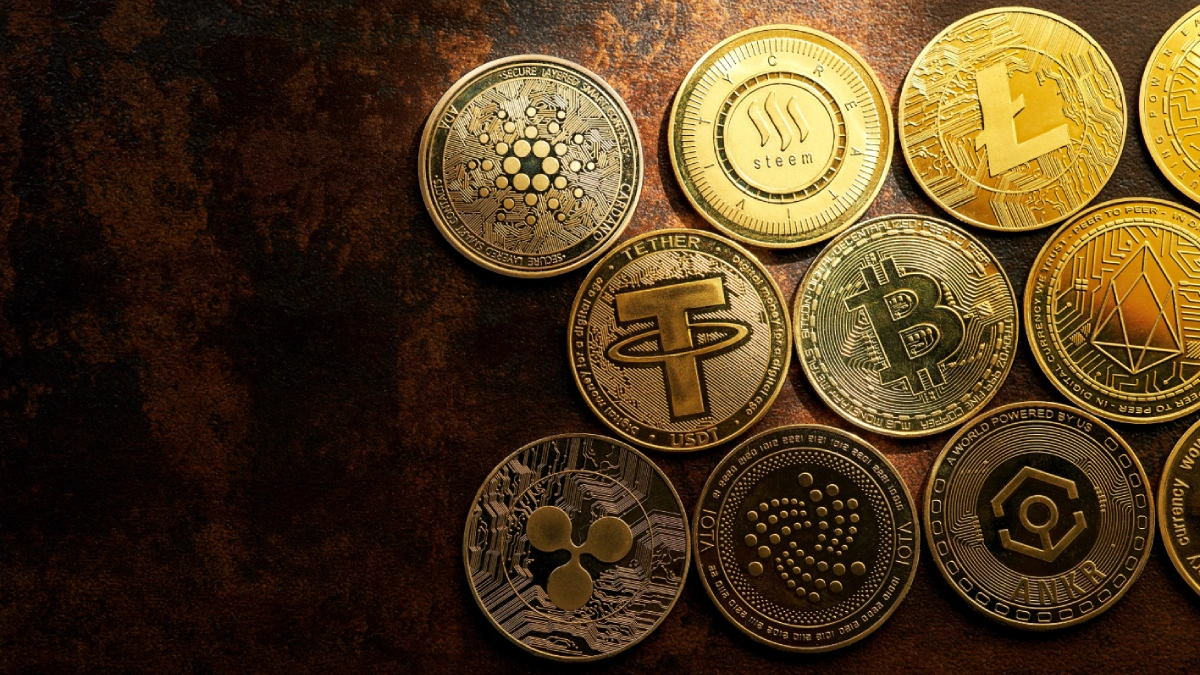
Announced on September 16, Openbank will provide cryptocurrencies such as Bitcoin, Ether, Litecoin, Polygon and Cardano to either buy, sell or hold, alongside other investment assets.
The crypto service does not need to be supported by money transferred from other platforms. The new service comes with fees of 1.49% on asset sale and purchases, with a minimum of €1 per operation and no custody fees.
“By incorporating the main cryptocurrencies into our investment platform, we are responding to the demand of some of our customers and continue to strengthen a broad range of products and services through an agile, simple technology platform backed by one of the world’s leading financial groups,” said Coty de Monteverde, Head of Crypto at Grupo Santander.
The crypto trading service intends to strengthen Openbank’s offering to investors in Germany through products such as the automated investment service, Robo Advisor. This is a portfolio of more than 3,000 stocks; 3,000 investment funds from over 123 asset managers; and more than 2,000 ETFs.
In recent weeks, Santander has also launched a broker platform equipped with AI-based tools which deliver target prices for more than 1,000 European and US stocks.
MiCA enables another bank to offer crypto
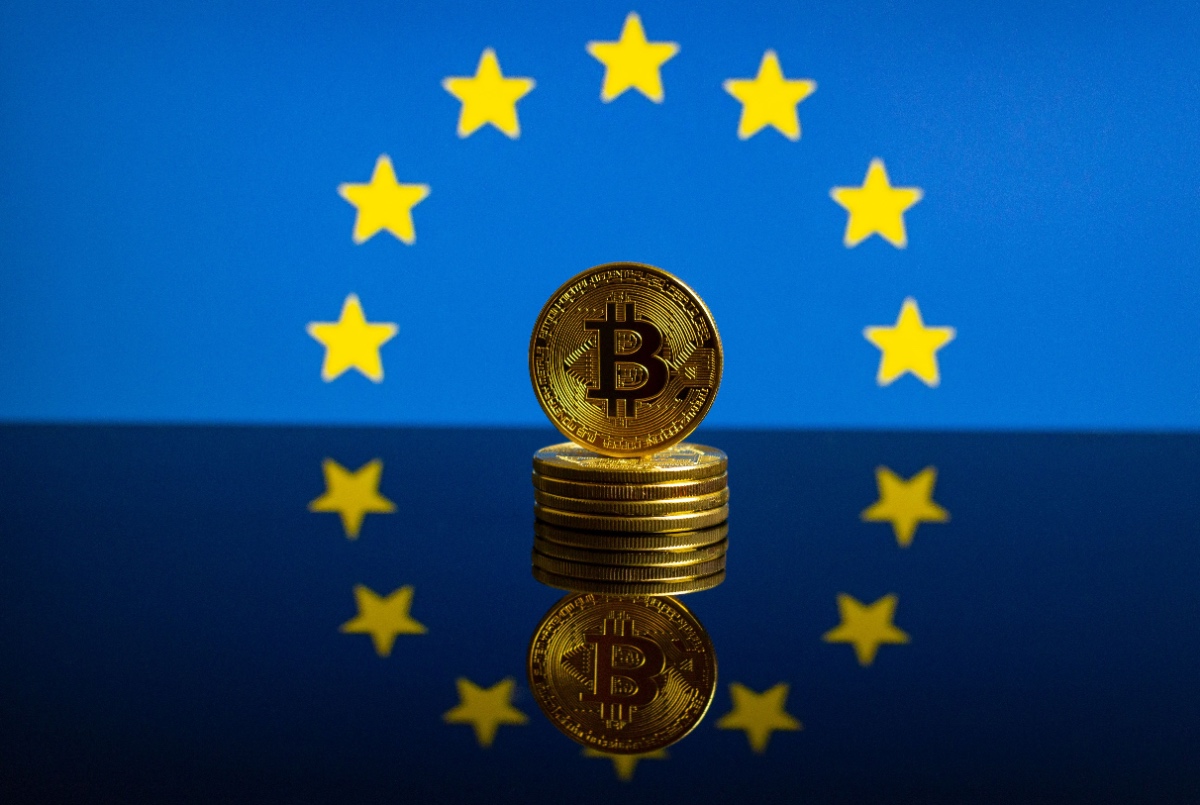
Openbank’s crypto service follows Europe’s Markets in Crypto Assets (MiCA) regulation, guaranteeing investor protection by following crypto trading guidelines.
This year, a flurry of European banks have begun to offer crypto trading services alongside their traditional banking products, such as BBVA and Revolut. These banks make up 55 European banks now offering crypto and/or digital asset services.
By leveraging its digital-only bank, serving as a fintech arm to its traditional banking routes, Santander has obtained a Crypto Asset Service Provider (CASP) licence in order to offer these services.
MiCA differentiates certain crypto and digital assets into three categories; e-money tokens, asset-referenced tokens, and other crypto assets. Those companies that fall under either of these three categories must follow strict AML and consumer protection rules in order to support crypto growth across Europe.