An undoubted uplift in the adoption of stablecoins and over-the-counter cryptocurrency trading is being evidenced across Africa, which could mark a pivotal moment in the evolution of the sector across the continent.
Driven by the mass adoption of mobile technology, various nations across the region have utilised this to usher in an evolution of finance and digital currencies.
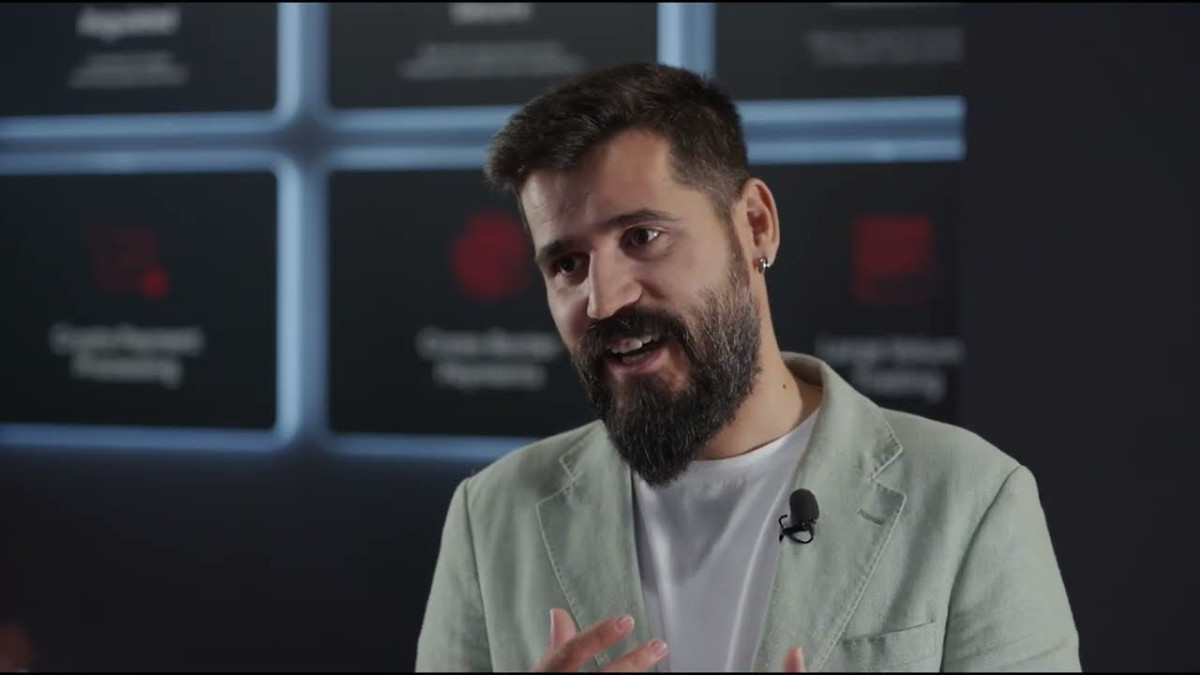
Speaking to Payment Expert, Ezichim Onweagba, Business Development Manager at Quidax, addresses the opportunities and uncertainties presented across the landscape amid a global surge.
Beginning the conversation, talk centres around what degree of caution to acceptance is evident within certain nations in Africa, and why this is so.
“Across Africa, the attitude toward cryptocurrency ranges from cautious curiosity to growing acceptance,” he says.
“Countries like Nigeria, Kenya, and South Africa are leading the charge in adoption, driven by practical use cases such as inflation hedging and cross-border transactions.
“Yet, the caution seen in other markets often stems from concerns around financial stability, regulatory uncertainty, and risk of misuse.”
Furthermore, Onweagba continues by touching on the fact that many central banks and regulators are still exploring how best to balance innovation with consumer protection, which explains a measured pace of policy development in certain regions.
With an array of headwinds seemingly being met, numerous opportunities could be being missed as a result. Crucially though, how can these be overcome?
For Onweagba, progress is being made across numerous practices. These include sandbox initiatives, licensing frameworks, and dialogue between industry players and regulators.
“For instance, Nigeria’s 2024 digital asset licensing regime marked a significant shift from prohibition to engagement,” he adds.
“However, countries that remain undecided or restrictive risk missing out on the vast economic opportunities presented by blockchain-based solutions; from improving financial inclusion to attracting global business flows and tech investment.”
Bringing things back to the primary source of conversation and specifically Quidax’s operations, and we are witnessing a rise of OTC and stablecoins that has been labelled by the company as ‘Africa’s quiet FX revolution”.
Continuing the conversation, attention is given to how OTC trading is addressing structural limitations in conventional banking systems to offer a secure and compliant pathway within Africa’s digital financial ecosystem.
“OTC crypto trading bypasses many of the inefficiencies in traditional FX and banking systems, particularly in high-volume and cross-border transactions,” Onweagba says.
“In markets where liquidity is thin and access to foreign currency is limited, OTC offers businesses an alternative: direct, high-speed, and compliant settlements using stablecoins and crypto rails.
“These transactions are often faster, more transparent, and more resilient to currency volatility, with the added benefit of regulatory onboarding designed specifically for institutional players.”
As previously alluded to, the school of thought and attitude towards this environment can be considered varied across nations as the road to adoption is trodden.
This begs the question of how the current landscape lies when it comes to regulation across the continent’s nations, as well as where the optimism lies?
“The regulatory environment is gradually evolving,” he notes. “Nigeria’s licensing regime, South Africa’s crypto service provider regulations, and Kenya’s ongoing sandbox programs are all signs of growing maturity.
“Countries like Ghana and Zambia are also piloting blockchain-driven financial solutions, including CBDCs.
Ultimately, Onweagba acknowledges that optimism lies in a shift from a defensive to collaborative regulatory posture; one that signals greater clarity, investor confidence, and long-term viability for crypto in Africa.
With future sustainability in mind, attention duly switches to how cryptocurrency can help businesses to overcome uncertainties being faced elsewhere.
“With global FX markets facing turbulence, especially in emerging economies, cryptocurrencies, particularly stablecoins, offer a hedge against currency depreciation and payment delays,” he explains
“Businesses operating in Africa but headquartered elsewhere can use crypto to simplify treasury operations, manage cash flow, and execute cross-border settlements with reduced friction.
“It’s a way to sidestep some of the uncertainties and inefficiencies of legacy systems without sacrificing compliance or security.”
As the potential of the OTC cryptocurrency trading scene comes to the attention of an increasing volume of individuals, how can you truly capitalise on these opportunities?
To answer this, Onweagba looks internally and chooses to focus on what he believes stands Quidax apart from the competition to enable clients to not just grow but thrive?
“Quidax sets itself apart through international-grade infrastructure and a customer-centric service,” he concludes
“With a regulatory license from the SEC, a growing multi-currency OTC desk, and deep experience in navigating Africa’s fragmented markets, Quidax offers global businesses a secure, compliant, and intelligent entry point into the continent’s digital economy.
“More than just a trading platform, Quidax acts as a bridge, connecting international capital to African opportunity.”