Payment Expert’s ID Check: Payments Professionals offers insight from industry leaders and experts on how they got their start in the financial industry, from their early years in education, to how they have been able to climb the corporate ladder.
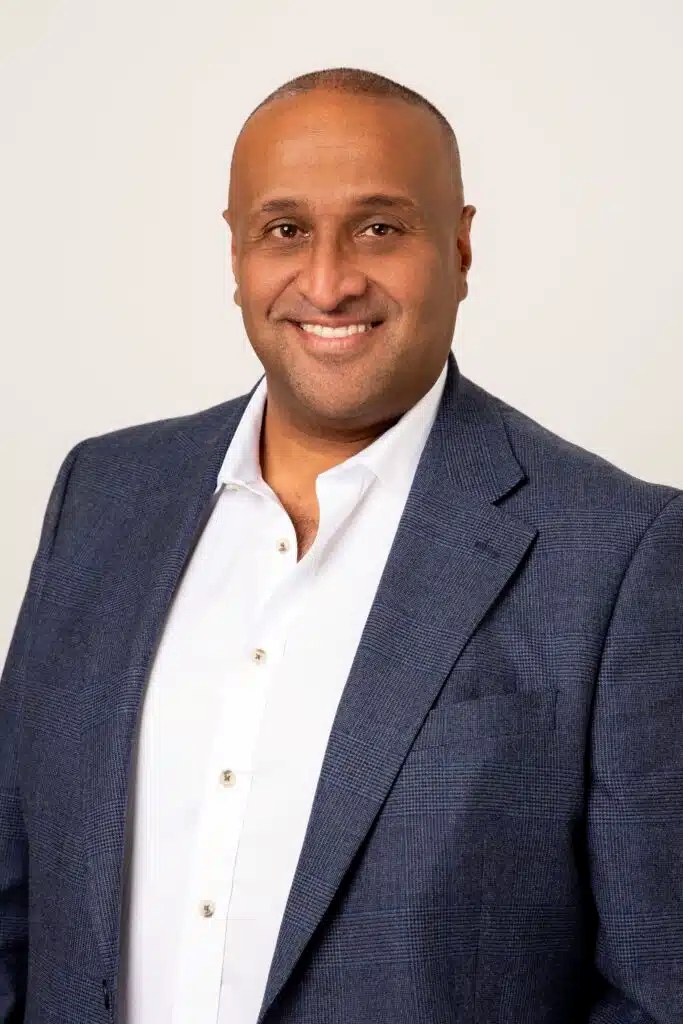
This week, Zaki Farooq, CTO and Co-Founder of PayFuture, speaks on past hardships and why resilience not just in payments, but in life, and stresses the importance of how he found balance in a successful company.
Where did you go to university and what did you study? What impact did this have on your current journey?
I went to the University of Liverpool to study Computer Science and Electronic Engineering. It was a great course because it gave me a strong foundation in both software and hardware. Now, working in payment technology, that background really comes in handy.
Understanding how systems work together, especially when it comes to technology, IT security and integration, is key in what I do. My studies gave me the skills to think through the whole picture, and that’s been really useful in developing secure and efficient payment solutions.
Were you part of any sports clubs or societies at university and has this influenced your educational and professional development?
I was a member of an amateur boxing club which drilled discipline, resilience, grit and determination all essential skills needed in my journey as an entrepreneur.
What was the first job you had in the industry and are there any lessons from this you still draw on?
PayFuture was actually my first major business in the payments space, and it’s been an exciting journey from day one. Manni, my co-founder, brought a wealth of deep industry expertise, having worked in payments for years. His knowledge of the market, trends, and payments knowledge has been invaluable in helping us navigate the complexities of the industry. Meanwhile, I’ve focused on scaling the business, refining our strategy, and driving profitable growth.
A key lesson I still draw on from those early days is the importance of balance. The success of PayFuture really comes down to this balance between our strengths. Building a company isn’t just about having deep knowledge of the industry; it’s also about having the vision and the drive to take it to the next level.
While Manni focuses on the payments, growth and operational side, I’m always looking at the tech side – how we can innovate, reach new markets, and push boundaries to ensure we are ahead of the game.
Our complementary skills have been essential for PayFuture’s growth, especially in such a competitive space. It’s this partnership that’s allowed us to make the right decisions at the right time and create a company that stands out. We play to each other’s strengths and work as one unit and that’s really what makes PayFuture work.
Who was your biggest role model – inside or outside of your industry – who continues to inspire you in your current career?
My biggest role model is my father. He came to the UK in 1959 with just £5 and worked multiple jobs, including a bus driver, postman, and factory worker. Like so many immigrant families, we sacrificed a lot to build a better future.
Watching him put in the hard work, often with long hours and little rest, taught me the value of perseverance and resilience. It wasn’t just about working hard; it was about staying focused on the long-term vision and being willing to do whatever it takes to ensure success for myself and the family.
That sense of responsibility to honour their efforts is something that drives me every day. I’m constantly reminded that the opportunities I have today didn’t come easily, and it’s important to make the most of them. It’s about building on the foundation they laid and pushing forward, whether it’s in my career or personal life.
His example has shaped my work ethic, sense of determination, how I approach challenges and a sense of purpose and focus to achieve success no matter what the odds.
When was your first big break in the industry? Why was this such a significant moment for you?
One of the biggest turning points for me personally was the realisation that I would rather earn £15,000 a year working for myself than £20,000 working for someone else. That decision set me on the path of entrepreneurship.
I built a successful business, Computrad, but later went through serious challenges like divorce, loss of all I had built up and financial struggles. I hit rock bottom. But I always knew inside that I would come back. Identifying a significant gap in the market and fixing a problem became my true breakthrough.
Was there a moment you faced in the industry that really challenged you? How did you overcome this?
There was a time when my first business collapsed due to a large bad debt, and I struggled to pay rent to keep a roof over our heads and was relying on family and even my wife to sell whatever we had left to try to cover the bills. It was one of the hardest moments of my life mentally, but I knew I couldn’t let it define me.
What kept me going was the belief that I had to create something bigger, prove the doubters wrong, not just for myself, but for my family’s legacy. That determination led to PayFuture, and I haven’t looked back since.
What are some of the skills you deem essential to starting in your industry and how have yours developed over the years?
For me, it’s all about being resilient and spotting opportunities and finding solutions where others see obstacles. PayFuture succeeded because we followed the Blue Ocean Strategy – we moved into markets that big players ignored and created a new market.
We were fast, adaptable, and willing to embrace complexity and challenges where others hesitated. That ability to move quickly and navigate different cultural and regulatory landscapes and being hyper focused on providing local solutions has been key to our success.
Lastly, what is some advice you would give to an aspiring person looking to get a start in your industry?
Don’t just chase money – chase impact and believe in yourself. Build something meaningful, something that lasts. And don’t be afraid of setbacks.
I’ve had successes and also failures, but what defines me is that I always come back stronger and have the will to succeed and prove doubter wrong.