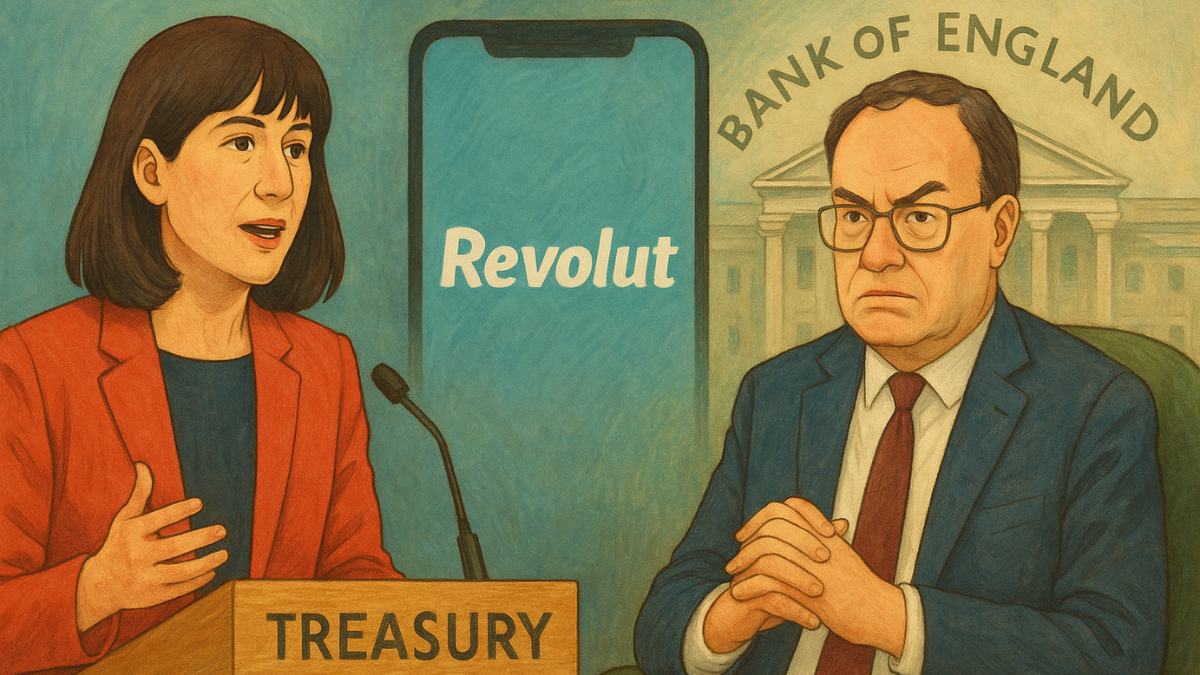
A behind-the-scenes dispute between Chancellor Rachel Reeves and Bank of England Governor Andrew Bailey has sparked fresh questions over political pressure in UK financial regulation. At the centre of it all: Revolut’s long-awaited full banking licence.
An attempt by UK Chancellor Rachel Reeves to accelerate Revolut’s progress towards becoming a fully licensed UK bank has reportedly been blocked by Bank of England Governor Andrew Bailey, according to the Financial Times.
The scuppered meeting – which reportedly Reeves had hoped would bring Revolut, the Treasury, and the Prudential Regulation Authority (PRA) together – has laid bare deeper tensions between the new government’s growth agenda and the central bank’s commitment to regulatory independence.
While Revolut’s banking licence was conditionally approved last year, the digital banking giant remains stuck in the “mobilisation” phase, which caps deposits at £50,000 and restricts lending.
The deadline for that phase passed on July 25, but the PRA has made clear this wasn’t a hard stop. Still, as City AM notes, Revolut’s regulatory purgatory is now entering a thirteenth month, longer than even the fintech anticipated.
Boots on necks or red lines on independence?
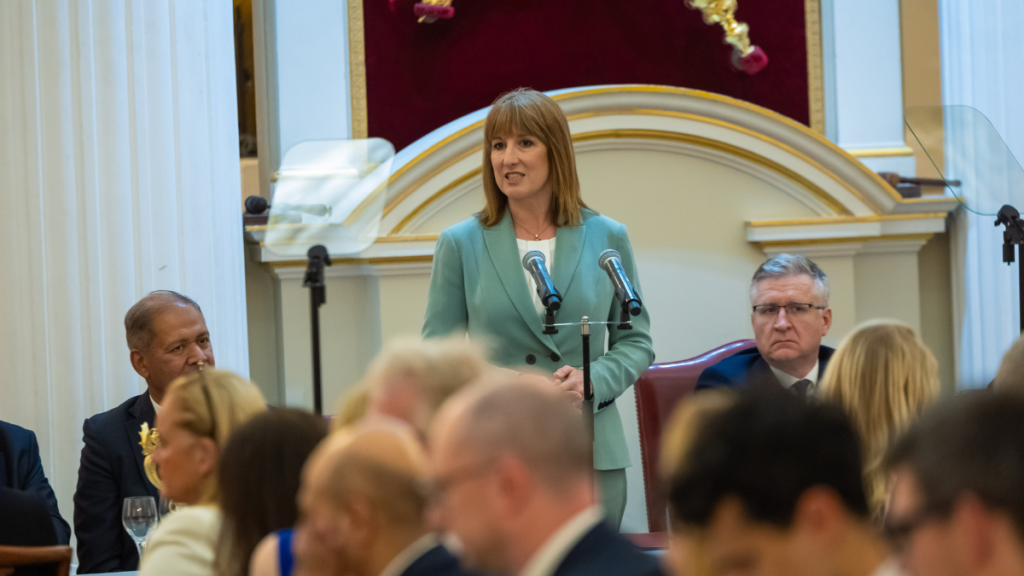
According to the FT, Bailey personally intervened to cancel the proposed meeting out of concern that regulatory processes must remain insulated from political influence. Reeves, by contrast, has championed a pro-growth stance across her financial services portfolio.
In her Mansion House speech earlier this month, she accused some regulators of placing “a boot on the neck” of business – a comment that, per the FT, left Bailey “really pissed off,” despite official assurances that relations remain “strong and productive.”
Speaking to MPs, Bailey distanced himself from Reeves’ rhetoric, insisting: “I don’t use those terms… we can’t compromise on basic financial stability.”
High stakes for City competitiveness
The dispute arrives at a critical juncture for London’s financial ambitions. Revolut, recently valued at $65 billion, is reportedly weighing a New York IPO, frustrated by the UK’s regulatory inertia. Reeves, according to The Guardian, is eager to convince the fintech to reconsider and help reverse the City’s drought in major tech listings.
But her interventionist approach appears to be testing the limits of the UK’s much-vaunted principle of regulatory independence. One person familiar with the BoE’s thinking told the FT the central bank was wary of setting a precedent where ministers appear to fast-track decisions that should remain technocratic.
Revolut’s uphill climb continues
For Revolut, the drawn-out authorisation process has been both commercially and reputationally costly. The PRA’s hesitations are linked to historical governance and audit concerns, including aggressive culture allegations and compliance missteps in overseas markets.
The company says it has worked to address those issues, and told City AM it is “progressing through the final stages of mobilisation” — a process it describes as the “largest and most complex” of its kind in UK history.
Still, without full authorisation, Revolut cannot offer key products like loans and mortgages under its own brand, restricting its domestic banking ambitions while rival digital banks forge ahead.