Investors in the US could soon be able to trade regulated tokenised equivalents of public stocks.
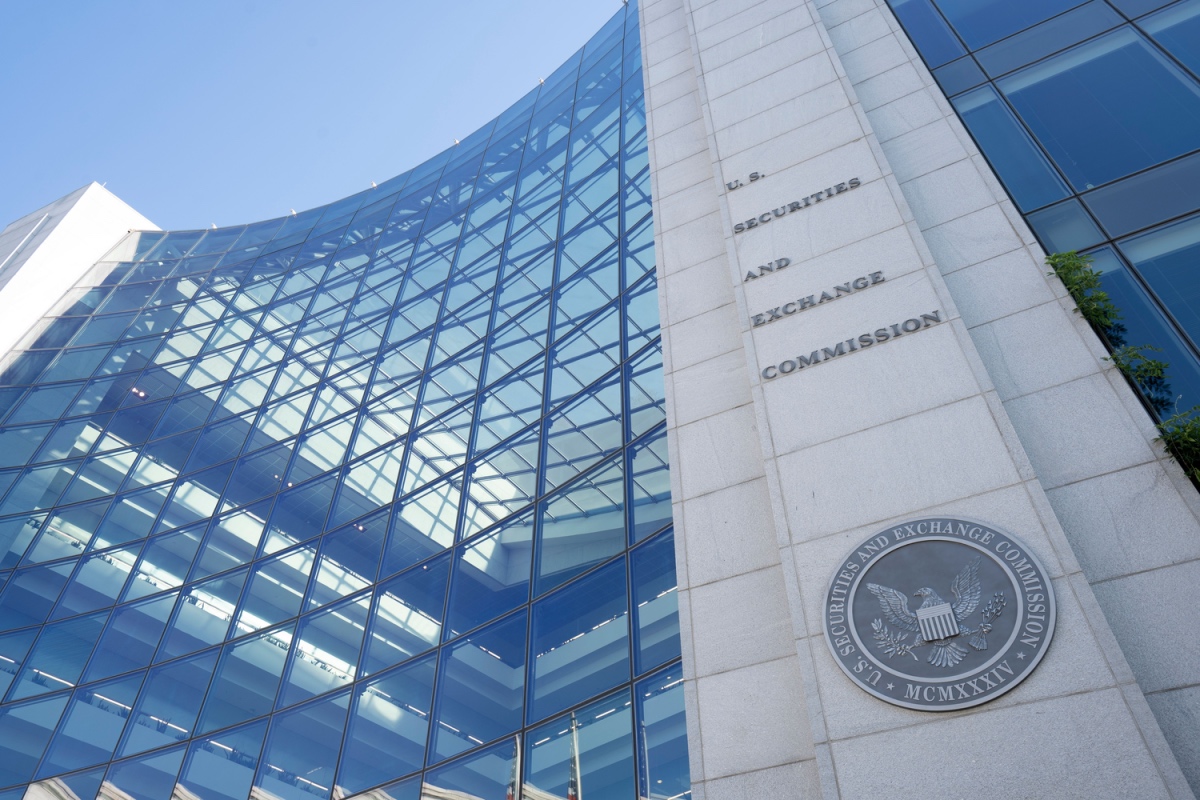
The US Securities and Exchange Commission (SEC) is reportedly on the cusp of introducing a framework to support the regulated trading of tokenised public stocks.
According to Bloomberg, the proposal, described as an “innovation exemption,” could be launched in the coming days.

The exemption would create a pathway for trading platforms to list digital versions of traditional equities without being forced into the full compliance obligations applied to national securities exchanges.
These reports follow comments earlier this month from SEC Chair Paul Atkins, who said the agency was considering new rules to accommodate on‑chain trading and settlement systems.
Atkins said existing rules were written for markets where exchanges, clearing houses and settlement systems operate separately, a structure that doesn’t translate onto blockchain protocols.
How blockchain changes the plumbing
Tokenised stocks are blockchain‑based representations of equities that can be traded, offering advantages over traditional shares such as faster settlement times, lower operational risk and improved access.
Early pilots have shown that blockchain‑based settlement can speed up processes which normally take two days into minutes or seconds. These tests highlighted how on‑chain systems can remove reconciliation steps and reduce counterparty exposure, two of the most expensive steps.
InvestaX, a Singapore‑based digital assets platform specialising in tokenised securities, has been one of the biggest advocates for this transition.
In a blog post, CEO and Co‑founder Julian Kwan wrote that one of the most overlooked advantages of tokenisation is the ability to structure shares or units in smaller denominations. He noted Kraken as an example, which claims to offer tokenised stocks with minimum investments starting as little as $1. This is a huge change from traditional equity markets, where minimum lot sizes and brokerage requirements usually prevent this kind of access.
However, there are concerns tokenisation could fragment liquidity if assets are traded across multiple blockchain networks.
Forcing the SEC into action
The US is usually ahead when it comes to financial regulation, particularly around crypto and digital assets, but in this case it is playing catch‑up. Europe and Hong Kong have launched frameworks for tokenised securities.
However, the US taking longer is consistent with its regulatory strategy of letting the market show the way and then building rules around what already works.
The Depository Trust & Clearing Corporation (DTCC), which processes and safeguards the majority of US securities transactions, has set out plans to begin limited production trades of tokenised assets in July.
There is also a wider rollout scheduled for October, which will allow tokenised versions of stocks and ETFs backed by assets already held within DTCC’s infrastructure.
Nasdaq is developing a framework for companies to issue blockchain‑based shares while preserving traditional ownership rights, which the regulator approved in March.
Intercontinental Exchange, the parent company of the New York Stock Exchange, has also announced plans to expand into tokenised stocks and crypto‑linked products through a partnership with crypto exchange OKX.
Atkins has acknowledged these developments, saying the SEC’s job is to provide clarity rather than rely on enforcement actions to shape the market.