FinCEN warned institutions on Chinese networks laundering cartel cash and issued new SAR guidance and typologies
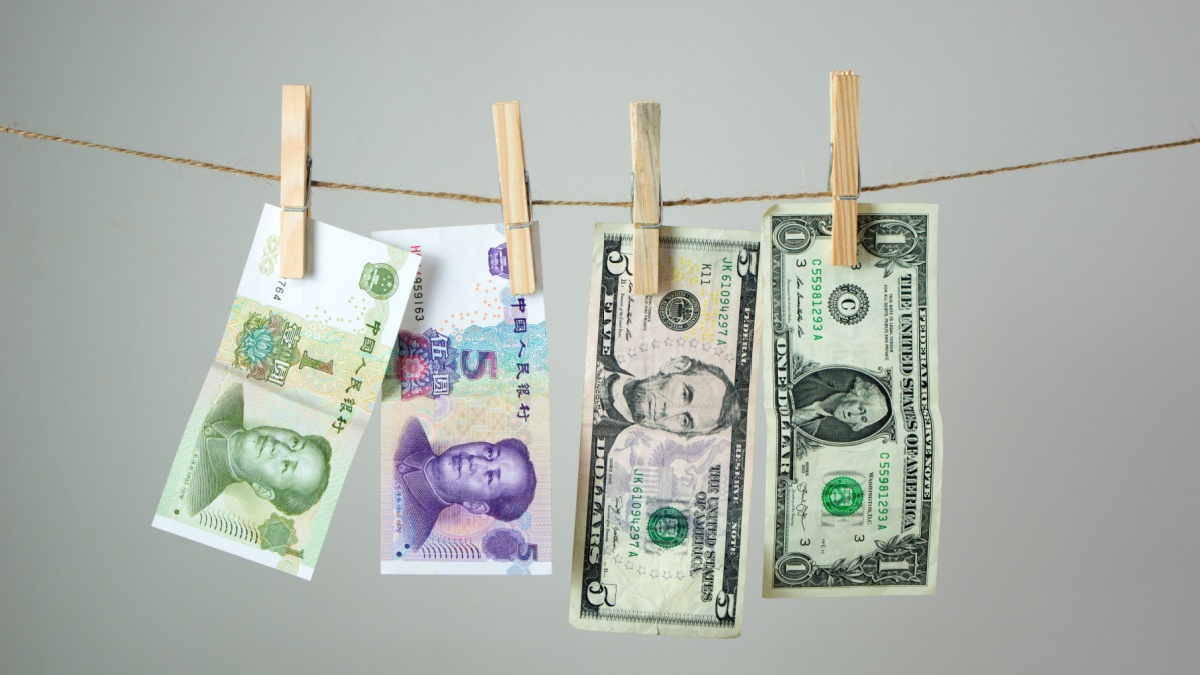
The US Treasury’s Financial Crimes Enforcement Network (FinCEN) has issued an advisory alongside a Financial Trend Analysis (FTA) warning that Chinese money laundering networks (CMLNs) are moving cartel proceeds through the US financial system.
The package sets out new red-flags, subject access request (SAR) instructions and typologies relevant to banks, payment service providers (PSPs), money service businesses (MSBs), crypto ramps and card networks.
FinCEN’s review of Bank Secrecy Act data identified 137,153 filings tied to suspected CMLN activity between January 2020 and December 2024, covering about $312 billion in suspicious transactions.
Depository institutions filed 85% of reports, with MSBs second at 9%. Median suspicious amount was about $86,000 per filing.
What’s new for SARs and red-flags
FinCEN asks filers to include the keyword “CMLN-2025-A003” in SAR field 2 and in the narrative, and to tick 38(n) (informal value transfer systems), 38(s) (unlicensed or unregistered MSB) and 36(l) (TBML/BMPE), as applicable.
The advisory highlights indicators such as onboarding with counterfeit PRC passports; customers reporting occupations like student, housewife or retired but exhibiting unexplained wealth; smurfed cash deposits; cashier’s checks to real-estate counterparties; and rapid P2P/wire activity followed by card payments.
FinCEN stresses that no single flag is determinative.
Typologies to tune for in payments
Within their report, FinCEN notes criminals use “mirror” swaps so money never visibly crosses a border. Someone in the US pays out dollars, and a partner in China pays the equivalent locally, so no international wire shows up.
Crypto can makes this easier: buy a coin or stablecoin in one place, move it quickly, cash out in the other.
They also clean money through trade. They buy easy-to-resell items like phones or luxury bags with illicit funds, ship them abroad via personal-shopping or grey-market export networks, sell them, and the proceeds look like normal retail income.
For payments firms, the risk shows up in certain sectors. Shipping and logistics, industrial supplies, food wholesalers, technology and luxury retail appear often. Acquirers should tighten merchant grouping and anomaly checks in these areas—compare merchants to true peers, watch for unusual export routes, odd refund patterns, and settlement flows that do not match underlying sales.
Mapping to acquirer/issuer and crypto risk controls
FinCEN’s typologies point acquirers and processors toward merchant segments which are often used in trade-based money laundering, especially electronics, luxury goods and logistics.
The practical takeaway is to tighten merchant risk segmentation and compare each merchant’s income and refund patterns to its peer group. Sudden revenue spikes, settlement inflows that are out of line with authorisation volumes, or a reliance on third-party P2P and wire top-ups with vague or recycled purposes should trigger enhanced review.
Issuers are also being advised to focus on sequence detection at the account level. The pattern FinCEN highlights is many small credits from unrelated P2P or wire senders followed by larger card purchases, gift card buys or cashier’s checks payable to real-estate or escrow counterparties. That sequence merits case creation even if each individual credit is below threshold.
FinCEN advises issuers to enrich their models with onboarding signals, so occupations such as student, retired or homemaker can be considered alongside unusually high inbound velocity, and step up documentary checks where identity anomalies appear.
For MSBs and P2P operators the core risk is structured outward transfers that help customers evade capital controls. FinCEN says to watch for rapid churn across remittance, money order and domestic transfer products, frequent use of generic reasons like “tuition” or “living expenses,” and rings of accounts that pass value among themselves before funds exit to cash agents or exporters.
FinCEN also notes crypto on- and off-ramps should tune for mirror-style value exchange. According to the agency, the hallmark is fiat cash-in at a bank or MSB, a quick purchase of crypto, and near-immediate liquidation or transfer that settles a third party’s need for US dollars without any visible cross-border wire.
The inverse flow also occurs, with crypto received from OTC brokers and rapid conversion to fiat that is withdrawn or forwarded to electronics or luxury-goods merchants.
FinCEN’s full statement can be found here: https://www.fincen.gov/news/news-releases/fincen-issues-advisory-and-financial-trend-analysis-chinese-money-laundering